Physical Address
304 North Cardinal St.
Dorchester Center, MA 02124
Physical Address
304 North Cardinal St.
Dorchester Center, MA 02124

Discover ancient Roman mining with a guided tour of the Lapis Specularis mines in Huete, Spain. Explore archaeological galleries, see Roman marks, and learn about the first crystal in history for just $6.
Exploring ancient Roman mines might not be on everyone’s travel list, but if you’re curious about how ancient civilizations extracted valuable materials, this tour in Huete, Spain, offers a surprisingly captivating glimpse behind the scenes of Roman ingenuity. For just $6, a 30-minute guided journey through the Sanabrio Cave provides a fascinating mix of history, archaeology, and a touch of mystery as you walk through galleries that have withstood the test of time.
One of the standout features of this experience is the chance to explore the first crystal in history — lapis specularis — and see for yourself what made this mineral so prized in Roman construction and decoration. The guide, an archaeologist, brings clarity and context to the site, making the visit both educational and engaging. A minor consideration is that the tour involves walking through ancient, sometimes narrow galleries, which might not suit travelers with claustrophobia or mobility issues.
This tour is best suited for those interested in history, archaeology, or unique underground experiences. It’s also a great option for budget travelers who want an authentic and meaningful activity without breaking the bank. If you love uncovering stories of ancient civilizations or enjoy walking through underground sites, this excursion promises plenty of memorable moments.
Starting at the entrance to the Sanabrio Cave, the guide will meet you in front of the mine. After a brief walk of about 300 meters from the parking area along a gravel path, you’ll begin your immersive journey into Roman history. This walk is straightforward but worth noting if you prefer to avoid uneven terrain or have mobility concerns.
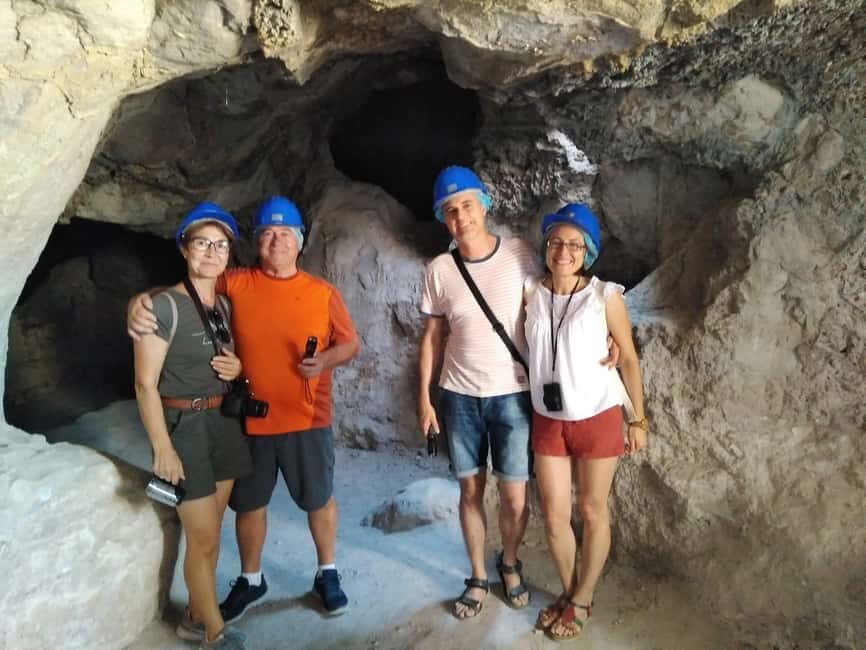
Once inside, your guide, who is an archaeologist, will lead you through two main areas: the Cave of the Knives and another gallery system. Both are relatively accessible but involve walking through ancient galleries that have remained remarkably well-preserved. You’ll be equipped with a helmet and flashlight, both included, which add a touch of authentic exploration to the experience.
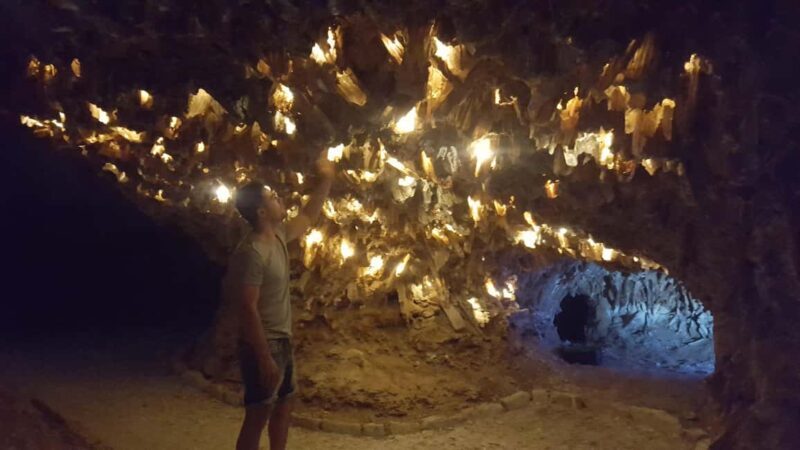
The Cave of the Knives offers a magical ambiance thanks to its unique lighting, which accentuates the crystalline qualities of lapis specularis. You can expect to see the marks left by Roman miners’ picks—small but telling details that reveal how labor-intensive this extraction was. The other gallery demonstrates Roman mining techniques, with converging galleries culminating in a central space, giving an idea of how Romans organized their mining activity.
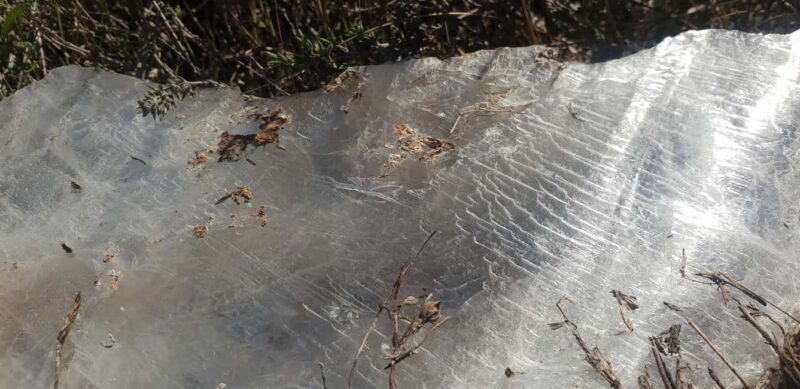
Lapis specularis was highly valued as a transparent mineral used in windows and decorative applications. Its importance in Roman times is evident in the extensive mining activity in the provinces of Cuenca, particularly around Huete. This mineral’s unique crystalline structure made it the first crystal in history, and its extraction supported the growth of cities like Segobriga, Ercávica, and Huete.
Your guide will explain how the Roman Empire harnessed this mineral and what the mining process involved. You’ll learn that these mines might be some of the largest and best-preserved ancient Roman mining complexes in the world. The fact that they’ve survived for over two thousand years adds a sense of awe and connection to the past.
This touring experience isn’t just about walking through underground galleries. It’s also an opportunity to understand the economic and social context of Roman Hispania. The work of thousands of miners, who exploited this resource for about two centuries, helped sustain Roman cities and infrastructure. Visitors can appreciate how such labor-intensive activities contributed to the grandeur of Roman civilization.
Having a guide with archaeological expertise means you won’t just be staring at dark galleries—you’ll be learning about the techniques, tools, and architectural solutions Roman miners used. Multiple reviews highlight how knowledgeable and passionate guides make the experience more engaging. They also clarify the significance of the marks on the walls and the lighting remnants, transforming a simple walk into a meaningful history lesson.
One of the most memorable moments is the lighting in the Cave of the Knives. The natural and artificial illumination lends the mineral an almost magical glow, heightening the sense of stepping back into Roman times. The marks left by picks and the architecture of the galleries showcase Roman engineering skills and give real insight into historical mining methods.
Another highlight is the chance to see the extraction systems and gallery designs—these reveal how Roman miners organized their work and moved through the underground labyrinth. The remains of ancient lighting fixtures and the pick marks serve as tangible links to the past.
The tour’s value for money is undeniable, especially when considering the knowledge shared by the archaeologist guide. The access to well-preserved galleries and the opportunity to walk through Roman mining sites is rare and authentic. The inclusion of safety gear like helmets and flashlights adds a fun, immersive element.
However, the tour’s brief duration might leave some wanting more detail or longer exploration time. Also, since the site involves walking through underground galleries, it’s not suitable for everyone—those with claustrophobia or mobility issues should consider this before booking.
This tour is ideal for history buffs, archaeology enthusiasts, or anyone interested in Roman engineering and mining techniques. It’s also great for budget travelers looking for a meaningful activity without spending much. If you enjoy underground adventures or want to learn about the first crystal in history, this experience delivers both education and authenticity.
It’s best suited for those comfortable walking through archaeological sites and wearing helmets. Since it’s a short, guided experience, it’s perfect as part of a broader day exploring Huete and the surrounding region.
The Roman Lapis Specularis Mines tour in Huete offers an accessible, affordable window into ancient mining and Roman innovation. With a knowledgeable archaeologist guiding you through galleries that have withstood centuries, you’ll gain insights into a key resource that supported Roman architecture and city growth. The site’s preservation and the enchanting lighting at the Cave of the Knives give this experience a special atmosphere.
For travelers who love history, underground sites, or archaeology, this activity balances educational value with a touch of adventure. Its short duration and low price make it a practical choice, especially for those wanting to add an authentic, off-the-beaten-path experience to their trip.
Overall, it’s an authentic, insightful tour that makes Roman history feel surprisingly tangible and accessible—worthy of inclusion for history lovers and curious explorers alike.
Is transportation to the site included? No, transportation is not included. You will need to arrange your own way to reach the site and then walk about 300 meters from the parking area to the entrance.
How long is the tour? The guided tour lasts approximately 30 minutes, making it a quick but meaningful activity.
What is included in the price? Your ticket, a guided tour led by an archaeologist, and safety equipment such as a helmet and flashlight are included.
Are the mines accessible for everyone? Two of the mines are accessible for the general public, but walking through ancient galleries requires caution. Those with claustrophobia or mobility concerns should consider this.
What should I bring? Comfortable shoes are recommended, as you’ll be walking through underground galleries.
Can I cancel the tour? Yes, free cancellation is available if you cancel at least 24 hours in advance for a full refund.
What language is the tour conducted in? The guide speaks Spanish, so some knowledge of the language will enhance your experience.
Is this tour suitable for children? While the tour is short, the underground environment might not be suitable for very young children or those sensitive to confined spaces.
What is the significance of lapis specularis? It was the first crystal in history and was highly valued by Romans for windows and decoration, supporting the growth of Roman cities and architecture.
If you’re curious about Roman engineering, enjoy underground adventures, or want a uniquely affordable activity in Huete, this tour offers a memorable peek into ancient mining that’s both educational and fun.