Physical Address
304 North Cardinal St.
Dorchester Center, MA 02124
Physical Address
304 North Cardinal St.
Dorchester Center, MA 02124

Discover the breathtaking views, Sherpa hospitality, and challenging terrains of the 13-day Everest Base Camp trek, perfect for adventure seekers and mountaineering enthusiasts.
Planning a trek to Everest Base Camp? This 13-day adventure through Nepal’s stunning Himalayan landscapes promises unforgettable mountain views, vibrant Sherpa culture, and a true sense of accomplishment. While it’s considered a challenging trek—both physically and mentally—it’s packed with spectacular scenery and authentic local experiences that make every step worthwhile.
One aspect we really appreciate is the experience of climbing Kalapathar early in the morning, which offers what many describe as some of the most breathtaking views of Everest. The trek also stands out for its well-organized itinerary, experienced guides, and the warmth of Nepalese hospitality in Sherpa villages. On the flip side, potential trekkers should consider the physical demands and the necessity for decent fitness levels, as the altitude and terrain can be tough.
This tour suits those craving adventure, natural beauty, and culture. Whether you’re a seasoned trekker or a first-time high-altitude hiker willing to push your limits, this journey is a reward in itself.
Outdoor enthusiasts can explore more Kathmandu trails with these hiking options
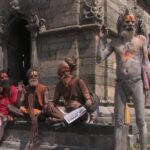
Your adventure begins in the bustling streets of Kathmandu’s Thamel district, where our representative picks you up and takes you into Nepal’s vibrant capital. The initial days are about acclimatizing to the local atmosphere, but they also include a fascinating exploration of Kathmandu’s UNESCO World Heritage sites—Kathmandu Durbar Square, Pashupatinath Temple, Boudhanath Stupa, and the Monkey Temple. These sites provide insight into Nepal’s spiritual and architectural richness, giving you a cultural primer before heading into the mountains.
The evening walk with your guide is a relaxed way to meet fellow travelers, often making the upcoming days feel more manageable. The briefing at Trek Around Himalayas’ office helps clarify what’s ahead, from altitude to logistics, and offers a chance to ask questions.
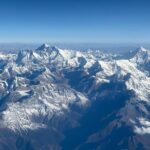
Flying from Kathmandu to Lukla is a highlight in itself. The small aircraft offers sweeping views of the Himalayas—an exhilarating start to the trek. As some reviewers noted, the flight exposes you to Nepal’s towering mountains, including glimpses of the Himalaya range on the north. The tiny airport at Lukla is considered one of the world’s most adventurous landing strips, adding to the thrill.
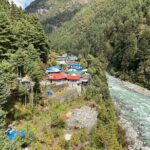
The trek kicks off from Lukla, following the Dudhkoshi River along suspension bridges and through lush pine forests. Expect your first glimpse of Everest in the distance en route to Namche Bazaar, the heart of Sherpa culture. The 5-hour trek is manageable but involves crossing multiple bridges and gaining some altitude. Reviewers mention the “beautiful pine forests” and the chance to see the first views of Everest and Lhotse; these moments are why many undertake this challenge.
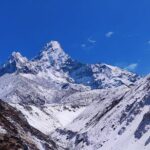
The stay in Namche Bazaar is key for acclimatization and soaking up Sherpa culture. One reviewer praised Ganesh, their guide, for his hospitality and the lodge accommodations, emphasizing their cleanliness and warmth. During this stop, you’ll have the opportunity to explore the village, visit the local markets, and enjoy views of Everest, Nuptse, and Ama Dablam.
Next, the route takes you through rhododendron forests to Tengboche, home to a famous monastery. This stop is more than just a photo opportunity—it’s an active spiritual center, with monks often seen in prayer. The views of Everest and Ama Dablam from Tengboche are spectacular, and many trekkers remark that the monastery’s peaceful atmosphere is one of the trip’s highlights.
From Tengboche, the trail descends into valleys of birch and rhododendron, crossing Imja River, and climbing up past Pangboche to Dingboche. This section features stunning landscapes, with reviews noting the increasing grandeur of mountain views. Dingboche is another key acclimatization spot, where trekkers often enjoy a walk around town while gazing at peaks like Lhotse and Nuptse.
As the journey progresses, you’ll trek past Dughla and Chupki Lhara, walking along the moraine of the Khumbu Glacier. The terrain becomes more rocky and rugged, with the towering mountains providing an awe-inspiring backdrop. Reviewers mention the “tall and bold mountains” around Lobuche, emphasizing the dramatic scenery.
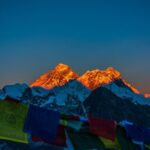
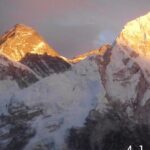
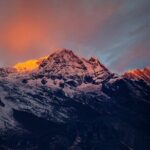
One of the most memorable days is the ascent to Kala Patthar at 5550 meters—an early morning climb that offers a close-up view of Everest. The air is thin, and the climb can be strenuous, but the panoramic vistas of Everest, Nuptse, and the surrounding peaks blow many away. Travelers describe this as the “highlight” and often say the effort is worth every breathless moment.
The trek’s climax is arriving at Everest Base Camp, the starting point for mountaineers aiming for the summit. Walking across glaciers and moraine, you’ll be surrounded by the towering ice walls and the visual signs of Everest’s massive scale. Spending time here is a surreal experience, with many reviewers noting the emotional impact of standing on the world’s highest mountain’s foot.
The return journey passes through familiar villages like Dingboche and Tengboche, allowing you to reflect on the incredible vistas and adventures. The final days involve retracing your steps back to Lukla, with the sense of accomplishment growing with each step. The last night in Kathmandu offers a chance to celebrate your achievement and enjoy a farewell dinner, often filled with stories and shared laughter.
Our review highlights enthusiastic feedback from past trekkers. One reviewer praised the professionalism of guides like Ganesh, describing him as “awesome” and noting the lodge accommodations as “really good, clean, and very hospitable.” The breathtaking views are consistently mentioned, with one mentioning that the climb to Kalapathar “beats the EBC in my opinion,” emphasizing how stunning the scenery truly is.
Several trekkers also appreciated the support staff, including the porters who help carry gear, making the journey more manageable. The value for money at $1,000 per person, considering the domestic flights, permits, accommodations, and guided service, is generally viewed as fair, especially with the convenience of organized logistics and experienced guides.
The trek is physically demanding—long days, steep ascents, and high altitude. Reviewers recommend being in good physical shape and prepared for cold nights and variable weather. The included domestic flights are a highlight but can be affected by weather conditions, so flexibility is advised. The trip is suitable for travelers who are ready for an adventure but also want a well-organized, guided experience with knowledgeable staff.
In essence, this Everest Base Camp trek offers a well-rounded journey combining spectacular mountain vistas, culture, and a sense of achievement. The itinerary is thoughtfully crafted, balancing acclimatization with scenic highlights and memorable experiences like climbing Kalapathar. The support of expert guides and Sherpa staff ensures safety and comfort in challenging conditions.
This tour is perfect for those eager to push their limits while seeing Nepal’s natural beauty and Sherpa traditions. It’s especially suited for travelers who want a comprehensive, guided trek that covers all the key highlights without sacrificing comfort or organization.
If you’re after an authentic, breathtaking Himalayan adventure with the right balance of challenge and support, this trek is a compelling choice.
“Best agency for treking and other activities, bimal is very helpful and he assist you with everything you may need on the trek, and he is very flex…”
What is included in the tour price?
The $1,000 fee covers airport pickup and drop-off, domestic flights between Kathmandu and Lukla, accommodations in tea houses with private rooms during the trek, permits, guides, porters (two per trekker), and breakfast during the trek.
Are meals in Kathmandu included?
No, meals in Kathmandu are not included, but breakfast during the trek is. You will have opportunities to enjoy local cuisine at various points, and the trek provides chances to try authentic Nepalese dishes.
What safety measures are in place?
The trek includes experienced guides with government licenses, permits for Sagarmatha National Park, and organized logistics. The guides are knowledgeable about altitude sickness and safety protocols, but travelers should be in good physical shape.
How physically demanding is the trek?
The trek involves long days of walking, ascents, and high-altitude exposure, making it suitable for those in good physical condition. Reviewers emphasize the importance of fitness and preparation, especially for the climb to Kala Patthar.
Are the accommodations comfortable?
Yes, the trek features tea house accommodations with private rooms, praised for cleanliness and warmth. Some reviewers highlight the hospitality and quality of lodges on the route.
What is the best time to do the trek?
While the exact season is not specified, most Himalayan treks are best in spring (March to May) or autumn (September to November) for stable weather and clear views.
Are porters included, and what do they carry?
Yes, one porter is provided for every two trekkers, helping carry gear and making travel easier. Tips are customary but not included in the price.
Can I cancel the tour if needed?
Yes, the tour offers free cancellation up to 24 hours before the start, with full refunds. Cancellations closer to the start date may not be eligible for refunds.
What should I pack?
Bring layered clothing for day and night, sturdy trekking shoes, warm gear for higher altitudes, sunglasses, sunscreen, and personal essentials. Trekking equipment is not included, so prepare accordingly.
Is insurance necessary?
Travel and rescue insurance are not included, and it’s strongly recommended to have comprehensive coverage given the physical and altitude challenges.
This Everest Base Camp trek offers an eye-opening adventure filled with awe-inspiring mountains, Sherpa warmth, and the thrill of reaching one of the world’s most iconic destinations. It’s a journey that demands effort but rewards with memories that last a lifetime.