Physical Address
304 North Cardinal St.
Dorchester Center, MA 02124
Physical Address
304 North Cardinal St.
Dorchester Center, MA 02124

Explore 400 years of Danish Jewish history with a thoughtfully designed museum visit. Learn about resilience, culture, and history in Copenhagen.
Visiting the Danish Jewish Museum in Copenhagen offers more than just a chance to see artifacts; it’s an opportunity to understand a community that has thrived and survived through centuries of change, crisis, and resilience. Priced at around $16 per ticket and open year-round, this museum is a compelling stop for those interested in history, architecture, or cultural stories that go beyond the usual tourist checklist.
What makes this experience particularly memorable is the innovative architecture designed by Daniel Libeskind, which itself tells a story of hope and remembrance. The exhibitions are well-curated, offering a meaningful look into Jewish life in Denmark, especially during turbulent times like WWII. However, the museum’s focus on historical and cultural depth means it’s best suited for visitors with an interest in history or those wanting a more contemplative, emotionally charged experience. Casual visitors seeking quick sightseeing might find it less engaging if they’re not already inclined toward cultural history.
One potential consideration is that the museum does not include guided tours or transportation, so it’s best for visitors who prefer self-paced exploration or have arranged their own transport. Still, for those who appreciate paying a fair price for access to a thoughtfully curated space, the Danish Jewish Museum offers a rich, educational experience that is both inspiring and sobering.
This tour suits travelers looking for meaningful cultural stops, history buffs, and anyone eager to learn about Denmark’s Jewish community with easy, flexible access.
You might also be interested in these Copenhagen experiences
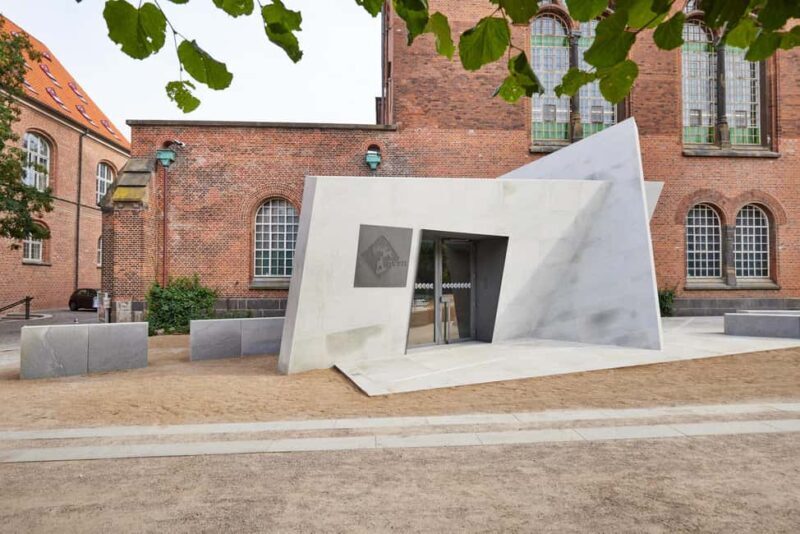
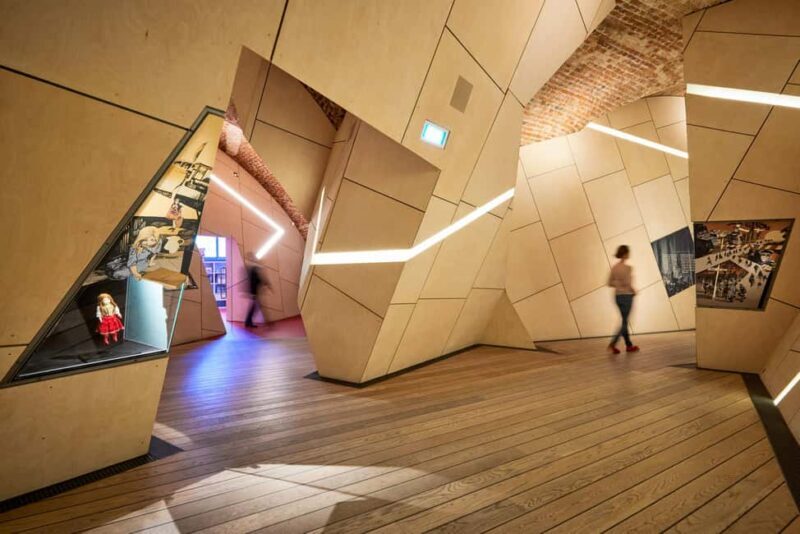
The moment you approach the Danish Jewish Museum, the first thing that captures your attention is its architecture. Libeskind’s design is a visual representation of hope and memory, with light wooden paneling on the walls that hints at the Nordic surroundings, creating a warm yet respectful environment. The sloping floors evoke the sensation of being at sea, subtly referencing Denmark’s maritime history.
The concept of Mitzvah (a Hebrew word meaning a good deed) is central to the layout, symbolizing the community’s resilience and acts of kindness—particularly during WWII when most Danish Jews fled to Sweden for safety. The architecture’s contrast between light and shadow serves as a metaphor for Denmark’s Jewish community’s resilience amid the darkness of the Holocaust.
This building is more than a container for exhibits; it is an experience that stirs emotion. Visitors have described it as “immediately stirring,” with some noting that the space’s physical design makes you feel connected to the stories inside.
The museum houses two main exhibitions: “Flight and Persecution in the 20th Century” and “The Gate to Denmark.”
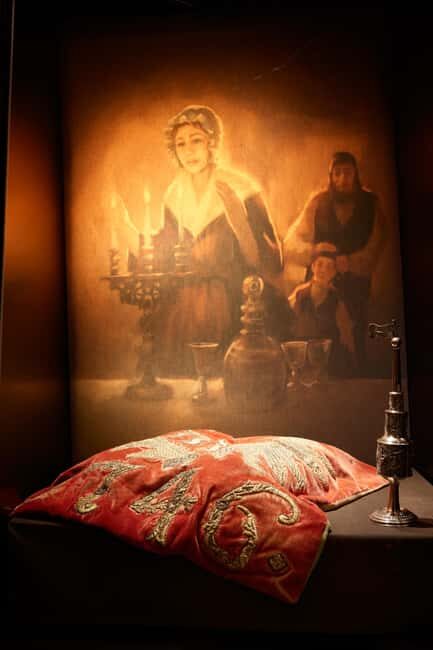
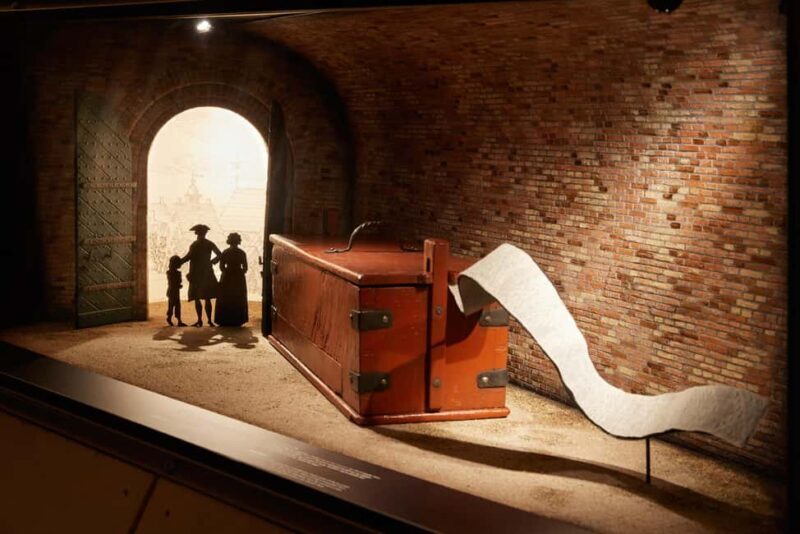
Flight and Persecution showcases objects brought to life through illustrations by Kristian Bay Kirk. It offers a sobering look at the challenges faced by Danish Jews from 1943 to 1945, highlighting acts of bravery and the community’s survival strategies. Visitors often comment on how the thoughtful selection of objects makes history feel tangible—one reviewer mentioned, “Seeing the artifacts made the stories real, not just words on a plaque.”
This exhibition extends into present times, acknowledging that antisemitism persists. Such honest storytelling encourages reflection on ongoing issues of hate and prejudice, making it relevant for contemporary visitors.
“The Gate to Denmark” traces the history of Jewish life in Denmark over 400 years. Developed with the Moesgaard Museum’s design team, this exhibit offers a rundown, from the community’s hotel in the 18th century to modern life. It’s an excellent starting point for anyone new to Danish Jewish history because it contextualizes the community’s resilience and adaptation through centuries.
The collection includes carefully selected objects—ritual items, photographs, personal stories—that bring the history alive. Visitors love the way these artifacts tell stories of everyday life, cultural traditions, and responses to persecution. The exhibits are designed to encourage emotional engagement, with some visitors saying they found themselves deeply moved.
While the museum does not offer guided tours, the self-guided experience is enriched by clear signage and detailed descriptions. Reviewers recommend taking your time to absorb each piece, as quick browsing might cause you to miss the depth of the stories told.
More Great Tours NearbyThe Danish Jewish Museum is wheelchair accessible, making it inclusive for all visitors. You can reserve your ticket up to 365 days in advance, providing flexibility for planning your visit around other Copenhagen sights. The ticket price of $16 is quite reasonable considering the quality of the exhibitions and the architecture, especially when compared to similar cultural institutions.
However, note that transportation to the museum is not included, so travelers should plan accordingly. The museum is located in a central part of Copenhagen, so public transport or walking can easily get you there.
Culture seekers can explore more Copenhagen museums and galleries
Most reviews highlight the peaceful, contemplative atmosphere inside the museum. Visitors appreciate the opportunity to reflect on a community’s history that is often less highlighted in mainstream narratives. The architecture and exhibitions work together to create a space that feels both respectful and inspiring.
Some reviewers mention that the experience is somewhat emotional—an acknowledgment of the suffering endured, but also of hope and resilience. The design and storytelling make it a meaningful stop, especially for those interested in understanding how history shapes present identity.
This museum is ideal for history enthusiasts, cultural explorers, and those interested in Jewish heritage. It’s particularly suited for travelers who enjoy architectural marvels and want a deeper understanding of Denmark’s Jewish community. The ticket offers great value, especially for those looking for a reflective, educational experience rather than just sightseeing.
It’s also a meaningful stop for families with older children who can appreciate the historical context or for anyone seeking a more personal connection to the stories of survival and cultural continuity.
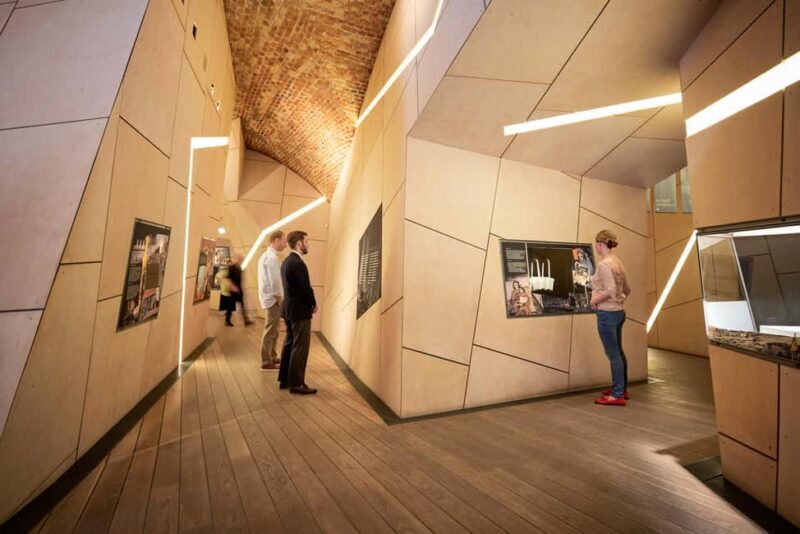
The Danish Jewish Museum offers a unique combination of stunning architecture, thoughtful exhibitions, and powerful storytelling. Its design by Daniel Libeskind is both a tribute and a symbol of resilience, making it a must-visit for those interested in history and culture. The manageable price and flexible ticket validity allow visitors to explore at their own pace, making it a practical and enriching addition to any Copenhagen itinerary.
While it may not be the most lively or interactive museum, the depth of content and emotional weight make it stand out. For travelers seeking authenticity, insight, and a chance to reflect on the importance of tolerance and remembrance, this museum delivers in spades.
In short, this experience is best for those with a curiosity about history, a respect for cultural stories, and a desire for meaningful travel moments. It’s a testament to the power of community and the importance of remembering history’s lessons, making your visit both educational and inspiring.
“Very informative exhibition, museum is small and visit should take you about 1 hour. I would recommend you visit this museum if you wish to learn a…”
How much does a ticket cost?
The ticket is $16 per person, offering good value given the quality of exhibits and architecture.
Is the museum open all year?
Yes, the Danish Jewish Museum is open 365 days a year, allowing flexible planning.
Can I visit the museum with a wheelchair?
Yes, the museum is wheelchair accessible, making it inclusive for all visitors.
Do I need a guided tour?
No, guided tours are not included or mandatory. The exhibits are designed for self-guided exploration, with clear signage.
Are transportation options included?
No, transportation is not included. You’ll need to plan your own way to get there, though it’s centrally located in Copenhagen.
How long should I plan to spend?
Visitors typically spend around 1-2 hours exploring the exhibits at a comfortable pace.
What are the main exhibitions?
The main exhibitions are “Flight and Persecution in the 20th Century” and “The Gate to Denmark,” both offering historical insights.
Is it suitable for children?
While not specifically aimed at children, older kids with an interest in history should find it engaging.
What is the significance of the architecture?
Designed by Daniel Libeskind, the architecture symbolizes light and hope amidst darkness, reflecting the community’s resilience.
Can I buy tickets on the day of my visit?
Yes, tickets can be purchased on-site or booked in advance online for convenience and flexibility.
This detailed review aims to equip you with all the practical and contextual information needed to decide if visiting the Danish Jewish Museum fits your Copenhagen plans. Whether you’re seeking a quiet moment of reflection or a deeper understanding of Danish history, this museum offers a compelling, authentic experience.
You can check availability for your dates here: