Physical Address
304 North Cardinal St.
Dorchester Center, MA 02124
Physical Address
304 North Cardinal St.
Dorchester Center, MA 02124

Explore Iceland’s first dedicated beluga whale sanctuary, learn about marine conservation, and see puffins, but expect limited viewing areas and small spaces.
Travelers curious about Iceland’s unique marine life and conservation efforts will find the Beluga Whale Sanctuary in Vestmannaeyjar an intriguing visit. This site is notable as the world’s first sanctuary dedicated specifically to beluga whales, offering a combination of education, wildlife protection, and a glimpse into local marine biodiversity. For those interested in supporting marine conservation or simply wanting to see these gentle creatures, it promises a meaningful experience—though it comes with some caveats.
One aspect we particularly like about this sanctuary is its dedication to both beluga rehabilitation and puffin rescue efforts. It’s a place that emphasizes education and sustainability, making your visit more than just a tourist photo op. However, some visitors express disappointment about the small viewing areas and limited access, which might impact the overall enjoyment if expectations aren’t managed.
This tour suits travelers who value supporting conservation, are happy to learn through displays and stories, and are comfortable with a relatively short, one-day outing. If you’re expecting a large-scale zoo-like experience, you might find the reality a bit underwhelming, but if you value authentic, purpose-driven visits, this could be a worthwhile addition to your Iceland itinerary.
The Beluga Whale Sanctuary in Vestmannaeyjar offers a unique window into Iceland’s commitment to marine life. The core of this experience is the chance to see Little White and Little Grey, the two beluga whales that are cared for at the centre. Unlike large aquariums, this sanctuary is designed as a conservation facility, which means the environment is focused more on rehabilitation and education rather than entertainment.
Your visit begins at the Visitor Centre, where you’ll learn about the belugas’ journey and their new home in Iceland. The displays are crafted to tell the story of the sanctuary’s mission, highlighting ongoing conservation efforts. Visitors often find this part of the experience particularly meaningful, as it provides context about the importance of protecting these gentle whales and the challenges they face in the wild.
The actual viewing area for the whales is quite compact. Reviewers note that the window is small, making it sometimes difficult to get a clear look at the belugas, especially during busy periods. One visitor lamented, “the window was so small you could barely get a good look,” which underscores the limitations of the space. This can be frustrating, especially if you’re hoping for close-up photos or extended viewing.
Some reviewers also mention that the area feels cramped, with crowds pushing forward for a better glimpse. While the sanctuary’s small size is likely due to its focus on care and rehabilitation rather than display, it’s worth setting realistic expectations before visiting.
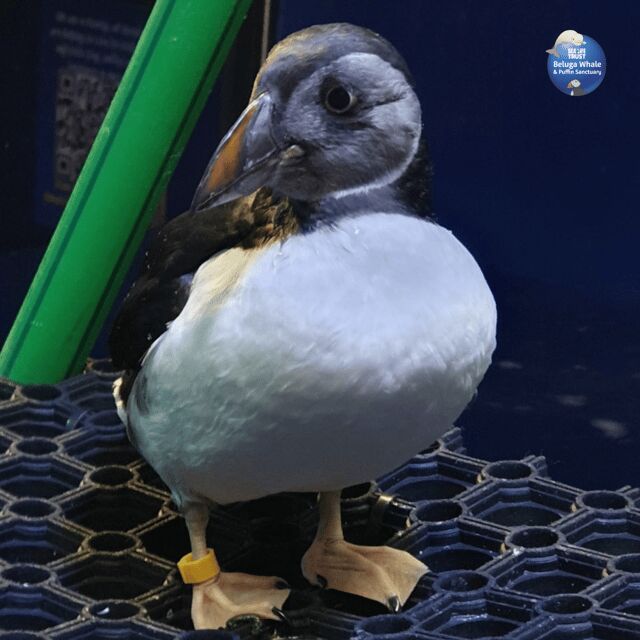
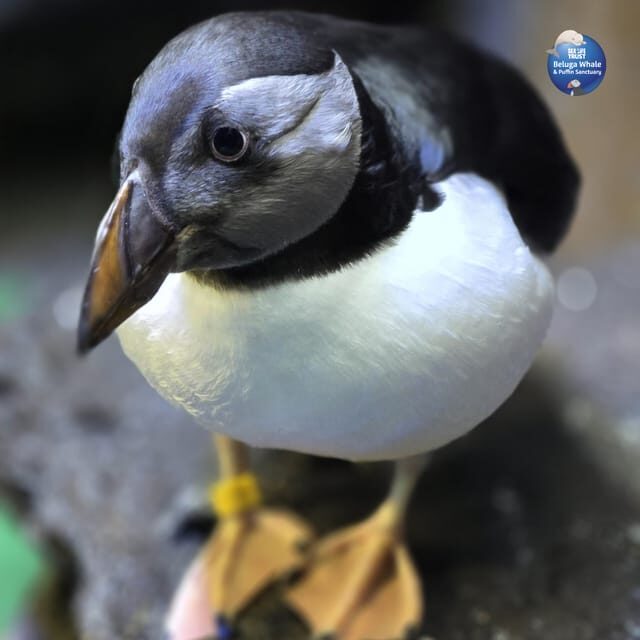
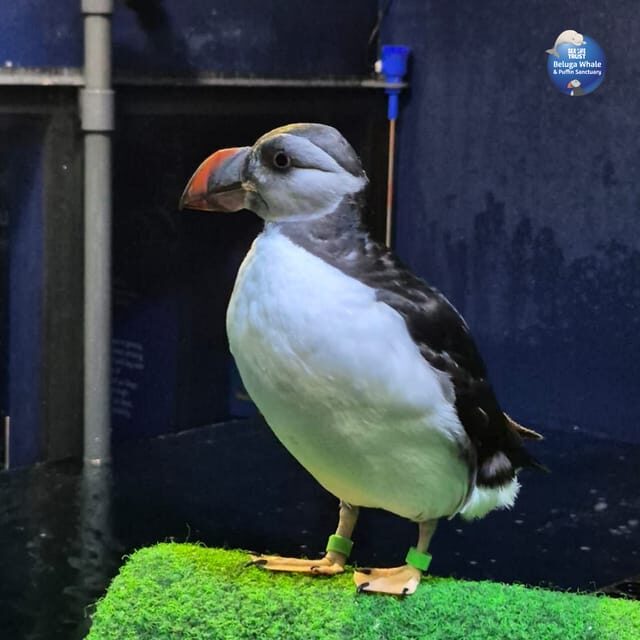
Beyond the belugas, the sanctuary features Iceland’s only Puffin Rescue Centre, where injured or non-releasable puffins are cared for and rehabilitated. Visitors get the chance to observe these adorable seabirds behind glass, gaining insight into local efforts to protect native species. One reviewer appreciated that the puffin centre supports the rescue of injured and non-releasable seabirds, emphasizing its conservation value.
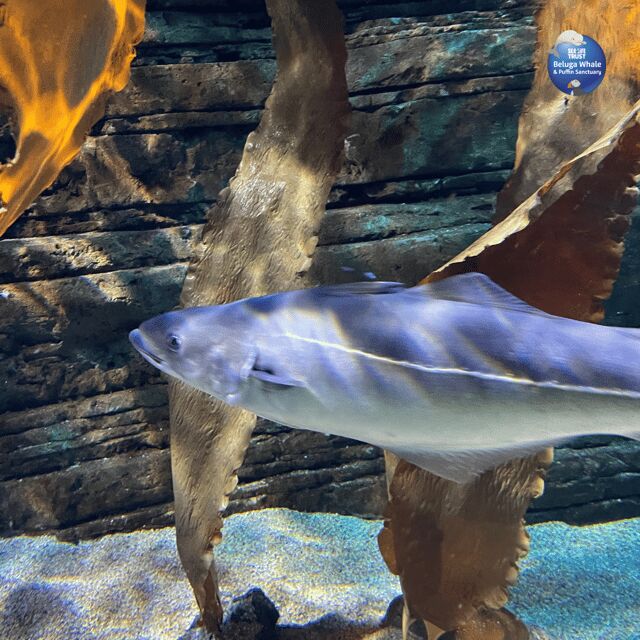
The Native Species Aquarium showcases other local marine life, providing a broader picture of Iceland’s rich marine biodiversity. This part of the visit is more relaxed, allowing time to observe various species that thrive in Iceland’s waters.
More Great Tours NearbyThe sanctuary’s mission extends beyond just viewing the animals. It’s about raising awareness and supporting marine conservation efforts. The displays and stories shared by staff or guides aim to educate visitors about the importance of protecting our oceans. The fact that all proceeds go directly to conservation work adds a layer of meaningfulness to your ticket.
One traveler from Iceland called the place “wonderful and inspiring,” emphasizing the storytelling aspect and the engaging staff. Conversely, some visitors from the US and the Netherlands expressed disappointment, citing the small size and limited visibility. “The space felt very small,” one review noted, “and the window was barely enough to see the belugas.” Another visitor described the experience as “not worth the money,” mainly due to the closure of the puffin section at the time of their visit.
This diversity of opinions highlights the importance of managing expectations; the sanctuary prioritizes conservation over spectacle. If you’re looking for a large-scale zoo experience, this might not be the best fit, but if you want to support marine preservation and learn about Iceland’s native species, it’s a worthy stop.
This sanctuary is perfect for eco-conscious travelers who want to support marine conservation while gaining education about Iceland’s native species. It’s well-suited for families with children, especially those interested in seabirds and whales, but be aware of the small viewing windows and limited space. If you’re someone who values meaningful, purpose-driven tourism over large crowds and high entertainment, you’ll appreciate the sanctuary’s focus.
For visitors with mobility concerns, the fact it’s wheelchair accessible makes it more inclusive. However, those expecting an extensive, immersive experience may find the site’s size and scope somewhat limited.
If you’re after a reasonably priced, educational visit that supports important conservation work, the Beluga Whale Sanctuary is a notable stop. It offers a chance to see beluga whales up close in a care-focused environment and learn about the efforts to protect Iceland’s native species. The experience might not thrill with vast viewing areas, but it provides a meaningful connection to marine life and environmental preservation.
Travelers who value supporting non-profit initiatives and learning through storytelling will find this a worthwhile addition to their Iceland itinerary. It’s especially suitable for those with a gentle curiosity about marine mammals and seabirds, and for anyone wanting their visit to have a positive environmental impact.
“The place is wonderful and inspiring, it was very nice to listen to the man who told me about the characters of the beavers, what they like and wha…”
Is the Beluga Whale Sanctuary suitable for children?
Yes, it can be suitable, especially as an educational experience about marine conservation and Iceland’s native species. Just keep in mind the small viewing areas and limited space.
How do I get to the sanctuary?
It’s located in Vestmannaeyjar, accessible by a 30-minute ferry ride from Seljalandsfoss. Check ferry schedules in advance to plan your visit.
Does the tour include a guided explanation?
There is a guided tour available every day at 2 PM, which can enhance your understanding of the sanctuary’s work.
What is included in the ticket price?
Your ticket grants entry to the sanctuary, access to educational displays, the Puffin Rescue Centre, and the native species aquarium.
Is the sanctuary wheelchair accessible?
Yes, it is wheelchair accessible, making it inclusive for visitors with mobility needs.
Is the experience worth $30?
For those interested in supporting conservation and learning about Iceland’s native marine species, it’s a reasonable price. However, expect limited viewing and small spaces.
What about the puffin rescue centre?
It’s Iceland’s only Puffin Rescue Centre, and visitors can observe injured puffins and learn about seabird conservation efforts.
Can I visit the sanctuary multiple times?
The ticket is generally for a single day visit, but check with the provider if multiple entries are possible or if you’re planning an extended stay in the area.
In summary, the Beluga Whale Sanctuary offers an authentic, conservation-focused experience that aligns with responsible travel values. While it won’t satisfy those seeking large viewing windows or extensive exhibits, it excels in its mission to educate and protect. For travelers eager to support marine efforts and engage with Iceland’s native wildlife, it’s a visit worth considering.
You can check availability for your dates here: