Physical Address
304 North Cardinal St.
Dorchester Center, MA 02124
Physical Address
304 North Cardinal St.
Dorchester Center, MA 02124

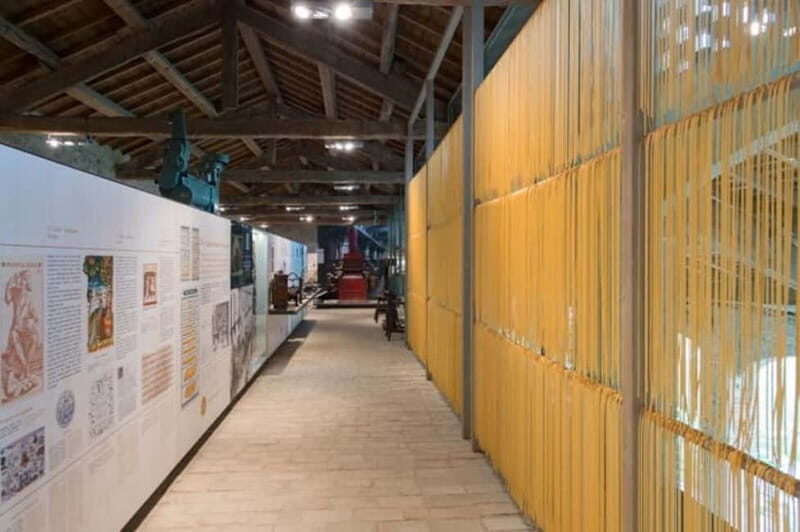
Discover Italy’s pasta origins at Parma's Museum of Pasta, featuring engaging exhibits, history-rich displays, and optional tastings for a flavorful day out.
Exploring Italy’s Pasta Heritage in Parma: A Detailed Review of the Museum of Pasta
Stepping into the Museum of Pasta in Parma offers a fascinating glimpse into one of Italy’s most beloved culinary icons. This museum isn’t just a showcase of dried noodles; it’s a journey through the history, technology, and culture that have shaped Italian pasta traditions. Designed for food lovers and history enthusiasts alike, the experience promises insightful exhibits, historical artifacts, and the chance to learn authentic recipes—plus an optional tasting to satisfy your curiosity and palate.
What we appreciate most about this museum is its well-organized layout, divided into ten sections, each telling a different part of the pasta story. From ancient wheat cultivation to modern industrial production, the museum covers the entire spectrum, making it a comprehensive stop for anyone interested in Italy’s culinary craftsmanship. A potential downside is that the location isn’t in the very heart of Parma city center—meaning some visitors might find it a bit off the beaten path, especially if they’re expecting a lively, centrally-located attraction. Still, for those willing to travel a short way, it’s a worthwhile cultural experience, especially for those eager to understand the roots of Italy’s most iconic dish.
This tour suits travelers who enjoy culinary history, want to deepen their appreciation for Italian cuisine, or are simply curious about how pasta is made—from field to fork. It’s especially good for families, food students, or anyone with a penchant for discovering authentic local traditions. The fact that the ticket is valid for a whole day also gives you flexibility to visit at your own pace, making it a relaxed yet educational outing.
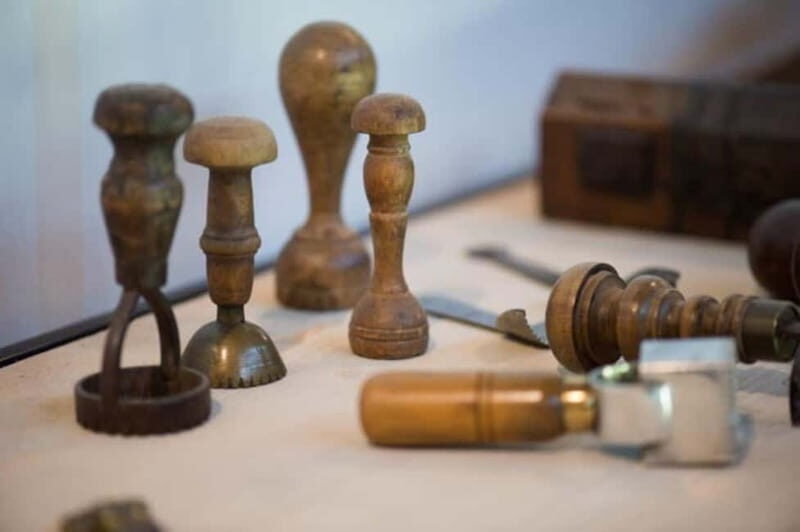
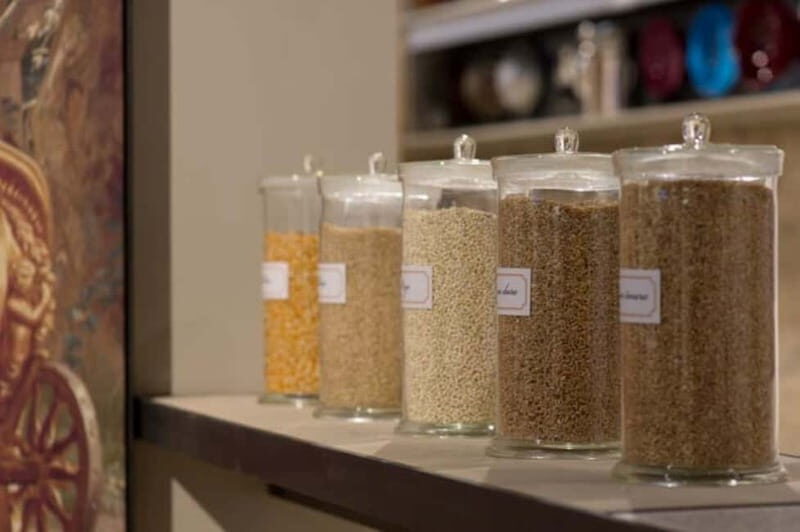
When you arrive at the Museum of Pasta, you’ll find a thoughtfully divided space that guides you through a chronological and thematic journey. The experience kicks off with the wheat section, where models, old tools, and records tell the story of wheat cultivation. Here, you’ll learn why wheat is so central to pasta—covering properties, cultivation methods, and historical agricultural practices. It’s a reminder that behind every strand of pasta is a crop that shaped entire civilizations.
Next, the museum explores the process of grinding, showcasing models, iconography, and even a reconstructed millstone. If you’ve ever wondered how wheat becomes flour, this part demystifies the transformation with tangible, visual aids. It’s a fascinating highlight, especially for those who enjoy seeing old and new technologies side by side.
One of the more engaging sections covers household equipment—think rolling pins, small tools, and traditional pasta-making utensils. It’s a nostalgic look at Italy’s local, handcrafted pasta traditions and emphasizes the pride Italians take in their fresh pasta. For anyone who has ever rolled dough or shaped noodles, this part feels relatable and authentic.
The museum then moves into industrial pasta production, illustrating the evolution from small artisan workshops to large-scale factories. You’ll see models of machinery from the 19th century and modern equipment used today. This provides a clear contrast and demonstrates how pasta production has become more efficient while maintaining quality standards. If you’re curious about the technological advances behind your favorite pasta brands, this section won’t disappoint.
Beyond the technical aspects, the museum offers insights into pasta promotion and art, with posters, playbills, and artwork depicting pasta’s role in Italian culture. It’s a reminder that pasta isn’t just food—it’s a symbol woven into Italy’s identity. The gastronomy segment details the history of pasta in cuisine, with information about regional varieties, traditional recipes, and pairing ideas with sauces and condiments.
There’s even a section dedicated to the Mediterranean diet, emphasizing pasta’s healthful attributes when enjoyed as part of a balanced diet. Visitors can see representations of pasta in paintings, stamps, and other cultural artifacts, highlighting its place in Italy’s artistic and social history.
More Great Tours NearbyFor an extra splash of flavor, you can opt to include a pasta tasting at the end of your visit. Although not included in the base ticket, this opportunity allows you to sample authentic pasta prepared in traditional styles, providing a delicious conclusion to your educational journey.
The ticketing process is straightforward, with a validity of one day, offering the flexibility to visit at your convenience. The museum is wheelchair accessible, making it inclusive for all visitors. We also note that comfortable shoes are recommended, as the exhibits are spread across various sections, and some displays involve walking or standing.
A common critique from a reviewer mentions that the museum is “weak and far from the city,” indicating that location might be a consideration if you prefer attractions closer to Parma’s city center. However, given the depth of the exhibits, many agree that the educational value outweighs the inconvenience of the location.
The standard entry fee offers good value, especially considering the comprehensive exhibits and the possibility of a self-paced visit. The option to add tasting at an extra cost makes it adaptable to different budgets and interests. For food lovers and those curious about the history behind their favorite pasta dishes, this museum offers a rich, hands-on experience.
Visiting the Museum of Pasta in Parma provides a well-rounded look at Italy’s most iconic culinary staple. You’ll leave with a deeper appreciation for all that goes into making pasta, from wheat fields to factory floors, and a few authentic recipes to try yourself. It’s a perfect stop for anyone interested in food history, Italian culture, or simply seeking a meaningful, educational way to spend part of a day in Parma.
While it might not be the flashiest attraction in the region, its focus on authentic craftsmanship, historical context, and cultural significance makes it a valuable experience. The optional tasting ensures that your visit isn’t just educational but also delicious.
If you’re traveling with family, love cooking, or are a history buff, this museum fits the bill. For those who want a quick, surface-level overview or are looking for a centrally located activity, you might find it less convenient. Still, for true pasta fans and curious minds, it’s a session worth savoring.
Is the ticket valid for more than one day?
No, your ticket is valid for just one day. You can explore the exhibits at your own pace within that period.
Is there an option to include a tasting?
Yes, the museum offers an optional pasta tasting at the end of your visit, which can be added to your ticket.
Is the museum accessible for wheelchairs?
Yes, the museum is wheelchair accessible, making it suitable for all visitors.
How long does the visit typically take?
While the ticket is valid for a day, most visitors spend about 1 to 2 hours exploring the exhibits, depending on interest level.
Is it worth visiting if I’m not a pasta lover?
Absolutely. The exhibits provide historical, technological, and cultural insights that are interesting even if you’re not a pasta fanatic.
What should I wear?
Comfortable shoes are recommended, as you will be walking through various sections.
Can I visit the museum if I’m traveling with children?
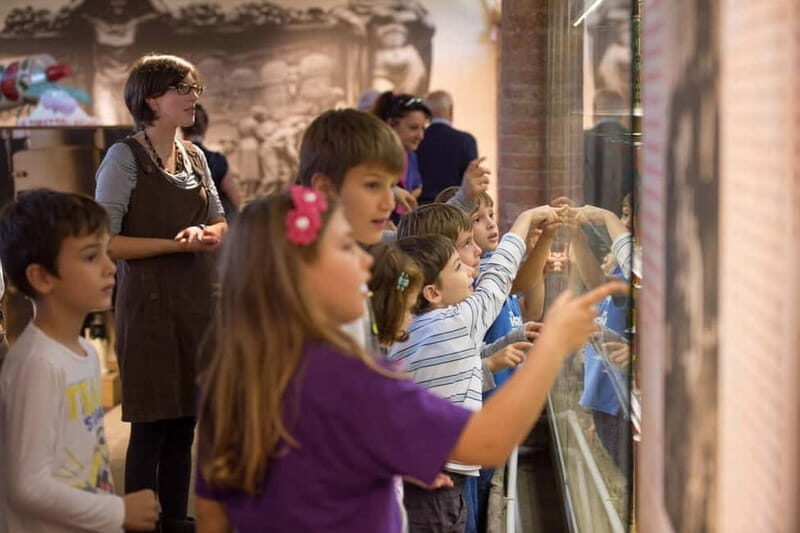
Yes, the museum’s displays are engaging and suitable for a family outing, especially those interested in food and history.
To sum it up, the Museum of Pasta in Parma offers a thorough and authentic look into Italy’s beloved staple, blending educational exhibits with cultural storytelling. It’s a must-visit for foodies, history buffs, and those wanting to connect more deeply with Italian culinary traditions. While the location might require a short trip outside the city center, the insights gained make it a rewarding and flavorful experience.
You can check availability for your dates here: