Physical Address
304 North Cardinal St.
Dorchester Center, MA 02124
Physical Address
304 North Cardinal St.
Dorchester Center, MA 02124

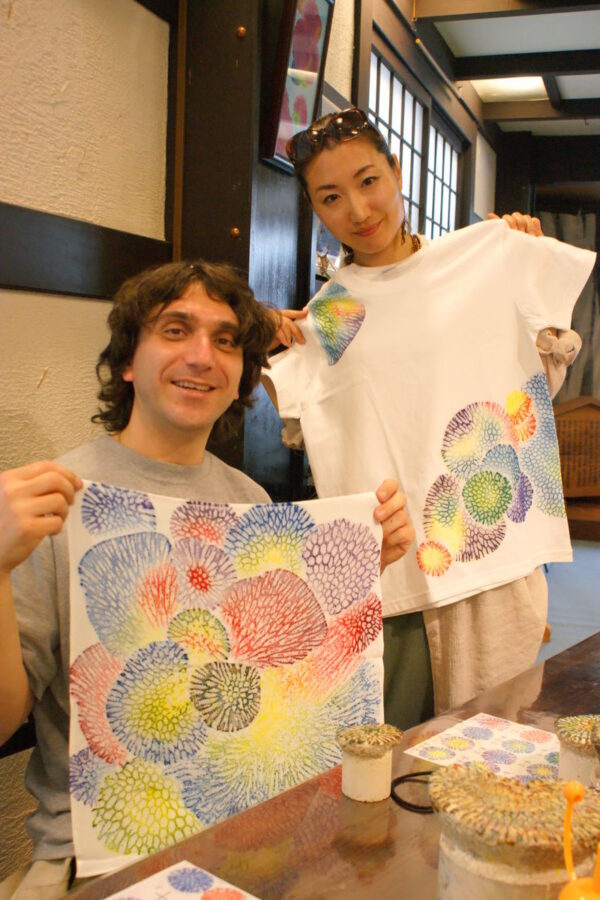
Make a one-of-a-kind coral-print souvenir at Shuri Ryusen in Naha, with an easy, family-friendly workshop near Shuri Castle.
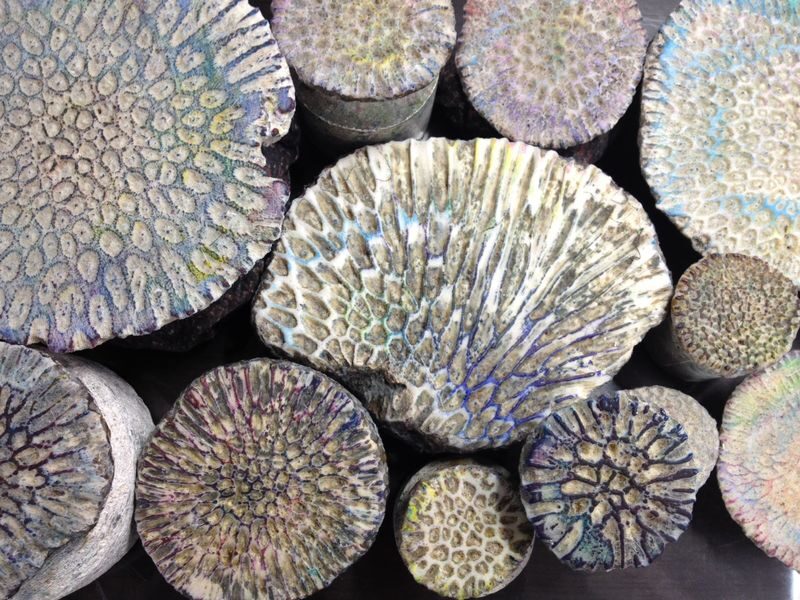
At Shuri Ryusen, coral fossils become printing tools. You arrange their natural patterns on a T-shirt, tote bag, or other available item, then use dye and a tampo, a small dyeing tool, to build a design that is yours alone. The workshop is presented as Japan’s only coral dyeing experience, a rare chance to try a craft tied to this Naha studio.
I like two things in particular: you make a useful souvenir yourself, and the process is simple enough for children and older adults to join in. The staff give a short demonstration, and English-language support includes translated instructions. One consideration: an hour can feel tight if you want to plan an elaborate design, especially on a T-shirt.
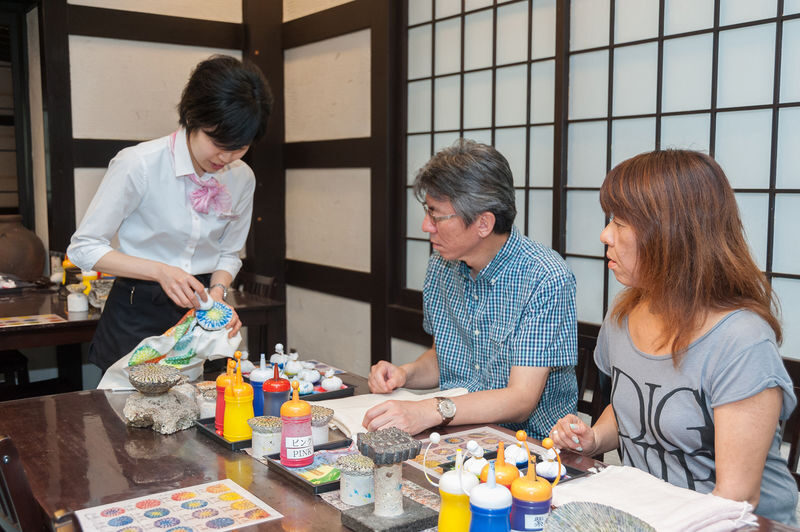
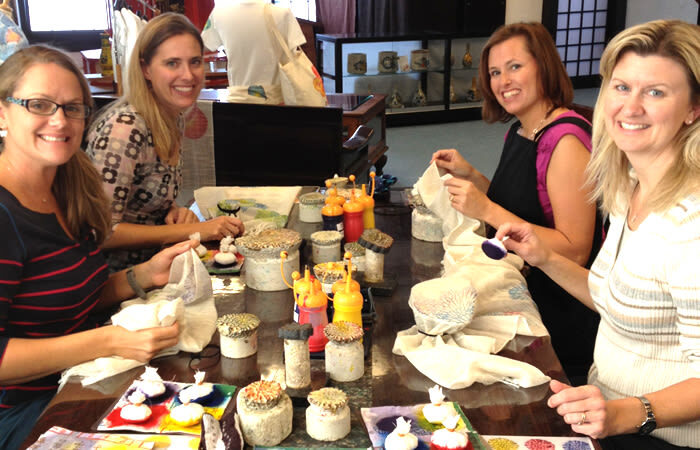
Shuri Ryusen’s method is tactile and straightforward. Instead of drawing every pattern by hand, you arrange coral fossils and other stamps on your chosen fabric, then apply color with a tampo. The pieces vary in size, so you can experiment with different shapes and build a design from repeated prints.
The coral used here is described as precious coral owned by the studio, and some pieces are fossil coral. That detail gives the class a distinct Okinawan character. This is not simply a generic fabric-printing session with a local name attached: the coral shapes are the heart of the method, and the studio presents its class as the only coral dyeing experience in Japan.
You do not need an art background to take part. The instructor demonstrates the basic steps, and the process leaves room for your own choices without asking you to master complicated techniques. That makes it a comfortable introduction for children, adults, seniors, and solo visitors alike.
Looking for more options in Naha? Here are some other experiences worth considering.
The class lasts one hour. At the 09:30 session, for example, you begin with a briefing and finish around 10:30. Other available start times are 11:00, 12:30, and 15:30. Arrive 15 minutes early so check-in does not eat into your making time.
The first 10 minutes are for instruction. The instructor walks you through the process and shows how to use the tools and arrange your design. English and Japanese-speaking guidance is included. English may not be spoken fluently by every staff member, but translated flash cards and written instructions help make the steps clear. If you are unsure, ask before you start printing.
Then you have about 50 minutes to work on your piece. You choose an item from the available options, which may include T-shirts and tote bags, and select coral forms and colors. The studio also has other stamps, giving you more ways to combine patterns. Think about your color plan and layout before you begin. The class is beginner-friendly, but the time passes quickly once you start testing combinations.
The work is self-guided after the introduction, though staff may check in and offer direction. You can take your finished piece home that day. The color still needs to be fixed with ironing at home, and the studio provides instructions for that final step. So your souvenir is ready to carry away, but not quite ready to wear until you finish the setting process.
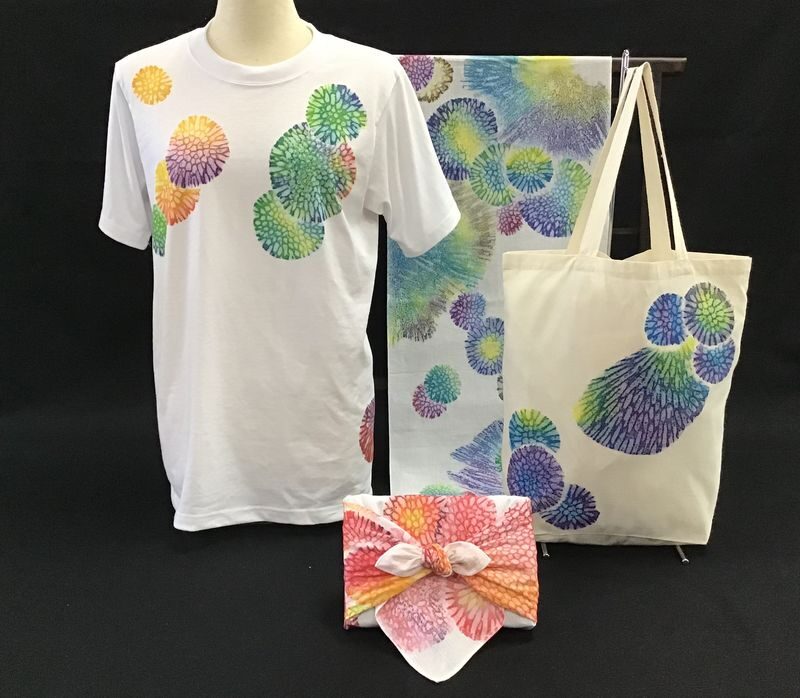
A T-shirt makes a memorable keepsake, but it also gives you a larger area to plan and print. Some people find an hour a little short for a full shirt design, especially if they want to make careful choices or revise their layout. If you like to take your time, a smaller item such as a tote bag or cloth may be a more relaxed choice, depending on what is offered when you visit.
The upside of a larger surface is that you can make a bold design with several coral patterns. The downside is that more space can invite more ideas than the clock allows. I suggest deciding in advance whether you want a simple repeated pattern or a more varied arrangement. You can still adjust your plan at the table, but a rough idea helps you spend your time printing rather than debating every color.
The finished piece is personal rather than factory-perfect. That is part of the appeal. Coral shapes and dye colors create natural variations, so the result is a handmade memento of your time in Okinawa, not a souvenir shop copy.
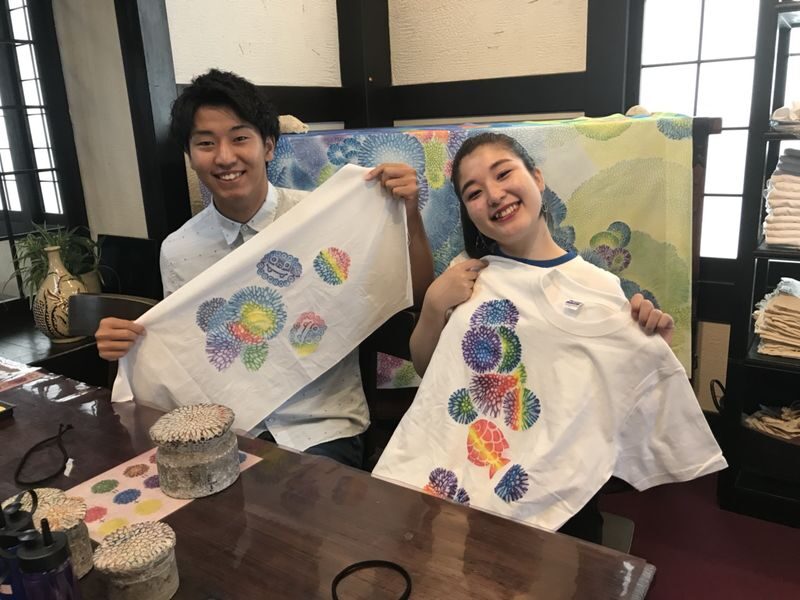
This class works particularly well for families because adults and children can create at the same table while choosing their own designs. The steps are approachable, and the activity gives children a chance to make something they can take home. Children aged 13 and older are charged the adult rate. The information provided does not specify a minimum age for younger children, so check that detail when booking if you are bringing a small child.
It is also a sensible choice for a solo visitor. You do not need a partner to make the class feel complete, and the process gives you a focused hour indoors. The workshop suits couples, too, especially if you want a low-key activity rather than another sightseeing stop.
The experience is not an advanced textile course. If you want a long lesson on fabric design or a highly technical craft workshop, this may feel brief. Think of it as a guided introduction and a chance to make a simple, individual souvenir. That is a fair trade for a one-hour slot.
The studio is at 1-2 Shurikinjocho, Naha, Okinawa 903-0815, near Shuri Castle. The meeting-point information also gives 1 Chome-54 Shuriyamagawacho, Naha, Okinawa 903-0825, so use the voucher and map details to confirm the correct entrance before setting out. The class is a meet-up activity, not a tour with transport included.
Shuri Castle is close enough to pair with the workshop in the same day. One practical account puts the walk at about 10 minutes, while Shuri Monorail Station is around a 15-minute walk away. The station is Shuri Station, also identified as Station 15. If walking is not convenient, plan your own ride: transport fees are not included.
The studio itself is part of the appeal. It has a shop and displays of coral art and hand-dyed fabrics, with the activity space upstairs. Give yourself a little time to look around before or after your class, but do not let browsing make you late. The workshop’s one-hour schedule is compact, and the meeting instructions ask you to arrive 15 minutes early.
Parking may be available, but if the lot is full you will need to use nearby paid parking at your own expense. If you are driving, leave extra time rather than assuming a space will be open.
The advertised starting price is $28.75. It includes the one-hour Shuri Ryusen class, necessary materials, and an English- or Japanese-speaking guide. The price is reasonable for a hands-on activity that gives you a finished item to take home, especially if you value making your own keepsake rather than buying a ready-made one.
The exact value depends partly on the item you choose and what is included at your selected price. The available information does not spell out every item or any extra charges, so check the booking details before confirming if you have a specific T-shirt, bag, or fabric in mind. Extra products for printing may cost more at the studio, so bring the items you plan to use only if the booking terms allow it. Do not assume that an additional item is included.
Transportation is not included. That matters if you are planning a tight day or relying on the monorail, since the station is a walk away. The class itself is short, so the overall outing is best value if you combine it with Shuri Castle or another nearby stop.
Wear light clothing that you do not mind getting dirty. This is a dye activity, and practical clothes are a better choice than a favorite white shirt. Arrive 15 minutes before your booked time, not at the start time. That small buffer helps you check in and get settled before the instructor begins.
Think about your design before the session. You do not need a detailed sketch, but a rough idea of colors and pattern placement can help. If you are making the activity part of a family outing, let each person choose their own approach. The point is not to produce matching souvenirs, but to try the process and make something individual.
Keep your schedule flexible if you are visiting during unsettled weather. A typhoon has caused a session to be delayed, and communication around the change was not clear. Check for updates before you set out, and keep the studio’s contact details handy. That is sensible planning for any fixed-time activity in Okinawa.
Book it if you want a hands-on Okinawan craft, a family activity with a clear takeaway, or a creative break near Shuri Castle. The coral fossil printing gives the class a strong local identity, and the beginner-friendly process means you can enjoy it without special skills. Its one-hour length is also easy to fit around sightseeing.
Think twice if you want a long, highly detailed class or dislike working to a clock. The session moves along, and ambitious designs can feel rushed. For most visitors, a simple plan and an open mind are the winning combination: choose your item, pick a few colors, and let the coral shapes do much of the work.
“A fantastic experience with many items to choose from to get creative.”
The class lasts one hour. It includes about 10 minutes of instruction and approximately 50 minutes to make your design.
The listed start times are 09:30, 11:00, 12:30, and 15:30. Your voucher is valid for the date and time selected.
You can choose from available items such as T-shirts and tote bags. The specific choices may depend on what is offered at the studio.
Yes. You can take your coral dye work home the same day. You will receive instructions for ironing it at home to fix the color.
The activity is described as suitable for a wide range of ages, including children and seniors. Children aged 13 and older are charged the adult rate.
English- and Japanese-speaking guidance is included. Translated instructions and flash cards can help you follow the process.
The meeting-point address is 1 Chome-54 Shuriyamagawacho, Naha, Okinawa 903-0825. The activity address is also given as 1-2 Shurikinjocho, so check the map and voucher details before you go.
No. Transportation fees are not included, and you need to make your own way to the studio.
Wear light clothing that you do not mind getting dirty. The activity uses dye, so avoid clothes you want to keep spotless.