Physical Address
304 North Cardinal St.
Dorchester Center, MA 02124
Physical Address
304 North Cardinal St.
Dorchester Center, MA 02124

Compare three Osaka day trips to Awaji Island, Mount Koya, or Kumano Kodo, with a driver-guide, small group transport, and a guaranteed departure.
Awaji Island is the easiest way to trade Osaka’s city streets for sea views, Ando-designed buildings, seasonal flowers, and a sunset-side pancake stop, all in one long day. The same tour also offers Mount Koya and Kumano Kodo routes, so you can choose the kind of escape that suits you rather than settle for a generic coach circuit.
I like two things in particular: the guaranteed departure, even for one person, and the private-vehicle access that makes remote sites more practical than they are by public transport. I also like the small-group format, with no more than 20 people, and the careful service praised by passengers who rode with guides such as Hanazawa and Tai An.
The trade-off is time. Awaji’s schedule packs in many stops, while Kumano involves a very long drive; neither route is a slow, unplanned day. You’ll also pay separately for meals and any ticketed attractions, and the detailed timetable below applies to the Awaji option, not the other two.
This is not a single circuit that stops at Awaji, Mount Koya, and Kumano. You choose one package: an Awaji Island day focused on architecture, flowers, and the sea; a Mount Koya visit built around temples and sacred sites; or a Kumano Kodo pilgrimage route linking the three Kumano grand shrines.
That distinction matters when you compare the advertised price, from $74.55. The starting price gets you round-trip transport from Osaka and a driver-guide, but the price for the particular date and route may vary. Food and drinks are extra, and some sites charge admission. Before booking, make sure you have selected the destination you actually want.
The common advantage is access. From Shinsaibashi, you can spend the day looking out the window instead of planning complicated connections or driving yourself. That is especially useful for Kumano, where the tour’s appeal is partly its attempt to join far-flung sites in a single outing.
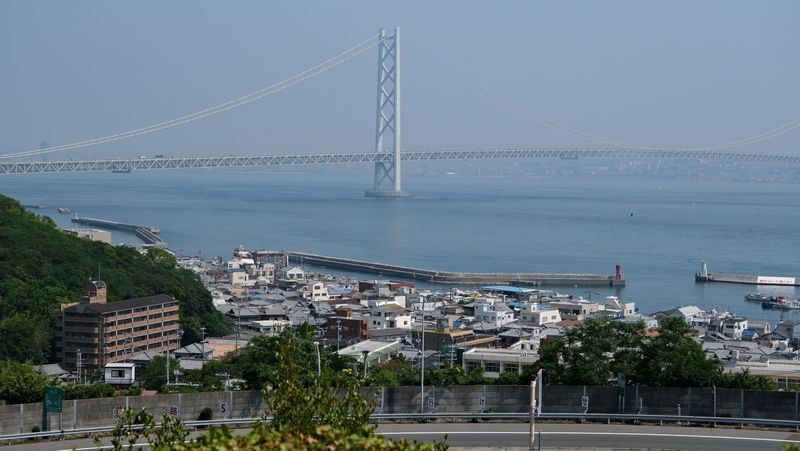
The Awaji route leaves from the Shinsaibashi area in the morning and is scheduled to return around 19:30. The first stop is Awaji Highway Oasis, where you get about 30 minutes to look toward the Akashi Kaikyo Bridge, the long suspension bridge linking Kobe and Awaji Island. It is a scenic introduction, and a handy first chance to buy local goods.
One useful tip: do your souvenir shopping here if you see something you want. The stop is brief, and the rest of the day is built around visits rather than browsing shops. You will have time to take photos, but not to linger over every shelf.
Looking for more options in Hyogo? Here are some other experiences worth considering.
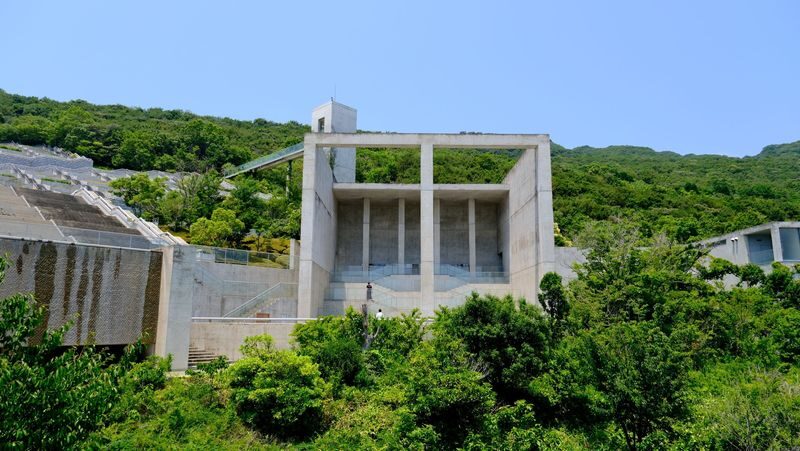
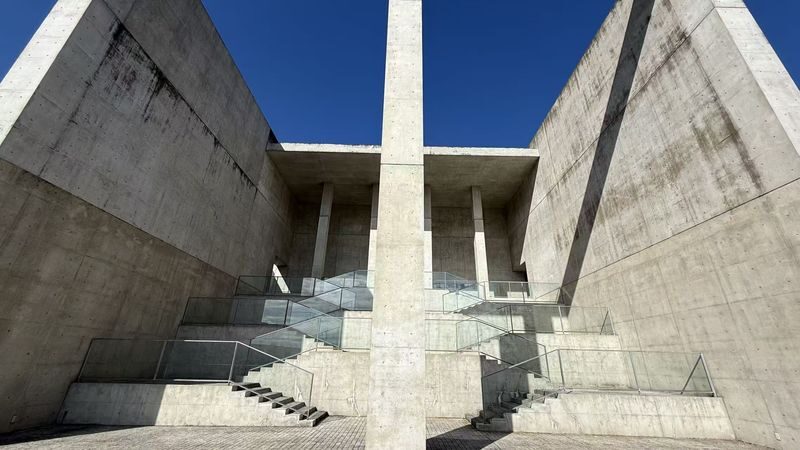
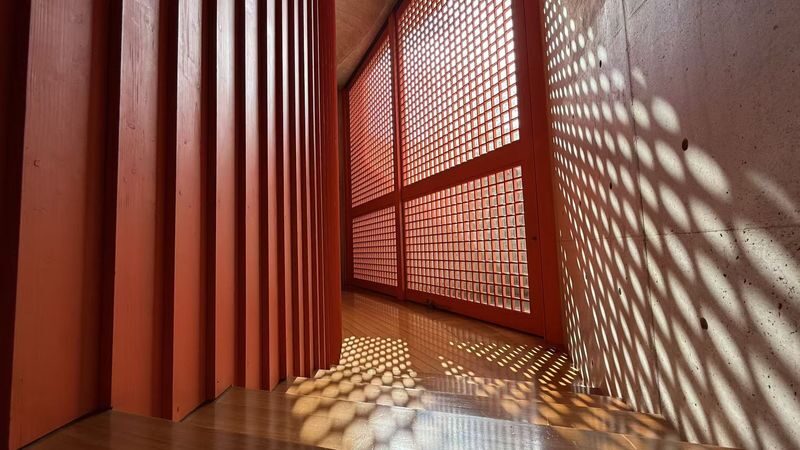
The main architectural visit is Awaji Yumebutai, including the Church of the Sea. The schedule allows about two hours, a generous stretch compared with the shorter photo stops later in the day. Tadao Ando’s style makes space and light part of the experience: you are there to notice how the buildings sit within their surroundings, not just to tick off a landmark.
Next comes Honpukuji Water Temple, another Ando design, with around 20 minutes set aside. The approach and building make this a compact but memorable stop, where the route shifts from open architectural spaces to a more inward, spiritual setting. Admission costs 400 yen for adults and 200 yen for children, payable separately. Keep some cash or another accepted payment method ready, since the tour price does not include this fee.
There is a timing wrinkle in the published schedule: the Yumebutai visit is shown as running for two hours from 11:40, while the Water Temple stop is listed at 13:50. Traffic and day-of adjustments may affect the sequence or time at each place. Treat the posted times as a guide, not a promise that every stop will be exactly on the minute.
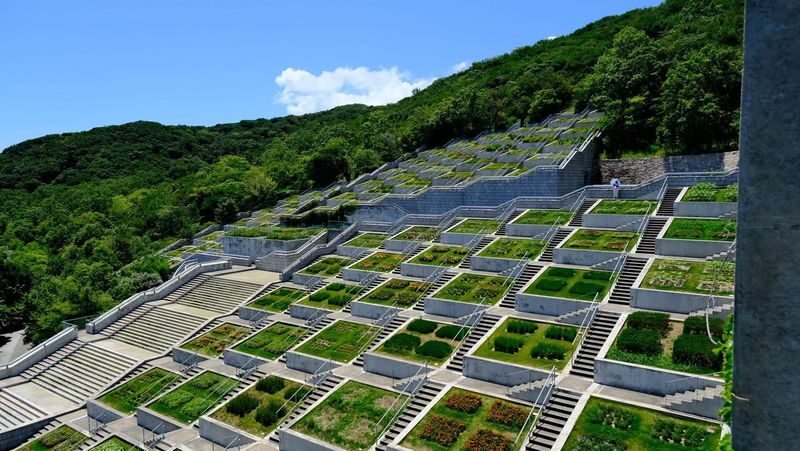
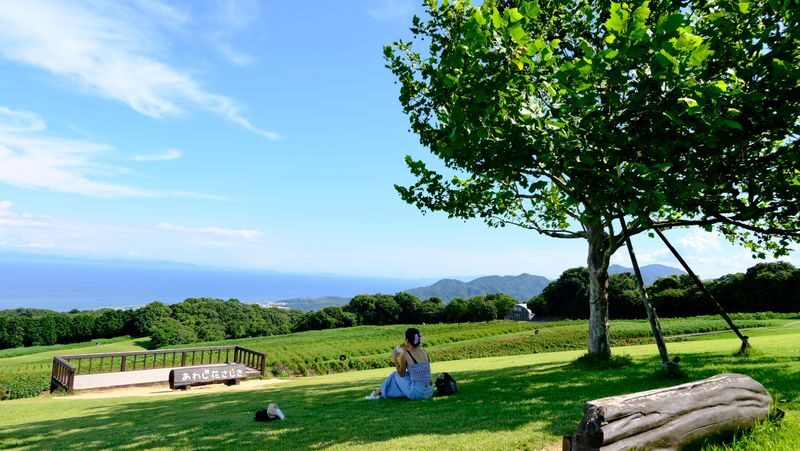
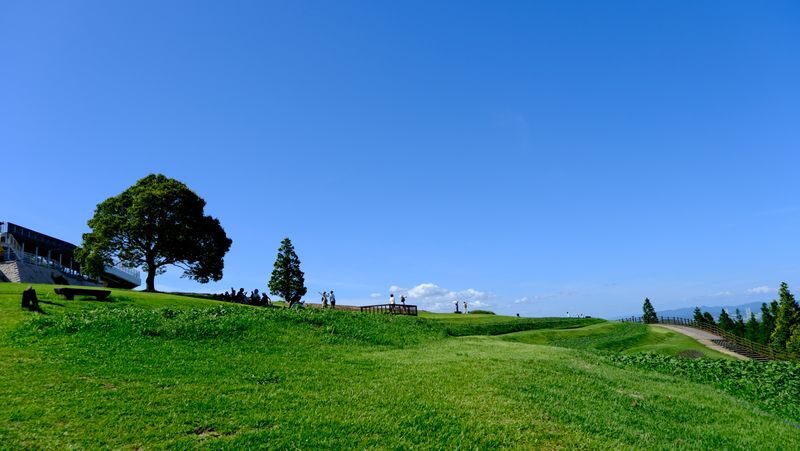
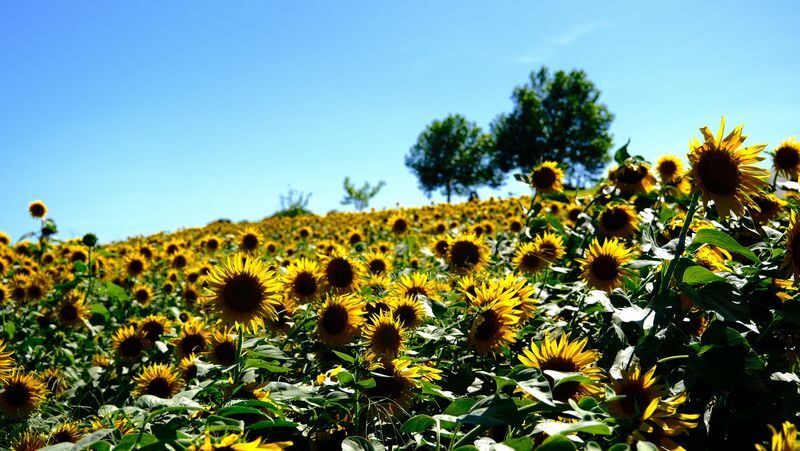
Awaji Hanasajiki is the route’s flower stop, with about 40 minutes to walk the grounds and see what is in bloom. The display changes with the seasons, so the color and variety depend on when you go. This stop is best for a relaxed stroll and photos; it is not a full garden visit with hours to explore.
The tour then calls at Kareki Shrine, associated with Japanese incense-making, for about 20 minutes. The route information connects the area with Kunshudo, founded in 1893. It is a different kind of stop from the large architectural sites: brief, local, and a reminder that the island’s appeal is not only sea views and famous buildings.
Izanagi Shrine follows, with another 20 minutes. It is described as Japan’s oldest shrine, and offers a change of pace from Ando’s modern forms. The short visit lets you see the shrine grounds, but if you like to read every sign or spend time in quiet reflection, you may wish you had longer.
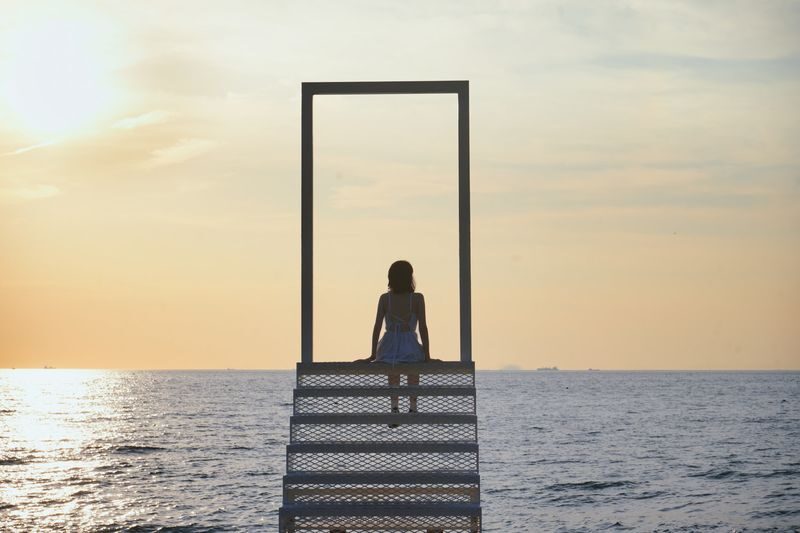
The last scheduled Awaji stop is A Happy Pancake, a popular café facing the Seto Inland Sea. The schedule gives this stop about an hour and 20 minutes, though the description also refers to a longer visit of roughly an hour and a half. That time is intended for dessert or drinks, sea views, and, when conditions and timing cooperate, the sunset.
This is a pleasant way to end a full day, but it is also the least predictable stop if the café is busy or traffic has eaten into the schedule. One passenger described the guide helping the group avoid a wait, but that should not be treated as guaranteed. Bring money for your order, since meals and drinks are not included.
The departure time is adjusted seasonally. For Awaji, the tour says departures will start at 09:30 from March 1, 2026, to match sunset timing. Check the specific date’s voucher for the confirmed meeting time rather than relying on a general schedule.
The Mount Koya option suits you if you want a day centered on Buddhist practice and sacred places. The advertised highlights include a goma fire ritual, Okunoin’s old trees and cemetery, and a visit to Niutsuhime Shrine, reached by private vehicle. That last stop is particularly useful because the tour describes it as too remote for local buses to reach.
The route is more than a temple checklist. The fire ritual offers a chance to witness an active religious practice, while Okunoin’s quiet paths make the visit feel very different from a quick stop at a city temple. The tour materials also identify Danjo Garan and Kongobuji Temple as Mount Koya sites visited on some versions of this route. Confirm the exact stops for your chosen date, since the detailed timed schedule provided here is for Awaji.
Passengers have praised guides for explaining the sites and keeping the day balanced rather than exhausting. Still, this is a full-day excursion, and a driver-guide is not the same as a specialist guide stationed at each temple. If you want long, independent time at every site, a private overnight visit may fit better.
Kumano is the most ambitious option. The day aims to bring together Kumano Hongu Taisha, Kumano Hayatama Taisha, and Kumano Nachi Taisha, with a light walk on an ancient forest path. The advertised route also highlights Nachi Falls and the mossy Daimonzaka section, and some accounts of the day include Seiganto-ji, Otorii, and a footbath at Totsukawa Onsen.
That is a lot of ground. One passenger reported a driving distance of nearly 460 kilometres, which gives you a sense of the scale, though exact mileage will depend on the day’s route. The long transfers are the price of seeing several places in one day. People who enjoy the drive as a chance to rest between stops may find the format practical; people who want a multi-day pilgrimage on foot should not confuse this excursion with that experience.
The walk is presented as a manageable forest section rather than strenuous training, and sneakers are described as suitable. Even so, wear comfortable shoes and expect uneven outdoor paths. Weather can change the feel of the day: rain may make the trail slippery, and the operator may adjust stops or timing for conditions, crowds, or traffic.
The group size is listed as one to 20, and the driver also serves as the guide. That arrangement keeps the outing simple and helps the vehicle reach places a large bus might not. In accounts of the trip, passengers describe clean, comfortable vehicles, smooth driving, planned rest breaks, and thoughtful touches such as cold drinks, umbrellas, snacks, and neck pillows. Those extras are not promised for every departure, but the repeated attention to comfort is a welcome sign on a long day.
Guide names that appear in accounts include Hanazawa, Tai An, Kudo, and Ooyasu. Their reported strengths include careful driving, clear timing instructions, help with photos, and attention to older passengers and solo travellers. Guides may speak Japanese, English, or Chinese, but do not assume your preferred language is guaranteed on every vehicle. Different language groups can share a car, and the operator says translation software may be used when explanations need support.
At a starting price of $74.55, the value depends on what you want from the day. You are paying for a long round trip from Osaka, access to multiple stops, and someone else handling the driving and route. For Awaji, that means linking architecture, shrines, flowers, and a sea-view café without arranging separate transport. For Kumano, the value is even more tied to logistics: independent travel between the three grand shrines in one day would be difficult.
The price does not cover meals, beverages, or admission tickets. Budget extra for the Water Temple if you choose Awaji, and for any food or treats you want along the way. The group has a stated allowance of one standard-sized piece of luggage, though most day-trip passengers will likely travel with a small day bag instead.
Arrive at the Shinsaibashi meeting point at least 10 minutes early. The stated directions are Osaka Metro Shinsaibashi Station Exit 2, then the South No. 10 escalator to the first floor. The vehicle departs on time; late arrivals and no-shows are not refunded or rescheduled. The return time is approximate, since traffic may bring you back earlier or later.
Choose Awaji if you like modern architecture, flower displays, shrines, and a leisurely café stop, and want a varied day without a demanding hike. Choose Mount Koya if temples, Buddhist ritual, and quiet sacred places are your priority. Choose Kumano if reaching the three grand shrines matters more to you than spending hours at any one of them.
The tour has an overall rating of 4.9 from 343 activity ratings, and the provider has a 97 percent good-review rate across 725 reviews. Numbers are only one part of the decision, but they align with the strongest practical points: reliable transport, attentive driver-guides, and a full day arranged for you.
I would book it if you value access and convenience more than a slow, self-directed pace. For Awaji, check the seasonal departure time and allow extra spending for food and admission. For Kumano, be ready for a long ride. And for any route, read the final voucher carefully: it contains the day’s contact details and instructions.
“I took the Kumano Kodo day tour, and all the spots we visited were wonderful. It felt like hiking while sightseeing at a World Heritage site. Altho…”
No. You choose one route when booking: Awaji Island, Mount Koya, or Kumano Kodo.
The experience is listed as 10 hours. The Awaji schedule runs roughly from 09:30 to 19:30, although traffic and seasonal timing can affect the day.
It meets in the Shinsaibashi area of Osaka. The directions specify Shinsaibashi Station Exit 2, then the South No. 10 escalator to the first floor.
The operator says the tour is guaranteed to depart with one participant.
No. Meals and beverages are not included, and admission tickets are paid separately. The Awaji Water Temple charges 400 yen for adults and 200 yen for children.
The stated group size is one to 20 people.
No. The driver also acts as the guide. The operator says different language groups may share a vehicle, and translation software may be used when needed.
The route is described as a light hike on a selected forest section, with sneakers suitable. It is still an outdoor walk, so comfortable footwear is sensible.
The vehicle departs on time. The tour information says late arrivals and no-shows are not refunded or allowed to reschedule, so arrive at least 10 minutes early.