Physical Address
304 North Cardinal St.
Dorchester Center, MA 02124
Physical Address
304 North Cardinal St.
Dorchester Center, MA 02124

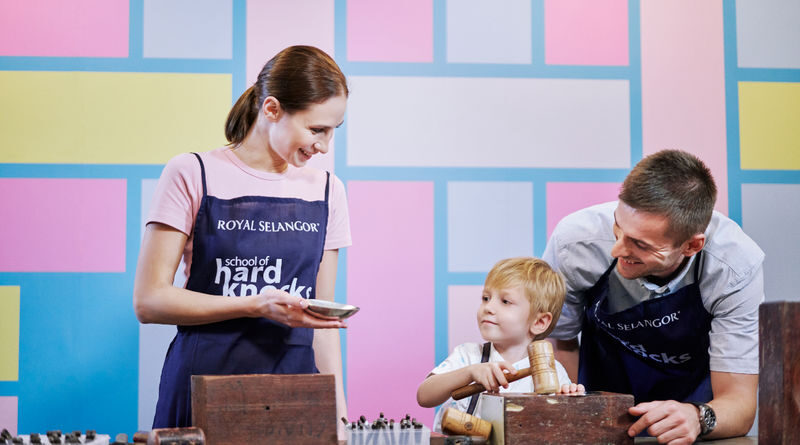
Hammer a pewter dish at Kuala Lumpur’s Royal Selangor Visitor Centre, then explore the museum and take home your handmade souvenir.
A flat piece of pewter becomes a small dish under your own hammer. At the Royal Selangor Visitor Centre, this hands-on class turns a lesson in Malaysian pewter-making into a keepsake you actually made, not just another thing bought in a shop.
I like the combination of a short museum tour and the chance to work with traditional tools, and I like that the finished dish, apron and certificate come with the workshop. The main caveat is that the class is brief: the allotted workshop time is 30 minutes, and some people finish the hammering much sooner.
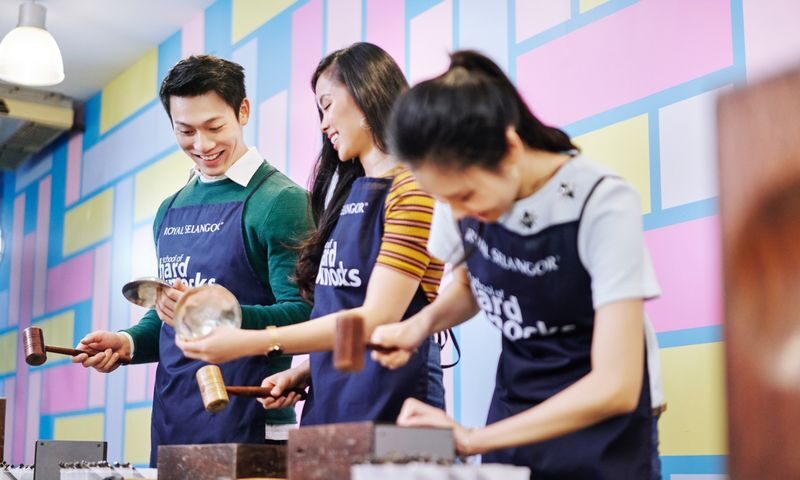
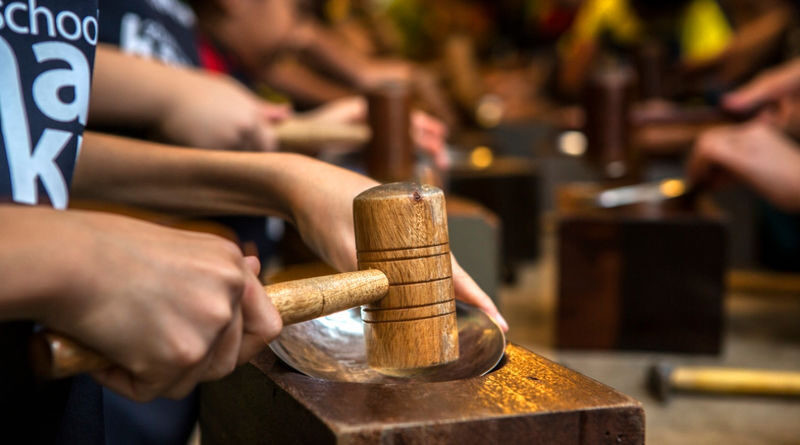
Royal Selangor is a Malaysian pewter maker with a history stretching back about 140 years. The visitor centre gives you a chance to learn about that craft, see objects made from pewter and, in the workshop, try shaping some yourself. That last step is what makes this stop more than a museum visit.
The standard package pairs a 30-minute museum tour with a 30-minute School of Hard Knocks workshop. That is a tidy fit for a city itinerary: there is enough time to learn a few things and make something, without giving up a whole day. Allow extra time if you want to look around the displays or shop after class.
The centre is open daily from 9 a.m. to 5 p.m., with last admission at 3 p.m. Choose a time that gives you room to stay a little longer. The workshop itself is short, but the museum and shop can extend your visit.
You might also be interested in these Kuala Lumpur experiences
The guided tour introduces the company, the history of pewter and how its products are made. That background gives the workshop more meaning: you are not just hitting metal until it bends, you are trying a small part of a craft with a long local connection.
The guide can also help make the displays easier to understand. Staff members such as Yin Hui and Yi Ling have been praised for answering questions and helping visitors get more from the museum. Your guide will depend on the day, of course, but the tour is offered in English, Chinese, Cantonese or Malay, depending on the option you select when booking.
One point to keep in mind: the guided portion can feel brisk. Some visitors have wished for more time to study the displays, while others found the short tour a useful introduction. If you like to read every label, plan to explore independently before or after the scheduled part, if time allows.
You may also see something of the production process. The centre includes factory displays and demonstrations, and on some visits the factory itself may not be operating. A public holiday, for example, can mean there are no workers on the line, though a demonstration setup may still explain how items are made. If seeing active production is important to you, consider asking the centre about operating days before you go.

In the workshop, an instructor shows you how to use traditional tools to shape a flat piece of pewter into a dish. The task is designed for beginners, and staff can guide you through it. You do not need previous craft skills, but the hammering takes some arm work. One solo participant found it more of a workout than expected; young children may not have the strength to do every step unaided.
The activity is hands-on without being complicated. Instructions are there to keep the process clear, and instructors have helped children and adults complete their pieces. A few names come up as especially warm guides, including Azree and Benjamin, but you cannot count on a particular instructor being assigned to your session.
The class is listed as 30 minutes, though the actual hammering can be quicker. Some people have finished in about 15 minutes, while others take more time or pause when their arms tire. If you want a leisurely craft class with a long, open-ended work period, this is not quite that. Think of it as a short introduction that leaves you with a finished object.
There is a personal touch to the result. Some participants have been able to add their name to the dish, making the piece feel more individual. The exact finish may depend on the workshop process, so ask your instructor what options are available before you begin.
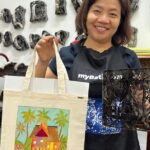
You take your pewter dish home, along with a special apron and a certificate of completion. The dish is packed for carrying, and the presentation makes it easy to bring back as a gift or a reminder of the day. One participant described a plate around 15 centimetres across, though dimensions and final shape may vary.
This take-home piece is a big part of why the class feels worthwhile. You have made something yourself, and the object carries a memory of the effort, not just a shop receipt. If you are travelling with children, it can also give them a concrete result to show off at home.
The workshop package starts at about US$19 to US$21, based on the prices provided. The variation is worth checking when you book, since prices and promotions can change. At that level, you are paying for instruction, the museum tour, tools, the dish, apron and certificate, not simply for a half-hour activity.
If you want to make a longer visit of it, one package adds lunch for a starting price of US$24.25. Meals and drinks are not included in the basic workshop package, so check your selected option rather than assuming food comes with the entry. The on-site cafe gives you a convenient place to eat, and lunch has been described as tasty and good value.
A higher-priced package combines School of Hard Knocks, The Foundry and lunch, starting from US$63.65. The Foundry is a separate workshop option, so this package is best for people who want a fuller craft-focused visit. The supplied details do not specify the length or exact activity in The Foundry, so check those particulars before paying the extra amount.
If you are short on time, the basic package is enough to get the central idea: a little context, a little making, and a souvenir. If you want a slower day at the visitor centre, the meal package may be a practical choice.
The meeting point is the Royal Selangor Visitor Centre at 4, Jalan Usahawan 6, Setapak Jaya, Kuala Lumpur. From Bukit Bintang, the drive is about 20 minutes, depending on traffic. The nearest listed metro stop is LRT Wangsa Maju, followed by a 25-minute walk. That walk may be less appealing in heat or rain, so a car or ride-hail is the simpler choice if convenience matters.
The centre is open every day, from 9 a.m. to 5 p.m., and last admission is at 3 p.m. A morning session can leave you time to explore the museum and browse the shop afterward. One early visitor found the centre busier after a large group arrived, so an earlier slot may feel calmer, though crowd levels can vary.
The workshop is stroller- and wheelchair-accessible. Participants must be at least 4 years old, and children must stay with an adult throughout. Children aged 4 and older pay the same rate as adults.
You will need to present your mobile voucher on the date and time specified. Confirmation is usually sent within minutes; if it does not arrive, contact customer support. The activity is nonrefundable, so check your date carefully before booking.
This is a good fit for families who want an activity that mixes learning with making. Children can see how pewter is used, then work with their hands instead of spending the whole visit looking at displays. Adults get a short introduction to local craft and a useful souvenir, too.
It also suits solo visitors and small groups. The instructors can help you through the process even if you arrive without a group, and the workshop does not depend on having previous experience. The physical work is modest, but it does involve repeated hammering, so take a break if your arms need one.
If you are mainly interested in factory production, treat the visit as a chance to see displays and demonstrations rather than a promise of an active production line. And if your idea of a workshop is an hour or two of patient, detailed making, the short format may feel too quick. Its strength is the blend: a compact museum visit, a simple craft lesson and something you can carry away.
Book it if you want a distinctive Kuala Lumpur activity that gives you a feel for pewter-making and lets you leave with a dish you shaped yourself. The best value is in the combination of the tour, instruction and take-home items, especially for families or anyone who enjoys practical crafts.
Skip it if you want a long workshop or your schedule leaves no time for the journey to Setapak Jaya. For most visitors with a free half-day, the basic package is a sensible pick; add lunch or The Foundry only if you want to spend longer at the centre.
“A very special experience, definitely a must-do when visiting Kuala Lumpur.”
The package includes a 30-minute museum tour and a 30-minute School of Hard Knocks workshop. The hands-on hammering may take less than the full workshop time.
You take home the pewter dish you make, a special apron and a certificate of completion.
Yes. Children aged 4 and older can take part, and children must be accompanied by an adult at all times. Children pay the same rate as adults. Younger participants may need help with the hammering.
English, Chinese, Cantonese and Malay-speaking guide options are listed. Select your preferred language when booking.
Not in the basic workshop package. A workshop-and-lunch option is available, as is a package that includes School of Hard Knocks, The Foundry and lunch.
The centre is about a 20-minute drive from Bukit Bintang. The nearest listed station is LRT Wangsa Maju, about a 25-minute walk away.