Physical Address
304 North Cardinal St.
Dorchester Center, MA 02124
Physical Address
304 North Cardinal St.
Dorchester Center, MA 02124

Explore dinosaur fossils, a blue whale, space exhibits, and 40-plus galleries at New York’s American Museum of Natural History.
The T. rex fossils and the enormous blue whale model give this museum its grand, instantly memorable scale. I like that one general ticket also opens the door to more than 40 permanent halls, including the Rose Center and the new Richard Gilder Center, so you can move from dinosaurs to the cosmos without changing venues.
I also like the museum’s carefully built animal dioramas, which turn scientific displays into scenes you can stop and study. The main drawback is the sheer size: a quick visit means choosing what to miss, and a voucher purchased through a third-party seller may still need to be exchanged at a ticket desk.
👉 You might find our guide helpful: 2 Best Food Tours In New York
At 200 Central Park West, the American Museum of Natural History is less a single exhibit than a series of distinct worlds under one roof. Its four-story scale is part of the appeal, but it can also turn an unplanned visit into a long march from one gallery to the next.
I’d choose a few priorities before arriving, then leave room for discoveries along the way. The museum covers animals, dinosaurs, minerals, human cultures, and space, among other subjects. Even a brisk visit can take two or three hours; three to four hours is a more comfortable starting point, and half a day lets you pause and read more.
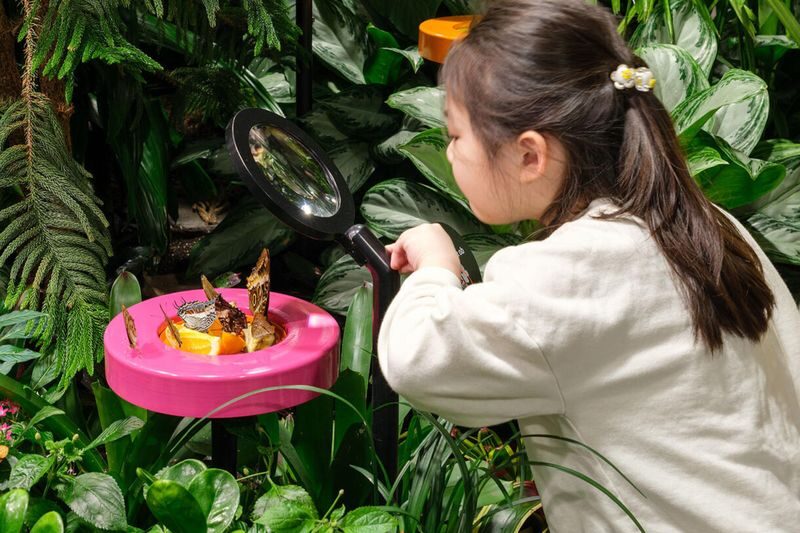
The general ticket covers more than 40 permanent exhibition halls, the Rose Center for Earth and Space, and the Richard Gilder Center for Science, Education, and Innovation. It does not automatically include every special attraction. A planetarium show, giant-screen film, butterfly vivarium, or additional ticketed exhibition may require a separate purchase.
You might also be interested in these New York experiences
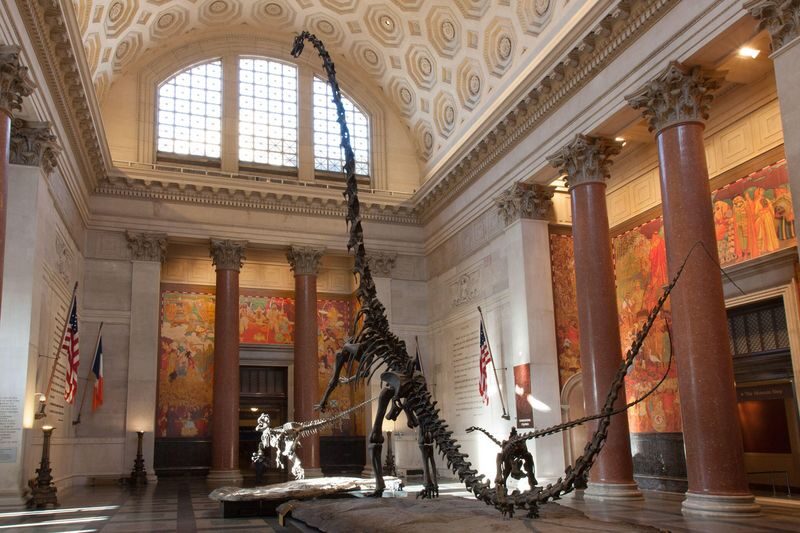
If dinosaurs are your main reason for coming, make the fourth-floor dinosaur and fossil displays an early priority. The halls are a highlight for many visitors, and starting upstairs can help you see them before your attention and energy begin to fade.
The appeal isn’t only the size of the skeletons. Fossils and other paleontology displays give you a direct look at ancient life, while the surrounding exhibits add context. The T. rex is a headline sight, but don’t treat it as the only stop worth your time. Take a moment to look around the full gallery and notice how many different specimens are on view.
A new exhibition, Impact: The End of the Age of Dinosaurs, explores the asteroid collision associated with the dinosaurs’ extinction and the burst of life that followed. It is included with the General Admission Plus One Ticketed Exhibition option, subject to availability. Check the day’s options before you choose a package, since the general ticket alone does not promise entry.
The fourth floor may be busy, especially as the day goes on. If the dinosaur halls are a priority, arriving near opening time and heading there first is a practical plan. If you’d rather avoid a race upstairs, visit later and accept that you may need to be patient in the most popular areas.
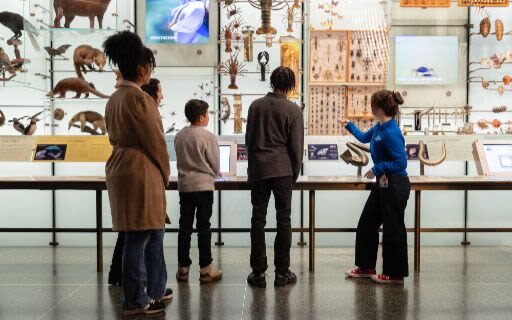
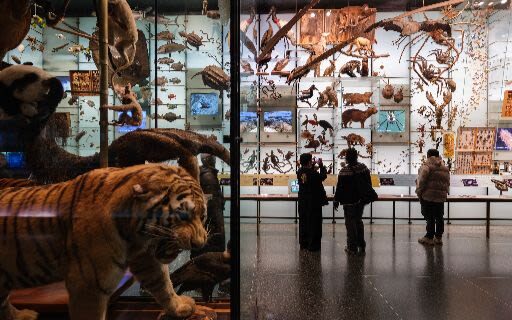
The museum’s animal displays are a good counterpoint to its giant fossils. Meticulously crafted dioramas set specimens in scenes that suggest their natural surroundings, making it easier to compare animals and notice details beyond the label.
These galleries reward a slower pace. Rather than trying to read every panel, pick a few groups that interest you and look closely at the specimens and the way each scene is arranged. That approach works well if you’re visiting with children, but it also suits adults who enjoy wildlife, biology, or the craft behind museum displays.
One limitation is that the museum has more material than most people can absorb in one visit. The range includes animal and plant specimens, minerals, anthropology, and more, so some halls may be less compelling to you than others. That is normal. Use the floor plan and information desks to steer toward your interests instead of feeling obliged to cover every room.
The life-size blue whale replica is one of the museum’s great scale-setting exhibits. It gives you a chance to take in the animal’s size in a way a photograph or label cannot match, and it makes a natural pause between smaller displays.
Give yourself a moment to look up and around before moving on. The whale hall is one of the museum’s most recognizable spaces, but it is also a useful reset: after the close focus of fossils or animal specimens, the open scale of the display changes the rhythm of your visit.
If you’re trying to see a lot, it can be tempting to pass through quickly. I’d resist that urge here. A few minutes spent taking in the whole space can be more memorable than squeezing in another gallery you have little interest in.
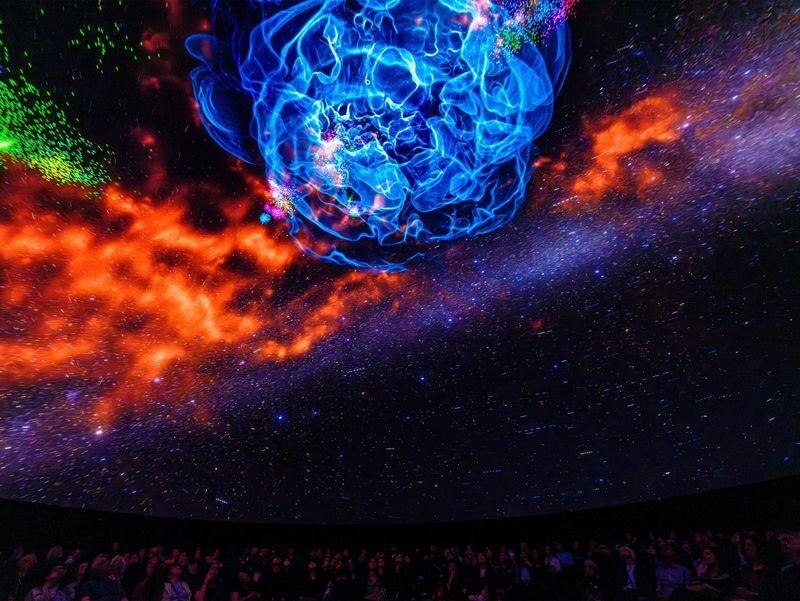
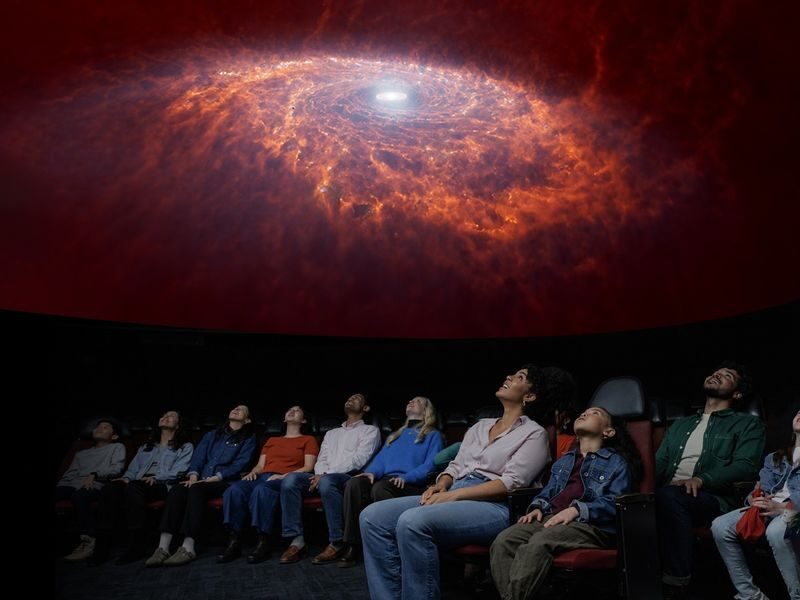
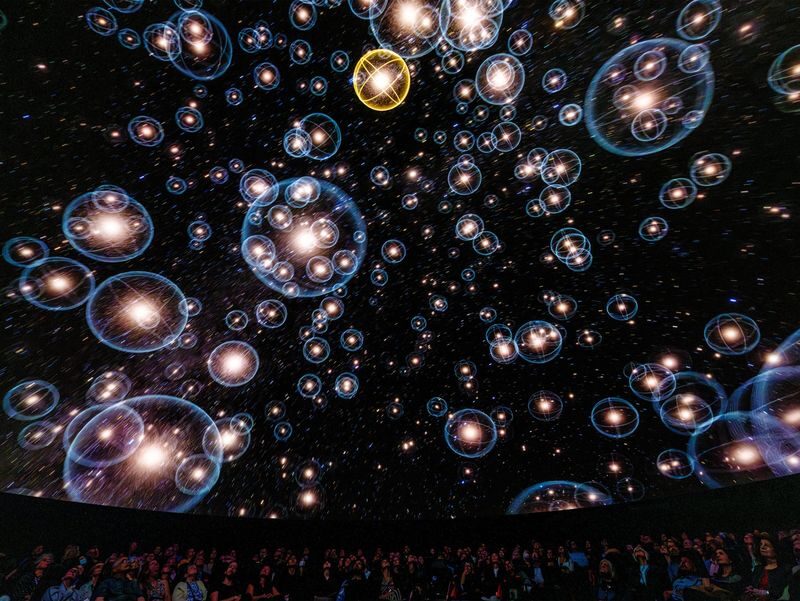
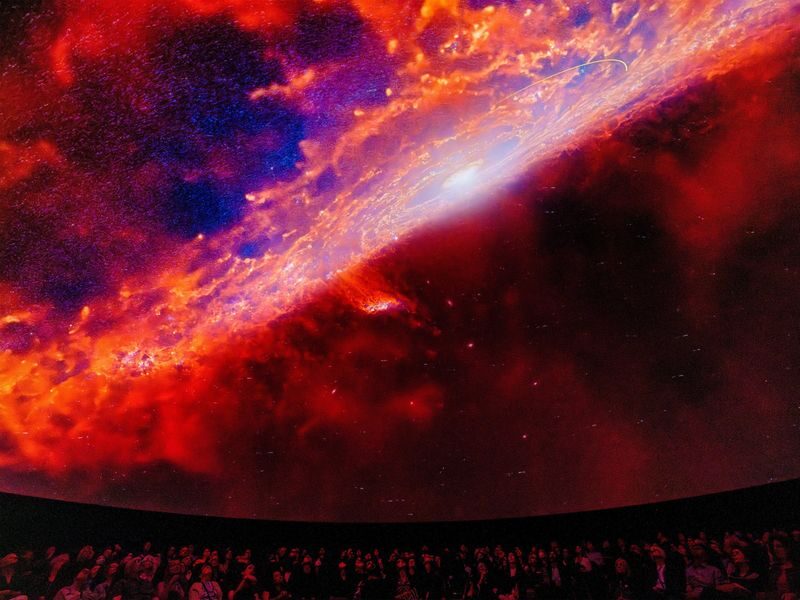
The Rose Center for Earth and Space takes the museum beyond life on Earth. Its displays focus on the cosmos and celestial phenomena, giving you a different kind of spectacle from the dinosaur halls and animal dioramas.
The main center is part of general admission, but the Hayden Planetarium Space Show is an additional ticketed experience. The same applies to the giant-screen film. If either is important to your visit, check the schedule and cost before you arrive, then decide if the extra time and charge fit your day.
A separate attraction can add variety, but it can also make an already full visit feel crowded. The general ticket provides plenty to see on its own. Add a show because you want that particular experience, not because you assume you need to pay extra to make the museum worthwhile.
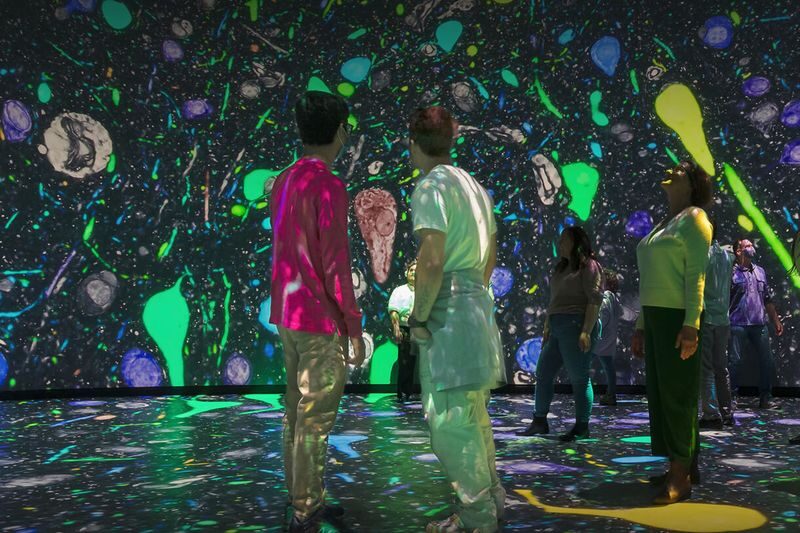
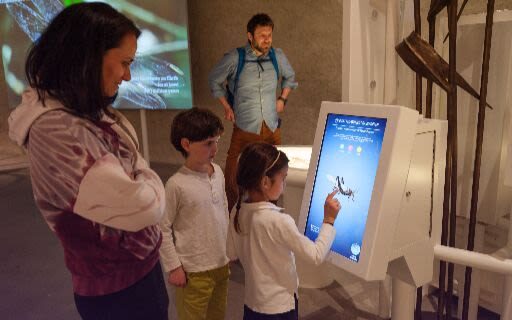
The Richard Gilder Center for Science, Education, and Innovation brings a newer space for learning and exploration into the museum experience. It complements the established galleries and gives you another way to encounter science beyond traditional specimen displays.
It is included in the general ticket, so you can visit without buying a special upgrade. If you’re short on time, treat it as one of your planned stops rather than an extra you may or may not reach at the end. With so many halls competing for attention, even included spaces can get left out if you don’t set priorities.
The museum’s different styles of presentation are part of what makes a visit interesting. One hall may focus on a fossil or specimen, while another uses a larger scene or science-centered display. The change in approach helps break up a long museum day, particularly if you are visiting with someone whose interests differ from yours.
The listed starting price is $37 for a general ticket, but check the price and package details for your selected date before booking. The general option covers the permanent halls, Rose Center, and Gilder Center. Other options add one ticketed exhibition or access to all exhibitions, so compare what is included rather than choosing by name alone.
Some additional experiences cost $10 on site, including a ticketed exhibition, the butterfly vivarium, a giant-screen film, or the Hayden Planetarium Space Show. Extra charges can change the total quickly, especially if you want several add-ons. If you already know you want special exhibits, compare the available bundled option with the separate on-site costs.
A third-party voucher may need to be exchanged at a museum ticket desk before you enter. The stated redemption instructions direct you to a ticket desk, so don’t count on a QR code alone getting you straight through. The exact entry process can differ by ticket type or current arrangements; allow time for the exchange and any line.
The voucher is valid only for the date selected, and a time may apply. The ticket can be cancelled for a full refund with at least 24 hours’ notice, using the destination’s local time. Once you have used any part of the ticket or taken part in an activity, refunds are not available.
The museum is open daily from 10:00 a.m. to 5:30 p.m. and is closed on Thanksgiving Day and Christmas Day. Hours and closures can change, so confirm them before setting out. Crowd levels vary, and busy periods can mean longer waits, especially at popular exhibits or the entrance.
The museum is at 200 Central Park West, beside Central Park. The B or C train stops at 81st Street for the museum, but subway service can change. On Wednesday, November 26, visitors must use the Central Park West entrance because of the Thanksgiving Day Parade balloon inflation event. The B and C trains may also have service changes that day, so check active MTA alerts before travelling.
This is a lot of walking, and it is easy to underestimate how tiring several hours in a large museum can be. The building has cafés, restrooms, water fountains, elevators, and gift shops, which make it easier to take breaks during a long visit. The museum is stroller- and wheelchair-accessible.
Children aged zero to two enter free, and children aged 13 or older pay the adult rate. There is no age limit for the activity. Students should bring a valid student ID with their voucher.
The museum’s location makes it easy to pair your visit with a walk in Central Park. You might prefer to explore the museum first and then get outdoors, or take a park break before heading inside. Either way, the nearby green space gives you a welcome change after hours among galleries.
Don’t plan an ambitious park outing if you also want to see the museum in depth. The museum alone can fill half a day, and the added walk may leave you short on time or energy. A brief stroll is a better fit for a tight schedule; save a longer park visit for a day with fewer indoor plans.
This is a strong choice if you enjoy natural history, fossils, animals, earth science, or space, and it also works well for families with different interests. The variety helps: a dinosaur fan can head to the fossil halls while someone else spends more time with animals, minerals, or anthropology.
You don’t need a specialist’s interest to enjoy the scale and visual impact of the main displays. But you’ll get more from the museum if you’re willing to read, compare, and move at a thoughtful pace. If museum labels and historical displays don’t appeal to you, choose a few headline sights and avoid trying to cover all 40-plus halls.
For a short New York stop, the ticket makes the most sense if you can spare at least three hours. If you have only an hour or two, decide on a small set of must-sees before arriving. For a full afternoon, the permanent halls alone offer plenty, with paid extras available if a particular show or exhibition catches your interest.
Book this ticket if you want a substantial museum visit with dinosaurs, animal dioramas, a life-size blue whale, the Rose Center, and the Gilder Center all under one roof. The general ticket offers plenty of value if you’re content with the permanent galleries; choose an upgraded package only after checking which ticketed exhibitions you actually want.
Skip it, or save it for another day, if your New York schedule is too tight to give the museum several hours. The collection is broad, but its size is a real commitment. Plan a few priorities, leave room to wander, and pair the visit with a short Central Park walk if time allows.
“The exhibition content was wonderful.”
It includes one general admission ticket and access to more than 40 permanent exhibition halls, the Rose Center for Earth and Space, and the Richard Gilder Center for Science, Education, and Innovation.
Allow at least two to three hours for a quick visit. Three to four hours or half a day gives you more time to explore, though the museum is large enough that you may not see everything.
Not with the general ticket. The Hayden Planetarium Space Show, giant-screen film, butterfly vivarium, and additional ticketed exhibitions may require an extra payment. Ticket packages vary, so check what your selected option includes.
The address is 200 Central Park West, New York, NY 10024. Take the B or C train to 81st Street, and check current MTA service alerts before travelling.
The redemption instructions say to take your voucher to a museum ticket desk and exchange it for admission. Allow time for this step.
It is listed as open daily from 10:00 a.m. to 5:30 p.m. It is closed on Thanksgiving Day and Christmas Day. Check current hours before your visit, since schedules can change.
Yes. The activity is listed as stroller- and wheelchair-accessible.