Physical Address
304 North Cardinal St.
Dorchester Center, MA 02124
Physical Address
304 North Cardinal St.
Dorchester Center, MA 02124

See Itoshima’s waterfall, temple, seaside rocks and forest trail on a nine-hour Fukuoka day trip, with transport and a Chinese-speaking guide.
Itoshima packs a surprising change of scene into a day from Fukuoka: a mountain waterfall in the morning, a centuries-old temple, then sea air, wedded rocks and a shaded forest path. This is a scenic sampler, not a slow country retreat, but it’s a useful way to reach places that are awkward to string together without a car.
I like the contrast between Shiraito Falls and Raizan Sennyoji Temple, where the day begins cool and quiet, and the west-coast stops, where the views and photo spots take center stage. I also like that a guide handles the driving and timing, with guides such as Thomas, Miki and Zhang Qing praised for clear explanations, local food tips and helping with photos.
The trade-off is a full schedule with limited time at some stops, especially if you want a leisurely lunch or to wait for a photo at Meoto Iwa. The group may travel in a small vehicle, and the day’s sequence can shift with traffic and weather.
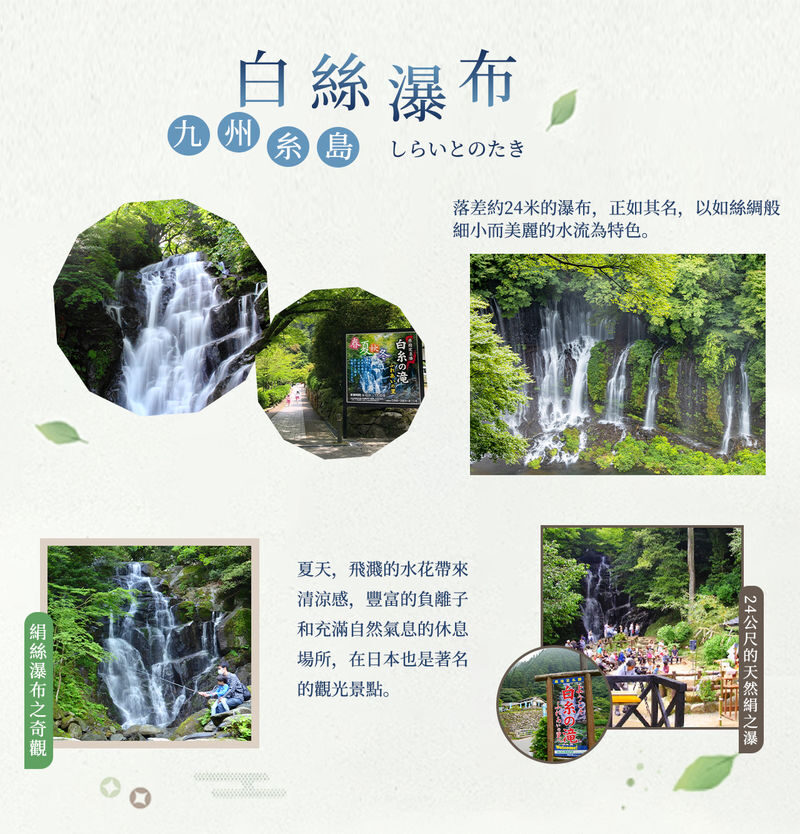
The day starts around 9 a.m. near Fukuoka’s Hakata Station area, then heads west to Itoshima. The first stop, Shiraito Falls, sits partway up Mount Hagane, at roughly 900 meters elevation. Its water drops about 24 meters and spreads into fine white strands, the image behind its name.
You get about 30 minutes here. That is enough to see the falls and take a short walk along the forest path, but not a long hike. Wear shoes with a good grip: the ground can be slippery, and the walk is one of the day’s more physical parts. In warm weather, the shaded setting and cooler mountain air make a refreshing start. In rain, waterproof shoes and a jacket will matter more than a camera.
The stop is self-guided, so you can move at your own pace within the time limit. If you prefer long walks or quiet time beside the water, this visit may feel brief. Think of it as a well-chosen taste of Itoshima’s inland scenery before the group returns to the vehicle.
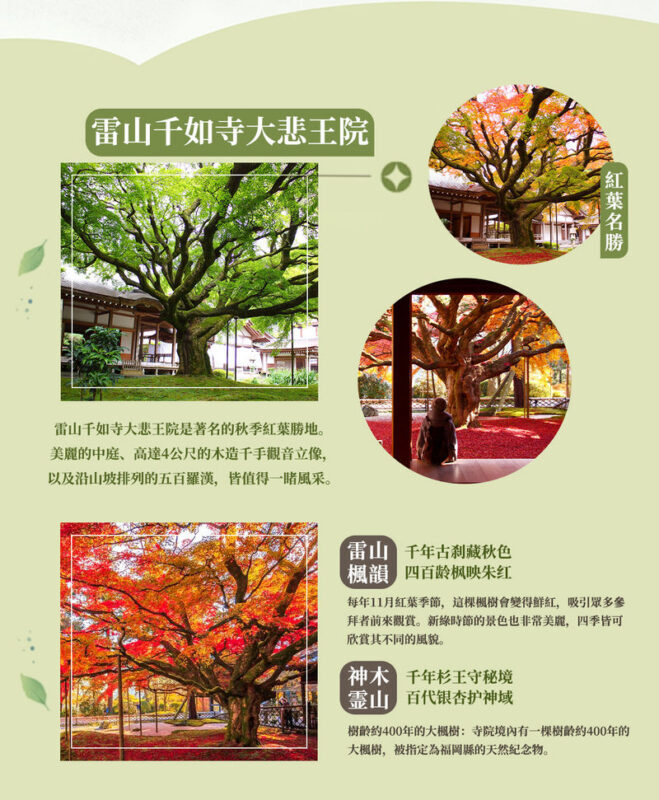
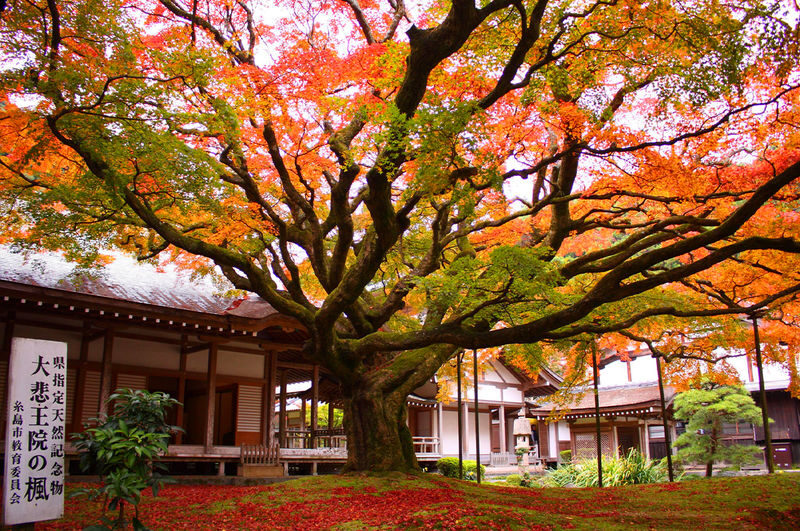
Next comes Raizan Sennyoji Daihio-in, a temple with a history of about a thousand years. The grounds offer a welcome shift from the waterfall’s rushing water to a more contemplative setting. You can pray or, if available, try sutra transcription. Keep your voice low, and do not use flash when taking photos.
The temple is especially appealing in autumn. A large ginkgo tree turns gold, while the surrounding foliage is usually best from early to mid-November. The exact color depends on the season, of course. If you are visiting outside autumn, the temple remains a cultural counterpoint to the coast, but the famous fall display will not be there.
Plan for roughly 30 to 40 minutes, with admission separate from the tour price. Adults pay 500 yen, while children of junior high school age and younger enter free. That extra cost is modest, but bring cash or confirm payment arrangements before arrival if you want to avoid a scramble.
You might also be interested in these Itoshima experiences
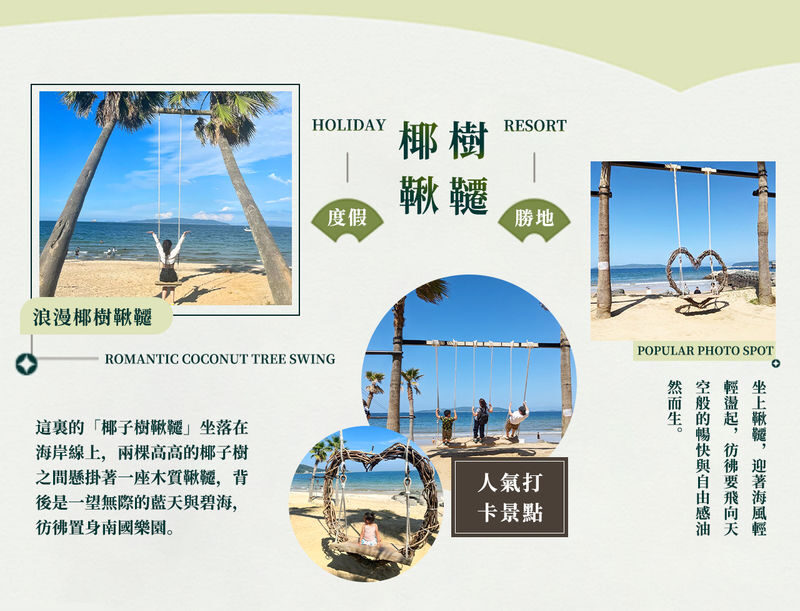
By around 12:20, the route reaches the Palm Tree Swing, a seaside photo stop with a wooden swing set between tall coconut trees. It is an easy, playful break after the morning’s forest and temple visits. The sea and sky provide the backdrop, and the swing is popular with couples and younger visitors.
The stop is brief and self-guided. If a line forms, you may have to choose between waiting for a turn and using your time to enjoy the shore. The swing is more about the setting and a fun photograph than a substantial activity, so keep expectations in proportion.
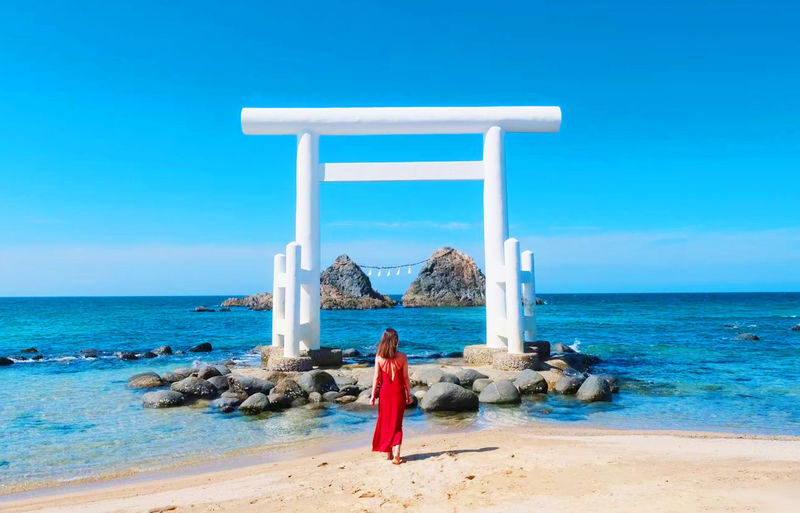
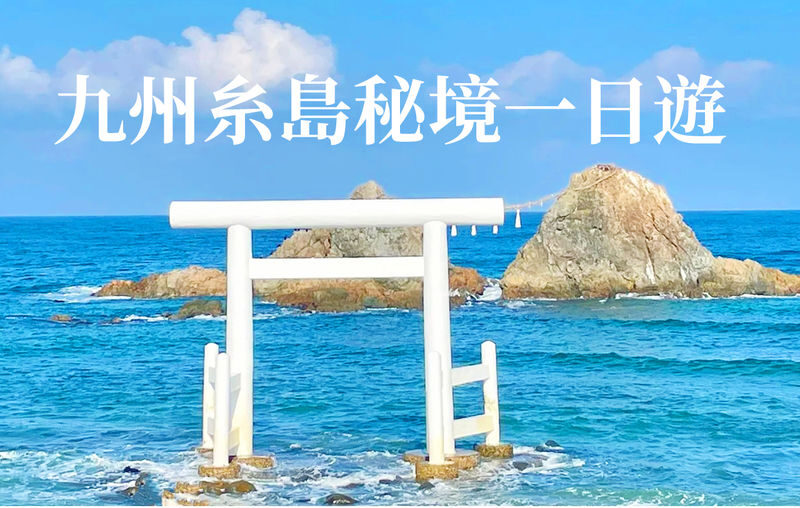
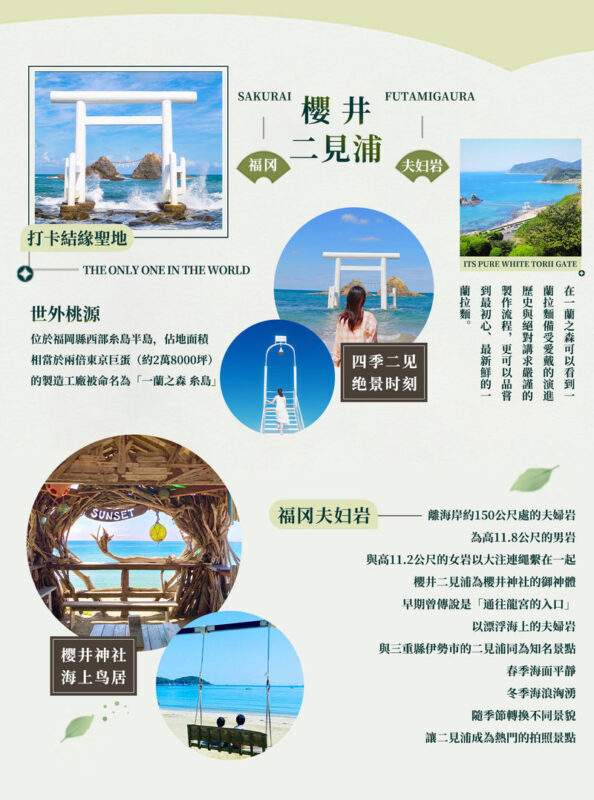
At about 1:10 p.m., you reach Sakurai Futamigaura and its Meoto Iwa, or wedded rocks. The two rocks sit offshore, linked by a sacred shimenawa rope, with a white torii gate on the shore. The site is associated with Sakurai Shrine, and its coastal view changes with the light and season. It is one of the day’s strongest stops for a classic Itoshima photograph.
You may also find nearby photo installations such as angel wings and a wooden nest. This is the main lunch window, with seafood halls and sea-view restaurants offering seafood and lighter Western-style meals. A fresh seafood bowl is a tempting choice, but don’t assume you have hours to linger. The schedule is tight enough that a busy restaurant or a queue for a popular photo can eat into your free time.
Some promotional descriptions mention waiting for sunset at the rocks, but the timed route reaches this area in the early afternoon and continues onward. Do not book this tour expecting a sunset visit. If golden-hour light at Meoto Iwa is your priority, make a separate trip with a more flexible schedule.
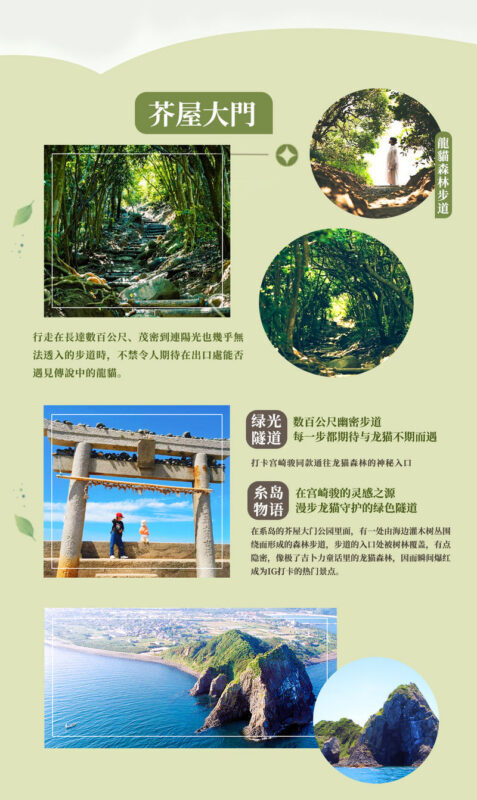
The afternoon brings you to Keya no Ohto, where a few hundred meters of wooded trail create the feeling of entering a green tunnel. It is often nicknamed the Totoro Forest Trail because of its enclosed, storybook-like look, and Totoro statues offer a playful photo stop. The walk is free and usually takes about 30 to 40 minutes.
This is a modest woodland stroll rather than a demanding hike. The shade is welcome, though the path can still be uneven or damp, so grippy shoes are useful. Light long pants can help protect against insects. If you are expecting a large forest or a long trail, you may find this stop smaller than the nickname suggests. Its appeal is the brief change of atmosphere and the contrast with the open coast.
The schedule also names Keya no Ohto and its surrounding park, but the short forest walk is the practical focus. Stay with the group’s timing: this is a shared vehicle tour, and the driver cannot make unscheduled stops between attractions.
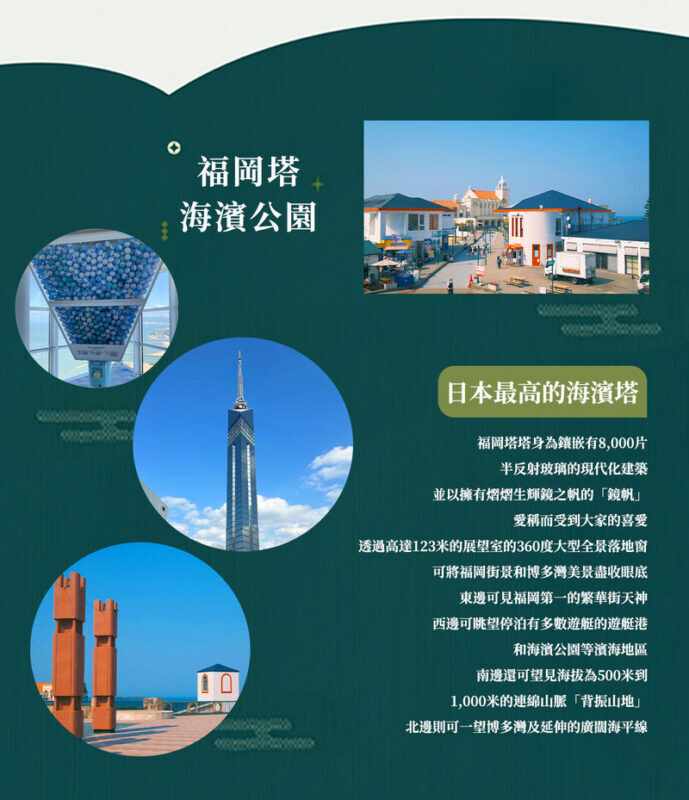
The final scheduled stop is Fukuoka Tower and Seaside Park, around 4:40 p.m. The tower rises 234 meters, with an observation deck at 123 meters and a 360-degree view over the city and coast. Its exterior includes about 8,000 pieces of glass, a striking sight even from ground level.
You have roughly 50 to 60 minutes in the area. Tower admission is not included, so decide whether the view is worth the extra charge for your plans and the weather that day. On a clear afternoon, the height gives you a broad look across Fukuoka and the shoreline. In poor visibility, the view may be less rewarding, and you can instead enjoy the seaside park.
There are seasonal substitutions to note. From June 29 to June 30, the tower visit is replaced by Hakata Port Tower. During cherry blossom season, usually late March to early April depending on bloom conditions, the route switches to Fukuoka Castle Ruins and Maizuru Park, and skips Fukuoka Tower and Seaside Park. If one of those stops is the reason you are booking, check the date-specific plan before paying.
The return is expected between 6 and 7 p.m. at Lawson Fukuoka Oriental Hotel, but traffic can change the arrival time. Avoid making firm evening plans that depend on getting back at a precise hour.
Starting at $44.25, the tour offers good value if you want to visit several scattered Itoshima sights without renting a car or navigating local connections. Round-trip transfers, tolls, parking and fuel are included. The price is not all-inclusive: you pay separately for the temple, tower admission, lunch and personal purchases.
Itoshima is spread out, and the main practical benefit here is the transport. A guide coordinates the stops and keeps the day moving, while you get to look out the window rather than study directions or parking signs. That is a real advantage for a first visit, particularly if you do not drive in Japan.
The group size ranges from two to 20, but the vehicle depends on the number of people booked. A smaller car may be used, with the driver also acting as guide. That can make the day more flexible, but the commentary may be brief and space is limited. Large suitcases and strollers are not suitable; each passenger may bring one piece of luggage, with excess luggage subject to a 2,000-yen fee per piece and vehicle capacity.
The guide may communicate in Chinese and English or use simple multilingual explanations. English ability can vary by guide and group, so if detailed English commentary is essential, confirm before booking rather than assuming every guide will provide the same level. Guides named on recent departures include Thomas, Miki and Zhang Qing, but assignments change.
Six main stops in nine hours make for an efficient sampler, but the day can feel busy. You will be getting in and out of the vehicle, walking short sections, taking photos and keeping an eye on meeting times. The schedule is described as easygoing, yet the practical reality is that every stop has a clock attached.
The most common pressure points are lunch and Meoto Iwa. If you like browsing menus, lingering over a meal or waiting for a popular photo angle, you may feel rushed. On the other hand, the structure helps you see a wide range of places without planning each transfer yourself. Guides often give food suggestions and help with group photos, which can be especially useful if you are traveling alone.
Weather matters. Rain can make the falls and forest path slippery, while strong wind is possible at the tower and along the coast. Bring a light jacket, sun protection in summer, and warm layers in winter. The operator may adjust the route because of weather, traffic or crowds, and may skip attractions if conditions or capacity require it. This is not a day to schedule a flight or a timed evening event immediately afterward.
I would choose this tour if you have one day for Itoshima, want a mix of nature and coastal scenery, and value convenient transport over having full control of the schedule. It suits couples, friends and families who are comfortable with several short walks and a steady pace. The waterfall, temple, coast and forest give the day enough variety that it does not feel like a string of identical photo stops.
I would look for a slower or more focused outing if you want a long hike, an unhurried seafood lunch, sunset at Meoto Iwa or extended time at the temple. At this price, the transport and range of stops make a fair deal, especially if you would otherwise need to arrange a car. Book for convenience and variety, not solitude or total freedom.
“The tour guide was friendly and attentive, and we were satisfied with the itinerary.”
It departs at 9 a.m. from a meeting point near Fukuoka Hakata Station. Arrive 10 minutes early. Vehicle and guide details are sent by email between 4 and 10 p.m. Japan time on the day before departure.
The planned return point is Lawson Fukuoka Oriental Hotel, usually between 6 and 7 p.m. The actual time depends on traffic and the day’s schedule.
The tour runs for about nine hours, from approximately 9 a.m. to 6 p.m., though the return may be later depending on road conditions.
Round-trip transfers, toll fees, parking fees and fuel are included. Temple admission, Fukuoka Tower tickets, meals and personal expenses are not.
Admission is 500 yen for adults, defined as high school students and older. Children of junior high school age and younger enter free.
No. From June 29 to June 30, the visit changes to Hakata Port Tower. During cherry blossom season, usually late March to early April, the route visits Fukuoka Castle Ruins and Maizuru Park instead and does not visit Fukuoka Tower or Seaside Park.
No. Lunch is at your own expense. Seafood halls and sea-view restaurants near Meoto Iwa offer seafood and Western-style light meals.
Wear non-slip sports shoes or hiking boots for Shiraito Falls and the forest trail. Light long pants can help prevent insect bites. Bring a light jacket for coastal wind, sun protection in summer, and warm clothing in winter.
Large luggage and strollers may not fit in the vehicle, particularly when a small car is used. Each passenger may bring one piece of luggage; additional pieces may incur a 2,000-yen fee each and depend on available space. Child seats are not available.