Physical Address
304 North Cardinal St.
Dorchester Center, MA 02124
Physical Address
304 North Cardinal St.
Dorchester Center, MA 02124

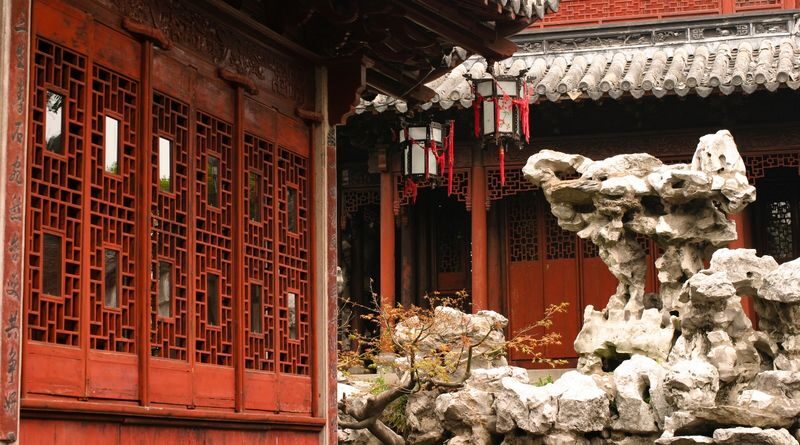
Plan a visit to Shanghai’s Yu Garden, with Ming-era courtyards, ponds, rockeries, and practical tips on tickets, timing, crowds, and value.
Yu Garden offers a welcome change of pace from Shanghai’s high-rise streets: inside its walls, you can wander past ponds, rockeries, leafy corners, and traditional buildings on a scale that rewards a slow stroll. I like the contrast between this old private residence and the modern city around it, and I like that a basic ticket is an inexpensive way to see one of Shanghai’s classical gardens.
The catch is space. The garden’s paths are narrow, and crowds can make its small courtyards feel busy, especially on weekends and public holidays. Go early if you can, and remember that the famous zigzag bridge and the old-street bazaar are outside the paid garden.
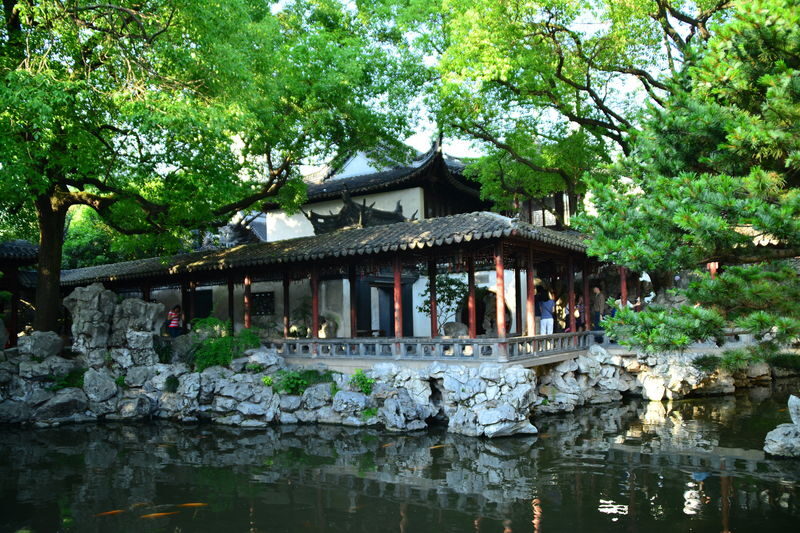
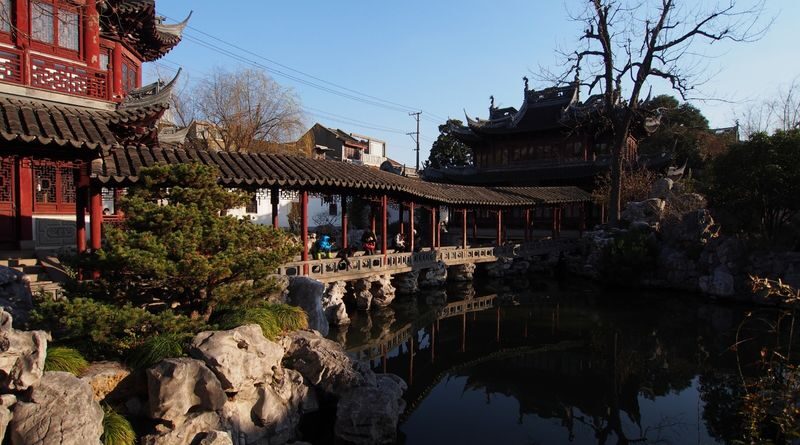
Shanghai can feel all glass, traffic, and forward motion. Yu Garden offers a different rhythm: a sequence of small spaces where you can pause to look at plants, water, stonework, and traditional architecture. It is not a large park where you set off for a long walk. Think of it as a carefully arranged garden visit, with a steady change of views around each turn.
The garden was originally a private residence during the Ming Dynasty. That history helps explain its intimate scale. Rather than one grand vista, you encounter courtyards and details, including ponds, rockeries, greenery, and buildings that frame each view. The setting is designed for looking closely, not rushing from one headline sight to another.
You may also see paintings and calligraphy associated with the garden’s architectural spaces, including the Depository of Books and Paintings. The attraction information does not spell out exactly what is on display during every visit, so treat this as part of the garden’s cultural character rather than a guaranteed exhibition.
You might also be interested in these Shanghai experiences
There is no fixed guided itinerary with the standard admission ticket. You enter and explore at your own pace, following the garden’s paths through its traditional buildings, plantings, and waterside views. Allow about one to two hours, as suggested for the visit, though your pace and interest in photographs will affect the timing.
The paths are narrow in places, and the garden is smaller than some first-time visitors expect. That can be a plus if you want an easy stop in central Shanghai, but it also means a crowd can affect the experience quickly. When several groups gather in a tight passage, it can be hard to linger over a view or take a clear photograph.
Look for the contrast between the built details and the natural elements. A pond, a rockery, or a patch of greenery can make a small courtyard feel separate from the city outside. The garden is well cared for, but its appeal is not sheer size. It lies in the succession of close-up scenes and the way traditional architecture gives them shape.
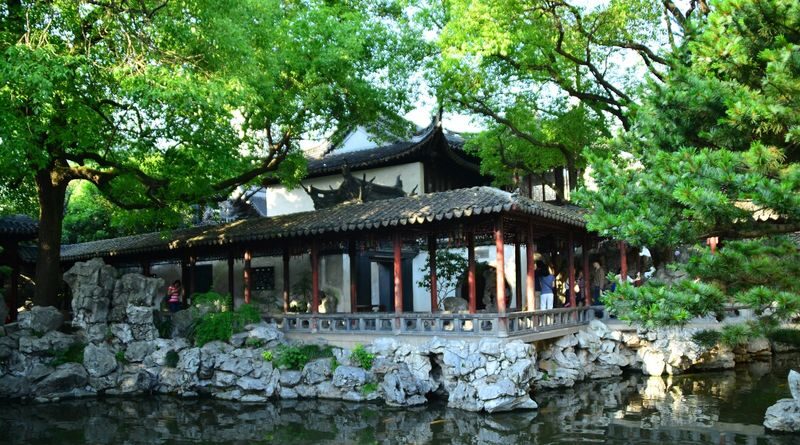
Yu Garden sits beside a popular old-street area, and it is worth leaving time for both. The bazaar streets and the famous zigzag bridge are outside the ticketed garden, so you can see them without buying garden admission. They provide a lively contrast to the quieter atmosphere behind the garden walls.
This distinction matters when deciding whether to pay for entry. Some visitors find the exterior streets and bridge are the highlight, while others enjoy the garden’s inner courtyards and architecture. If your time is short, you can see the outer area first and then decide whether the paid garden adds enough for you. If you do enter, remember that re-entry is not allowed once you leave.
The surrounding bazaar can also extend your visit beyond the one-to-two-hour garden stop. It is a useful place to take a break after walking the narrow paths, though meals and drinks are not included with the admission ticket.

Early morning is the strongest choice if you want a calmer walk. Several visitors who went early found the garden began to get busier as the morning went on. Weekends, Golden Week, and other public holidays can bring heavier crowds, and narrow paths make those busy periods more noticeable.
Rain does not necessarily spoil the visit. A wet day can add atmosphere to the traditional garden setting, but it may also mean more people sharing limited indoor or sheltered space. If weather or crowd levels matter to you, keep your expectations flexible and focus on the details rather than expecting long stretches of solitude.
Check the session time printed for your chosen ticket. The activity information gives differing afternoon hours in different places: one section lists 12:45 to 15:00, while the admission instructions list 12:30 to 16:00. The morning session is listed as 9:00 to 12:30. Use the time shown on your voucher as the practical guide, and do not assume you can enter outside your selected date or session.
The basic ticket is good value if you want to see the garden itself. Adult admission is listed from US$4.49, while child and senior tickets are listed from US$2.25. A headline price elsewhere starts at US$2.49, so the amount you pay depends on the ticket option and eligibility. Check the price for your selected package before confirming.
The standard ticket covers one admission. It does not include hotel pickup or drop-off, meals, beverages, insurance, or personal expenses. You are paying for access to the garden, not a guided tour or a full day of activities.
Some visitors find the garden small enough that the outside bazaar feels like sufficient sightseeing. That is a fair point if you are watching your budget or have little interest in traditional gardens. For anyone curious about Ming-era garden design, the admission cost is modest, and the chance to step into a historic, carefully arranged setting gives the ticket a clear purpose.
The simplest part of the visit is usually entry: open the admission QR code linked through your voucher and scan it at the entrance. Take care to show the actual garden admission code, not just the booking voucher code. If the code is not obvious, check the trip details in the booking app.
Bring the original valid identification document or passport used for the reservation. The ticket information says identity details are subject to a unified purchase limit across platforms, with one copy per valid document on the same use date. Avoid placing duplicate bookings with the same identity details, as this can cause submission problems.
QR codes may not appear immediately after you book. They can be issued closer to the visit, and some bookings update with the code about a day before the selected date. Same-day bookings have sometimes arrived in time for entry, but do not build a tight schedule around an instant code. The activity allows booking as soon as the next day and gives a 48-hour confirmation window, so leave room for the confirmation process.
Free cancellation and amendments are available up to 48 hours before the activity date, subject to the stated conditions. The voucher is valid only on its selected date and time, and you cannot re-enter after leaving the garden.

If you want more context than a self-guided visit provides, ticket options include a Chinese- and English-language private guide service and an explanation by a renowned expert. These are separate package choices, not part of standard admission. Check the exact inclusions before booking, since the basic ticket does not promise a guide.
Hanfu packages combine traditional clothing rental with makeup and hairstyling, and some include a photoshoot and a set number of retouched images. Other options include the raw photo files or a smaller number of edited photos. These packages can turn the garden visit into a dress-up and photography outing, but they are a different kind of experience from a simple walk through the grounds.
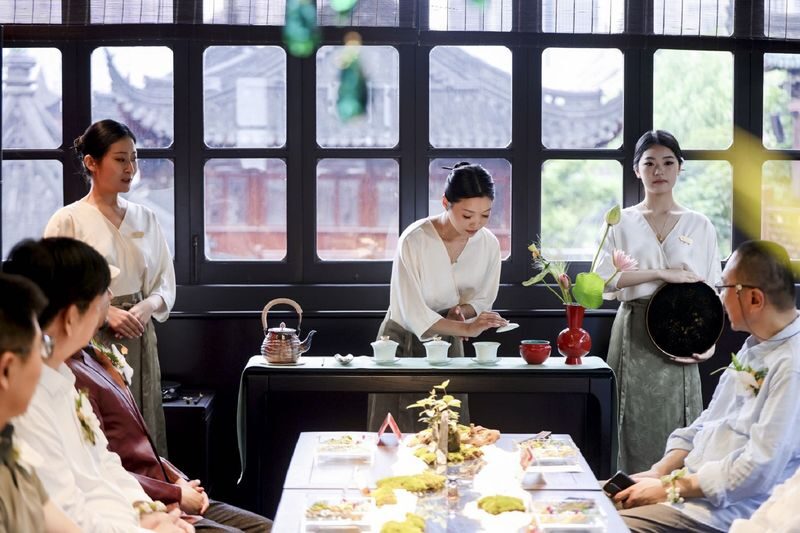
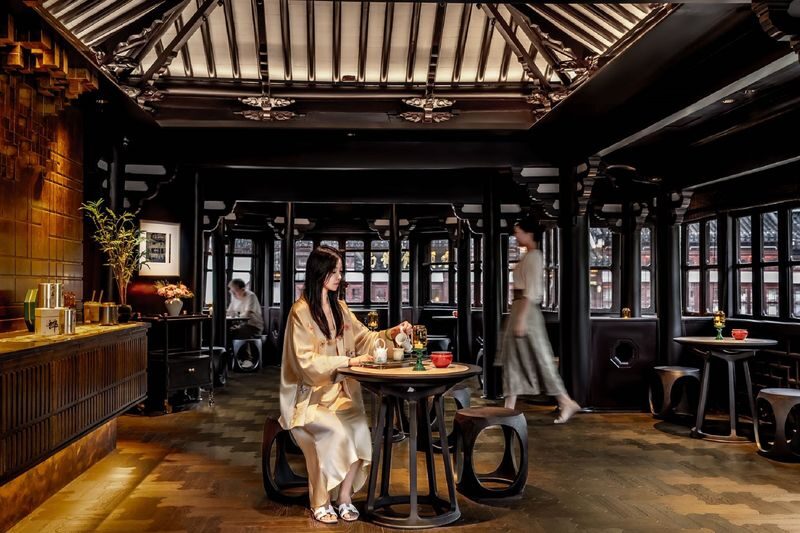
A tea set meal package is also listed with garden admission. A Huangpu River cruise and the Sleep No More show appear among suggested activities, but they are not included in the standard Yu Garden ticket. Treat them as separate plans, with separate booking and costs.

Yu Garden suits you if you want a short, visually varied stop in central Shanghai and enjoy traditional buildings, plants, ponds, and garden details. It is also a practical choice for families looking for an outing that does not require a full day. Restrooms are available around the site, though the narrow paths and crowds may make moving at a relaxed pace harder at busy times.
It may be less satisfying if you expect a vast park, a long peaceful walk, or an included guide to explain every feature. You can still see the garden quickly, but the experience depends on slowing down enough to notice the architecture and small changes from one courtyard to the next.

Book it if you are interested in classical Chinese gardens and want an affordable, easy-to-fit-in visit with a strong contrast to Shanghai’s modern streets. Go early, keep your admission QR code and ID ready, and leave time for the bazaar and zigzag bridge outside the paid entrance.
Skip the ticket if your main interest is the old-street atmosphere or the bridge alone, since those are outside the garden. If you do enter, arrive with realistic expectations: Yu Garden is compact, sometimes crowded, and best appreciated for its details rather than its size.
“Unlike other tourist attractions in Shanghai, the old street appearance and the well-maintained garden were wonderful to see. Getting the QR code f…”
Plan about one to two hours for the garden. Allow extra time if you also want to explore the surrounding bazaar.
The entrance address is No. 168 Fuyou Road, Huangpu District, Shanghai.
The morning session is listed as 9:00 to 12:30. Afternoon hours differ across the supplied ticket information, so check the session printed on your voucher.
Open the admission QR code linked in your voucher and present it at the entrance. Bring the original valid ID or passport used for the booking.
No. The voucher is valid only on the selected date and, if applicable, the selected time.
No. Re-entry is not allowed after you leave the venue.
No. Hotel pickup and drop-off, meals, beverages, insurance, and personal expenses are not included in the standard ticket.
The standard admission is for entry to the garden. Private guide and expert explanation options are listed separately.
Yes. Follow the official WeChat account of Shanghai Yu Garden Public Service Account, then select Guide and Audio Guide. Bluetooth and GPS need to be on for location services.