Physical Address
304 North Cardinal St.
Dorchester Center, MA 02124
Physical Address
304 North Cardinal St.
Dorchester Center, MA 02124

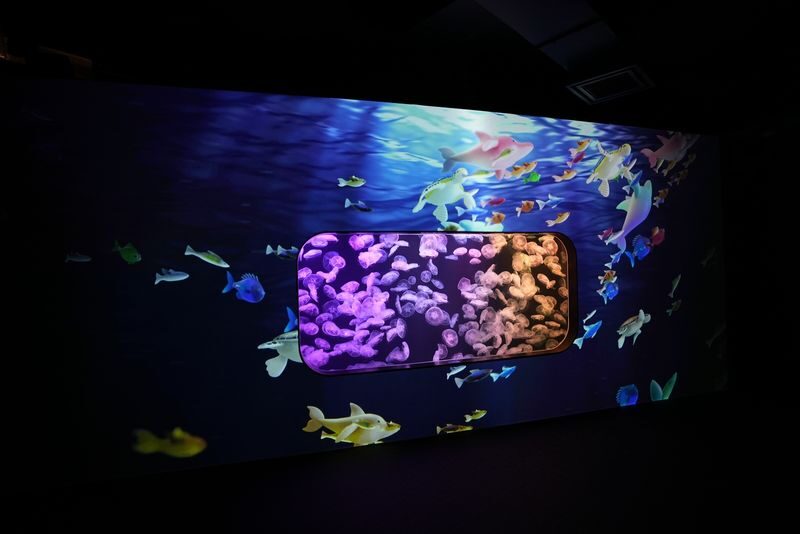
See jellyfish, try VR and MR games, and let young children play at Hong Kong’s compact Cube O Discovery Park in Tsuen Wan.
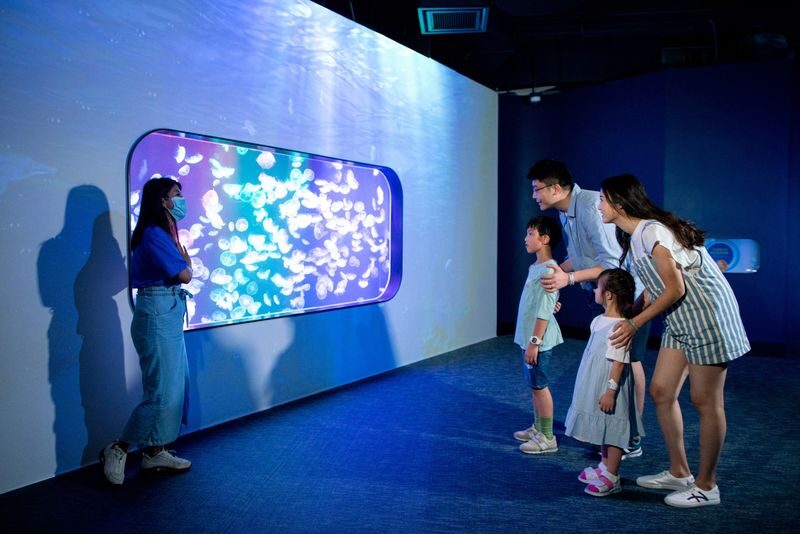
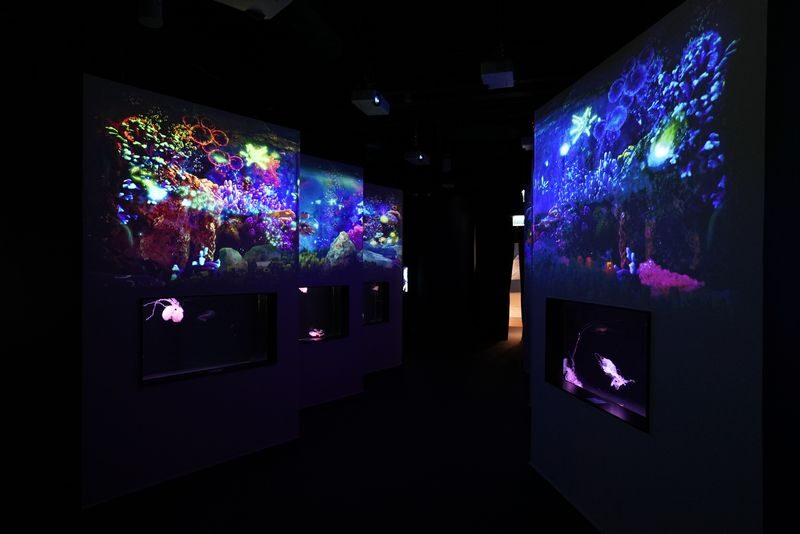
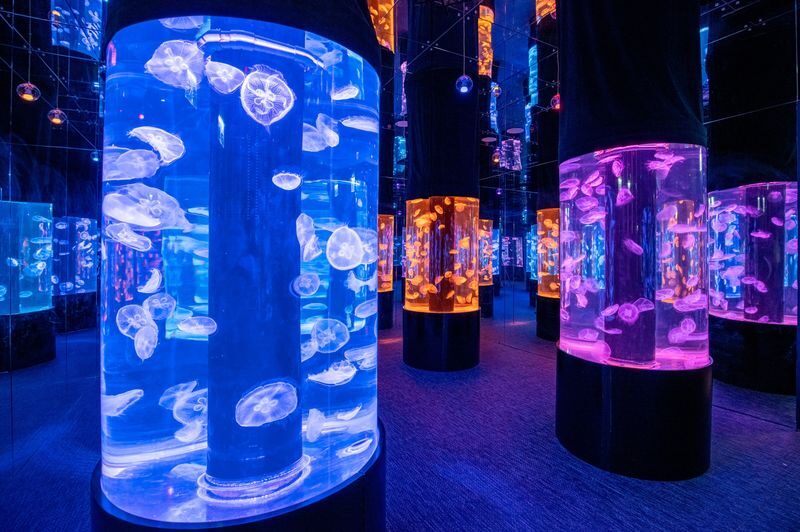
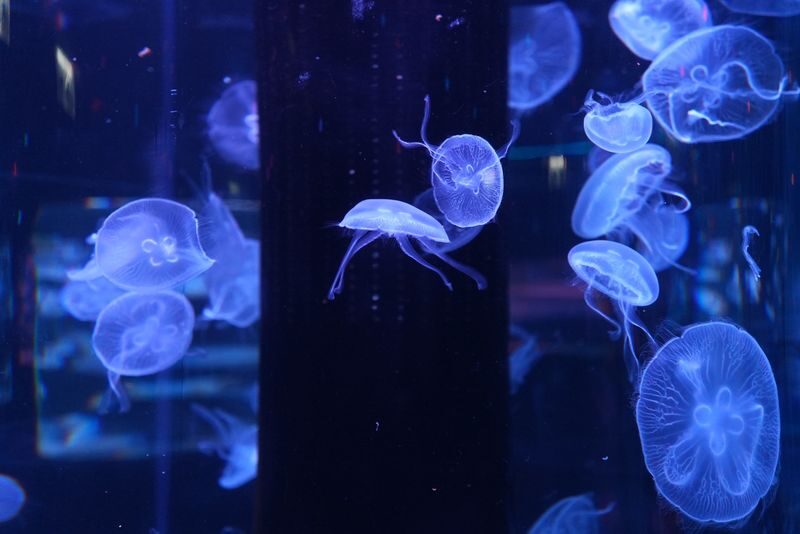
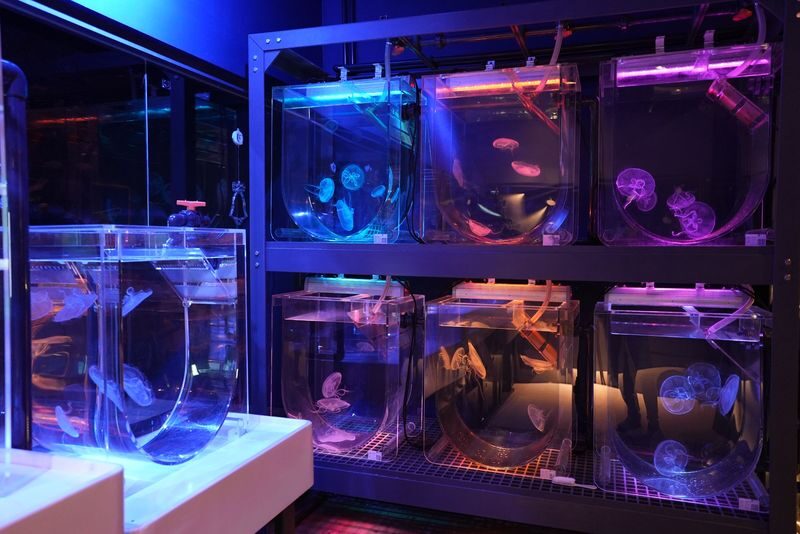
At Cube O Discovery Park, jellyfish are the main event. You’ll see them in themed displays, including a kaleidoscope-style zone and an acrylic-window projection that combines live marine life with light effects. I like that this is more than a row of tanks: the projection and interactive games give children different ways to engage with the subject.
I also like the guided jellyfish learning, which can cover their anatomy, life cycle, feeding and care. The main trade-off is size: this is a compact attraction, not a full-scale aquarium, and some families finish the displays in about an hour. The ticket makes more sense if you’ll use the play area and join the science activities.
Cube O Discovery Park is at Plaza 88, 8th Floor, 88 Yeung Uk Road, Tsuen Wan, in Hong Kong’s New Territories. Tsuen Wan West Station, Exit D, is about an eight-minute walk away. The location makes it a practical indoor stop if you’re already in the district, but it is not a large attraction that needs a full day set aside.
You’ll need to show your mobile voucher at the venue and redeem a wristband in the lobby. Arrive about 20 minutes before the session start time. The ticket is valid only on the date selected, so don’t treat it like an open-ended pass.
Opening hours are listed as 10:30 a.m. to 6 p.m. every day, including weekends and public holidays. Hours can change, so check the park’s official information before setting out. The venue suspends activity during a black rainstorm warning or Typhoon Signal No. 8 or above. It operates during yellow or red rainstorm warnings and Typhoon Signal No. 3 or below.
You might also be interested in these Hong Kong experiences
The visit is presented as a marine exploration tour and a marine science education journey. The attraction’s individual areas are close together, so the experience is less about following a long route and more about stopping at a series of displays and activities.
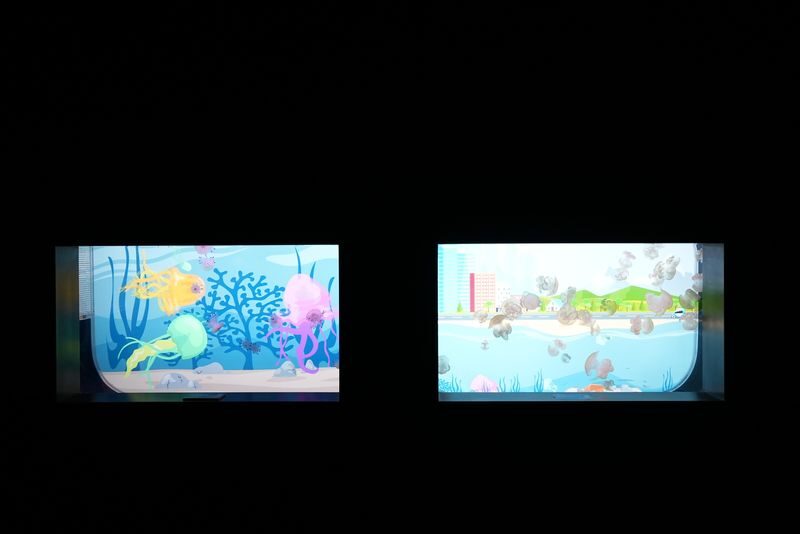
Start with the aquarium and themed zones. Jellyfish are the star: their shapes and movement make for striking viewing, and the Dreamy Jellyfish Kaleidoscope is designed around their colour and light. The Ocean View Panorama and light-and-shadow projection offer a more theatrical way to look at marine life. The projection uses real animals alongside visual effects, so it differs from a standard aquarium window.
That approach has a limit. If you’re expecting a large collection of fish and other sea creatures, you may find the selection narrow. The attraction’s main strength is its focus on jellyfish, not the breadth of a major public aquarium. Viewing windows are also designed with children in mind, and some taller adults may find that certain displays sit low.
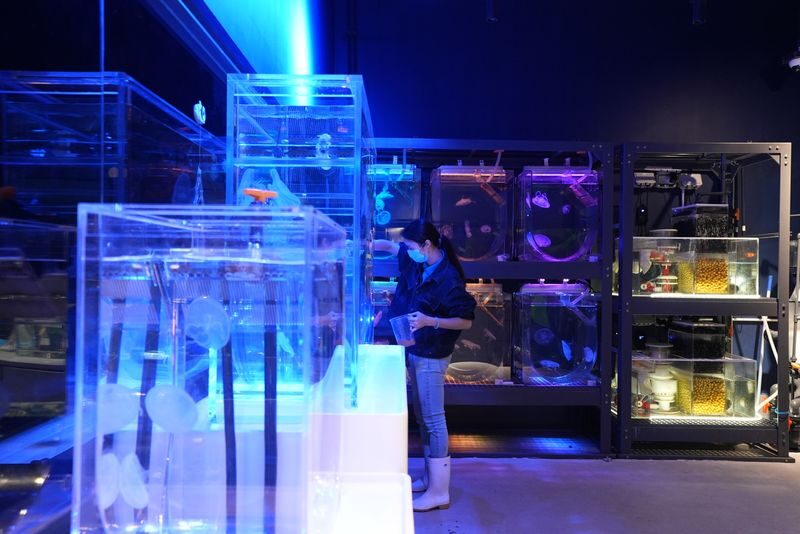
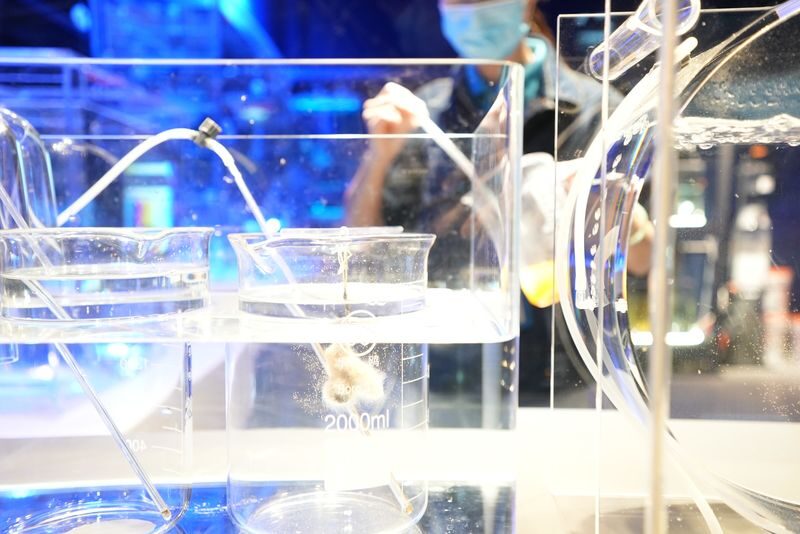
The science component can make a short visit more worthwhile. Staff may explain jellyfish anatomy, growth stages, habits and species, and connect those details to food chains and ecological balance. The tour can also cover how tanks are designed for jellyfish, why filtration matters, and how brine shrimp are raised as food.
A scheduled feeding is one of the more memorable parts. You may see staff feed the jellyfish while explaining what they eat and how their care works. The feeding times are set, however, and the start of the guided session may not be obvious when you arrive. Ask at the entrance or reception when the next explanation begins. That small question can prevent you from wandering through the exhibits and missing the activity you came for.
The quality of the visit can depend on how much explanation is available on the day. Some staff introductions are described as brief, while other sessions are detailed and adapted for young children. If marine science is a priority, make time to join the guided portion rather than relying on exhibit labels alone.
After the tanks, the VR and MR games give children a change of pace. The activities use virtual and mixed reality to put visitors into ocean-themed scenarios, with the idea of exploring as a small fish. They are interactive additions, not a substitute for a large arcade or a long virtual-reality attraction. The equipment is also shared, so if cleanliness is a concern for your family, check with staff about its cleaning routine before using it.
The indoor play area is a major part of the family appeal. It gives younger children somewhere to climb and burn off energy while adults take a break from watching tanks. The playground is generally aimed at small children, especially toddlers and preschoolers; older children may find the facilities less engaging. One caution: supervision and upkeep have not always been consistent. Keep an eye on little ones, particularly if bigger children are running around the same space.
The park is stroller- and wheelchair-accessible, which makes it easier to visit with young children or anyone who needs step-free access. Outside food and drinks are not allowed, and meals and beverages are not included in the ticket. Plan accordingly, especially if you’re visiting with children who need a snack.
The two-hour Marine Exploration Tour plus Marine Science Education Journey starts at US$19.39. A day-pass option for the same general combination starts at US$21.40. Prices can change, and the package names matter: check what is included in the option you select rather than assuming every activity or extra exhibit comes with every ticket.
For a family with young children, the lower-priced package can be reasonable if you use the guided learning, jellyfish exhibits, games and play area. The value falls if you’re mainly interested in seeing a large range of marine animals. The venue is small, and a quick walk through the displays can take less than the stated two hours if you skip the tour and playground.
Some visitors have paid separately for a reptile area, but it is not listed among the standard ticket inclusions. Don’t count on seeing reptiles or other small animals unless the ticket details for your date specifically confirm access. The same practical rule applies to any extra activities: check at the venue before building your visit around them.
There are no refunds, cancellations or amendments once tickets are sold. A weather-related closure under the stated severe warning conditions is an exception: affected ticket holders can contact Klook to reschedule or request a full refund. That is a narrow exception, not a general change-of-plans option, so choose your date with care.
Cube O is best for families with children who are curious about sea life and still enjoy a small indoor play space. The short format works well as a rainy-day activity or a compact outing in Tsuen Wan. Children who like jellyfish, guided explanations and hands-on digital activities have more to do than children who expect a sprawling aquarium with many animal habitats.
Adults can enjoy the science side too, especially if a staff member is leading a detailed explanation. But the low viewing points, limited scale and child-centred play facilities mean that adults without children should book for a specific interest in jellyfish or marine education, not as a general aquarium visit.
Before buying, decide which part matters most to your group. If it’s the guided tour, ask about its timing when you arrive. If it’s the play area, allow time for children to use it, and keep a close eye on them. If it’s a broad collection of marine animals, this may not be the right stop.
Book if you want a modest, indoor family activity centred on jellyfish, with a chance to learn about their care and give young children some playtime. At the starting price, it can be a pleasant two-hour outing when you take part in the guided session and use the interactive areas.
Skip it if you expect a large aquarium, extensive animal displays or enough attractions to fill a full day. Cube O’s appeal is its focused subject and family-friendly mix of activities, not its size. Check the package, date and current opening information before paying, and ask staff about tour timing and any extra exhibits once you arrive.
“The staff were polite and explained everything thoroughly, which allowed me to enjoy the entire experience. Thank you! Originally, I was a little w…”
The experience is described as lasting one to two hours. Two hours gives you time for the displays, guided science activities and children’s play area, though the aquarium section alone may take less time.
It is on the 8th floor of Plaza 88, 88 Yeung Uk Road, Tsuen Wan, New Territories, Hong Kong. Tsuen Wan West Station, Exit D, is about an eight-minute walk away.
The stated hours are 10:30 a.m. to 6 p.m. Monday through Sunday, including public holidays. Hours may change, so check the Cube O official website before your visit.
The listed inclusions cover admission to Cube O Discovery Park and Oceanic Playground, VR and MR multimedia games, marine-life viewing, themed zones and the marine science education journey. Check your selected package for its precise terms.
Jellyfish feeding is included as part of the marine science education journey, during designated times. Ask staff when the next feeding or guided explanation will take place.
Children aged 0 to 1 enter free, and children aged 0 to 15 must be accompanied by a paying adult. The play area is especially suited to younger children.
No. Outside food and drinks are not allowed, and meals and beverages are not included in the ticket.
Tickets are non-refundable, non-exchangeable and cannot be amended once sold. If the activity is suspended because of a black rainstorm warning or Typhoon Signal No. 8 or above, affected ticket holders can contact Klook to reschedule or request a full refund.