Physical Address
304 North Cardinal St.
Dorchester Center, MA 02124
Physical Address
304 North Cardinal St.
Dorchester Center, MA 02124

Visit Gyeongju from Busan on a guided day trip linking Bulguksa, royal tombs, a bamboo forest, hanok streets, and Woljeonggyo Bridge.
Gyeongju’s appeal is the way ancient royal tombs, temple courtyards, and a centuries-old bamboo grove fit into one day from Busan. This trip trades the puzzle of arranging distant sights and transport for a guided route through the Silla capital, with a stop at Bulguksa and time among the city’s old and new streets.
I like the mix of major heritage sites and everyday local culture, including Gyochon’s traditional rice-cake pounding and the cafes along Hwangridan-gil. I also like that guide names such as Erica, Joy, Hans, and Yaho recur in accounts of clear explanations, photo help, and lively storytelling.
The catch is the pace: this is a long, shared-coach day, not a small-group stroll, and traffic or crowds can squeeze time at individual stops. Ahopsan Forest and optional entry to Donggung Palace and Wolji Pond cost extra, so the advertised starting price is not the full cost of every possible visit.
Gyeongju is often called a museum without walls, and the phrase makes sense once you leave the city center. Royal burial mounds rise from grassy grounds, temples preserve the scale and craft of the Silla era, and traditional houses sit alongside modern cafes. The tour makes a broad introduction to those different layers in a single day from Busan.
The practical draw is transportation. Gyeongju’s attractions are spread out, so reaching them all independently takes planning and time. With round-trip transfers, tolls, parking, and a guide included, you can focus on the places rather than on navigating between them.
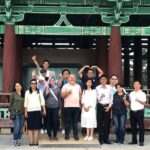
Still, this is not a quiet private outing. Join-in participants may have booked through different channels, and the coach group can be large. Guides such as Erica, Joy, Hans, and Yaho have been singled out for clear explanations, warmth, humor, and help with photos. That personal touch can make a busy day feel easier, though the experience depends in part on the guide and the conditions on the road.
One detail deserves a careful look before booking: the short summary gives a duration of one hour, but the actual schedule starts around 08:10 and returns to Busan from about 19:00 to 19:50. Plan for a full day, with the exact end time affected by traffic and weather.
Looking for more options in Gyeongju? Here are some other experiences worth considering.
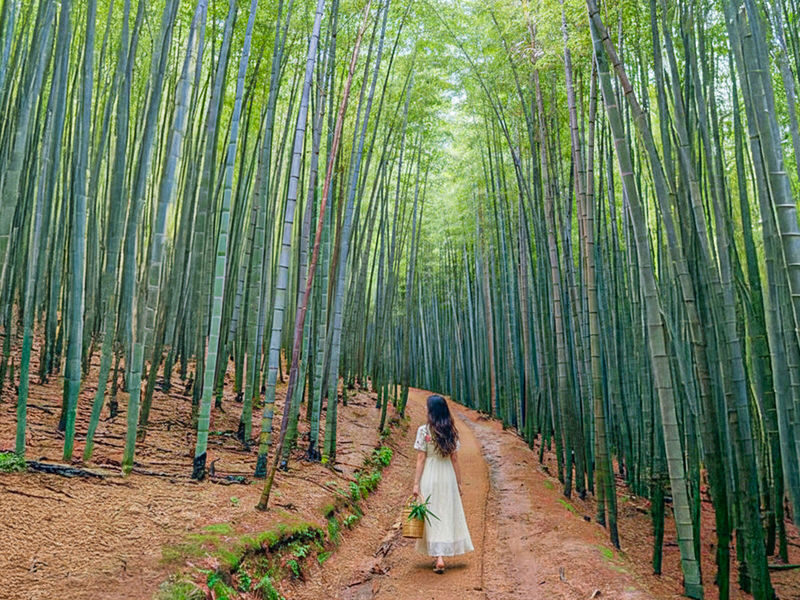
The first major stop is Ahopsan Forest, a private bamboo grove said to be about 400 years old. Tall bamboo creates a striking setting, and the grove is known as a location for Korean television dramas. If you enjoy film locations, quiet nature walks, or simply a change of scene before the historical sites, it is a distinctive way to begin.
Admission is not included, so factor in an extra charge. The tour information does not state the fee, so check the current amount before you go. This is also a nature stop rather than a Silla monument; if your main interest is archaeology, it may feel less essential than Bulguksa or Daereungwon.
A one-hour lunch break is planned, though its timing can shift with the day’s conditions. Meals and drinks are not part of the price. Tell the guide in advance about allergies, vegetarian needs, or religious dietary restrictions so they can take them into account.
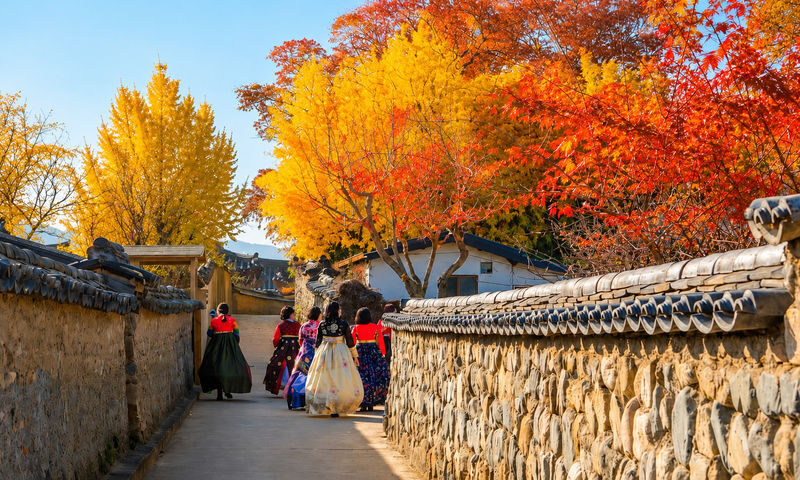
Gyochon Hanok Village brings the pace down from the coach ride. The village is associated with Silla heritage and the Choi family’s values, and the experience includes traditional rice-cake pounding. That hands-on moment adds a human scale to a day otherwise shaped by temples, tombs, and scenic views.
The village is also a reminder that history is not only a collection of grand buildings. The older architecture and family stories help put local customs in context. Some activities or sites may be skipped if capacity or weather gets in the way, so treat the planned stops as a route that can change rather than a guarantee that every element will happen.
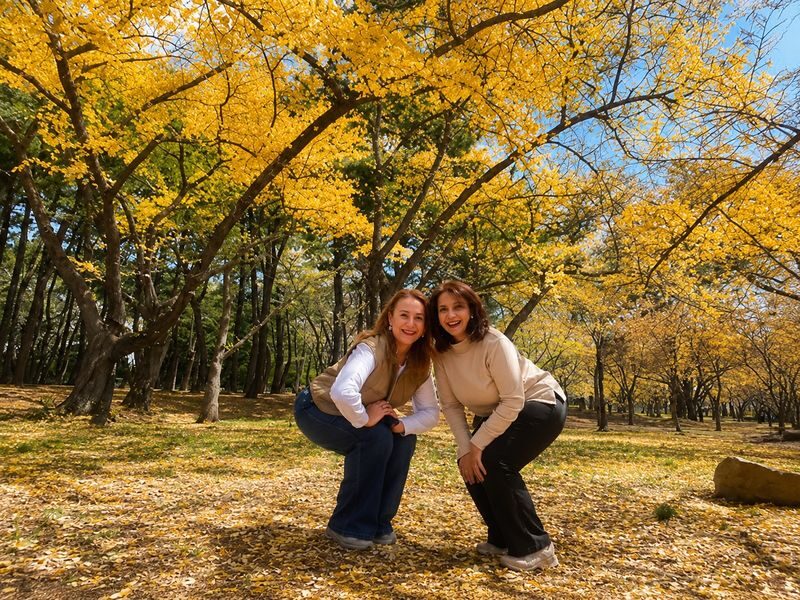
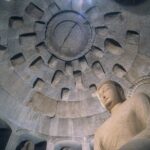
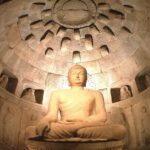
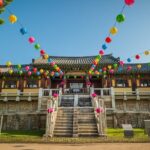
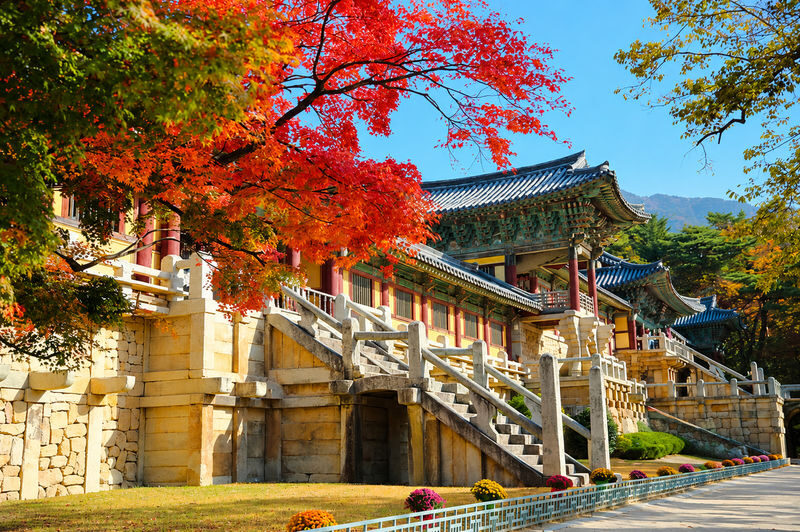
Bulguksa is one of the day’s central stops and a UNESCO World Heritage Site. Its Silla-era Buddhist architecture is known for stone structures and careful design. A guide can help you see more than an attractive temple setting, explaining why the site matters and what details to notice.
This is the sort of place where a guided visit can earn its keep. You can walk through on your own, of course, but historical context helps connect the architecture to the kingdom that built it. Guides including Joy and Erica have been praised for clear, engaging explanations, while Hans and Yaho are also noted for making history approachable and lively.
Expect a group visit, not an extended private study of every building. The day covers several major sites, and traffic or crowds can affect how long you have at each one. If you want to linger over temple architecture, consider whether you would be happier dedicating a separate day to Gyeongju.
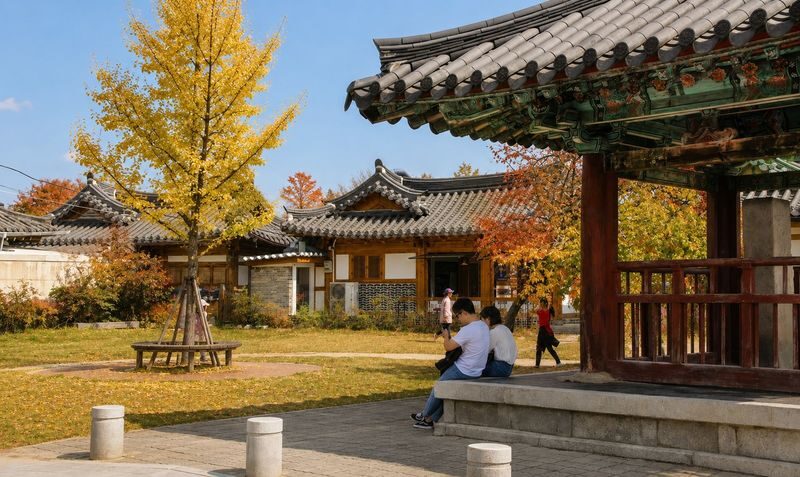
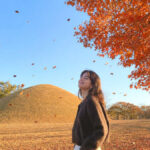
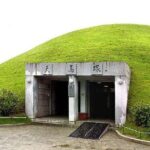
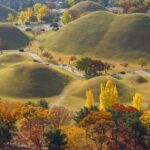
The route includes Daereungwon Royal Tombs, one of Gyeongju’s defining sights. The grassy burial mounds give the area an unusual, spacious character, and they point to the power and customs of the Silla rulers buried there. The emerald-green grounds also make a fine contrast with the more intricate temple architecture.
Nearby, Hwangridan-gil offers a newer face of the city. Hanok-style cafes and shops bring a contemporary feel to traditional-looking buildings, a mix sometimes described as New-tro. It is a useful contrast after the tombs: Gyeongju is not only a place to look backward, but a city where old forms keep finding new uses.
There may be time to browse and take photographs, but this is still a multi-stop day. Some attractions can be skipped because of capacity or weather, and there is no promise of a long free-roaming spell in each neighborhood. If cafes and shopping are a priority, you may want to return to this area independently.
The route may also include the Gyeongju National Museum. For those skipping the museum, Donggung Palace and Wolji Pond is offered as an alternative, with an on-site admission charge of 3,000 won. Confirm which option is planned for your date, and budget for the extra fee if you choose the palace and pond.
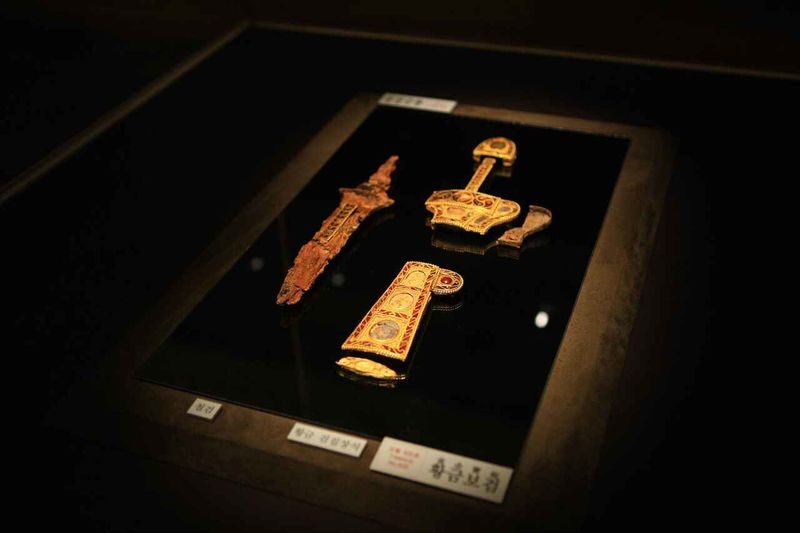
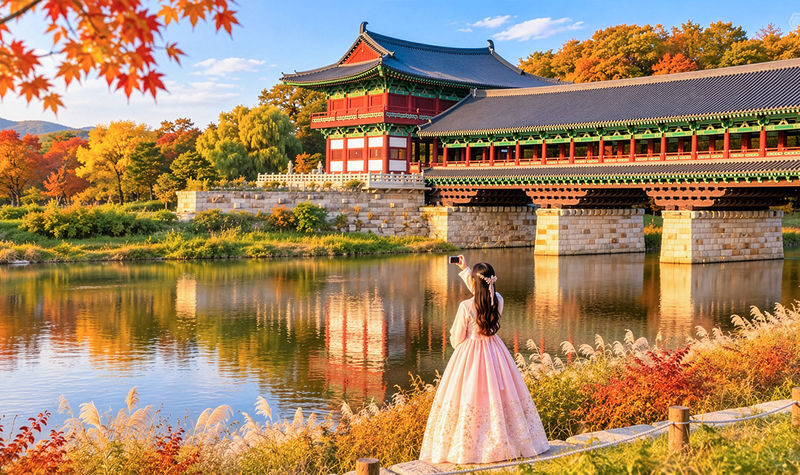
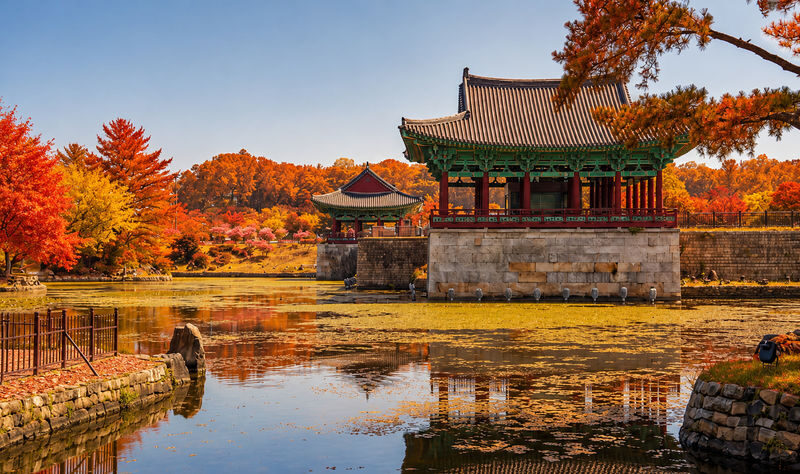
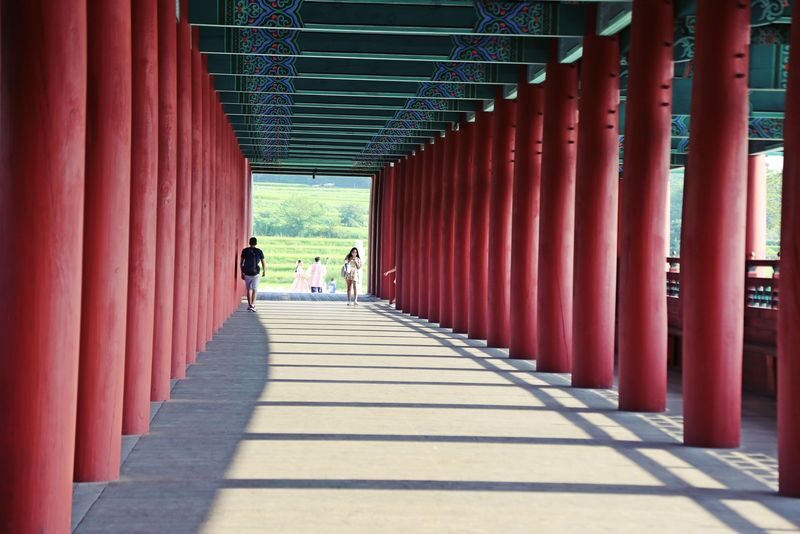
Woljeonggyo Bridge is scheduled for about 17:00. Its elegant wooden structure and riverside position make it a fitting final stop after a day of temples and tombs. You can take a leisurely walk and photograph the traditional architecture against the calm water.
The bridge is a scenic close, not a substitute for the day’s major heritage sites. Its value is the change of mood: after a full schedule, the river and wooden rooflines offer a gentler way to finish. The timing may shift with road conditions, and the bus is due back in Busan in the evening.
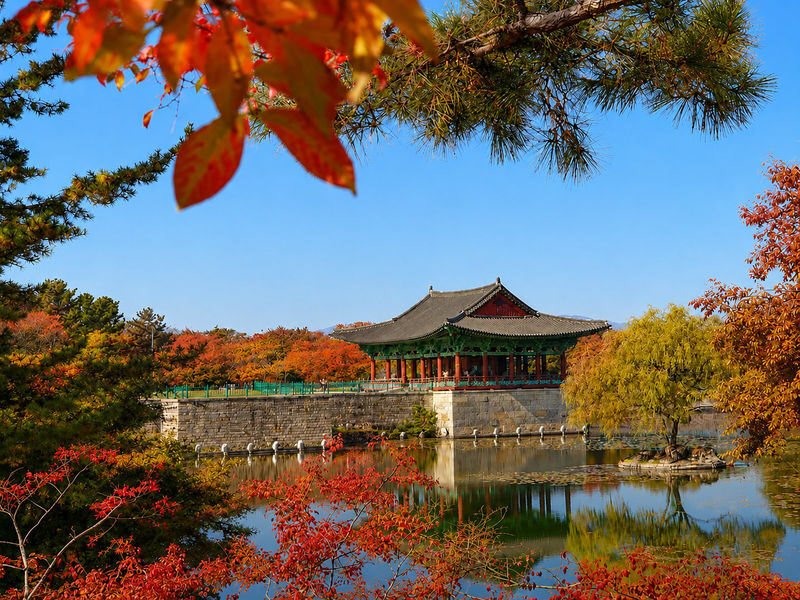
The join-in tour starts at US$25.15, a low entry price for a day that includes round-trip transport from Busan, a guide speaking English or Chinese, tolls, parking, fuel, ticketing service fees, and admission to listed attractions. For someone who wants to cover several widely spaced places without arranging transport, that can be good value.
But budget beyond the starting price. Ahopsan Forest admission is extra, as is Donggung Palace and Wolji Pond if you choose it; meals and drinks are also on you. Personal expenses and travel insurance are excluded. The basic price is attractive, but it is not an all-inclusive day.
The VIP private option starts at US$565.09 and offers hotel pickup and a flexible, customizable route. Its attraction fees are not included. Pickup from Gimhae Airport or the Gijang area costs an additional 100,000 won, payable on site, and private tours starting before 07:00 or ending after 20:00 incur a 50,000-won-per-hour surcharge.
For couples or small families who value choice and a private pace, the private option may be worth comparing. For most budget-conscious visitors, the join-in trip offers the better transport value, provided you are comfortable sharing a coach and following a set schedule.
The most consistent strength of this experience is the guiding. Erica, Joy, Hans, and Yaho are among the named guides associated with engaging explanations, practical help, and light humor. Some guides also speak more than one language, and accounts of the trip mention English and Chinese explanations, with some multilingual support.
Good guiding matters particularly in Gyeongju. A royal mound or temple can be impressive at first glance, but stories about the people, beliefs, and customs behind it make the place easier to remember. A guide who communicates meeting times clearly also helps keep a large group moving without confusion.
There is a caution: guide quality is not something you can choose with certainty when booking a shared tour. One account described a poor experience with organization, limited time at sights, and an unpleasant guide, while many others praised their guides and the day’s flow. That contrast is a fair reason to book for the route and convenience, not on the assumption of a perfect personal match.
Choose one of three Busan departure points: Busan Station Subway Exit 4 at 08:10, Seomyeon Subway Station Exit 4 at 08:30, or Haeundae Subway Station Exit 5 at 09:10. The Busan Station stop is at the subway exit, not the KTX gate. Be there ten minutes before departure. Late arrivals and no-shows are not refundable.
The return stops are Haeundae at around 19:00, Seomyeon at 19:30, and Busan Station at 19:50. These are estimates, not fixed guarantees. Traffic, weather, and the day’s schedule can shift the return time, so avoid booking a tight onward connection.
After confirmation, the operator plans to contact you through WhatsApp or LINE one to two days before departure. Provide a working messenger ID or phone number. If using LINE, turn off message filtering the day before the tour; if no message has arrived by 22:00 the night before, contact the operator through the supplied WhatsApp number.
The activity is for participants aged four and older, and infants and children must be included in the passenger count. It is not wheelchair accessible. The voucher is valid only for the date booked, and changes are generally allowed until 24 hours before the start, subject to stated booking exceptions. Cancellation at least 24 hours ahead qualifies for a full refund; severe weather or unforeseen events may lead the operator to cancel and offer a reschedule or refund.
Book the join-in tour if you are based in Busan, want a broad first look at Gyeongju, and value having transport and a guide arranged. The mix of Bulguksa, royal tombs, village culture, modern hanok streets, and a bamboo grove gives you more range than a day spent only at historic monuments.
Think twice if you want to set your own pace, spend hours at one temple, or avoid long coach days. A private tour gives you more flexibility, but costs much more and leaves admission fees out. For the best balance of cost and coverage, the shared trip is a sensible choice, as long as you arrive on time, budget for optional entries, and accept that traffic can change the rhythm of the day.
“Great full day trip from Busan with guide Yaho. Experienced guide from Busan most recently working at the Vatican. Detailed itinerary covering all …”
The schedule describes a full day, with departures from Busan between 08:10 and 09:10 and evening returns between about 19:00 and 19:50. The exact timing can change with traffic and weather.
You can depart from Busan Station Subway Exit 4 at 08:10, Seomyeon Subway Station Exit 4 at 08:30, or Haeundae Subway Station Exit 5 at 09:10. At Busan Station, use the subway exit, not the KTX gate.
No. Admission to Ahopsan Forest is not included in the join-in tour price.
No. If you choose Donggung Palace and Wolji Pond as the alternative to Gyeongju National Museum, admission is 3,000 won on site.
No. Meals and beverages are not included. The plan allows about one hour for lunch, and you should tell the guide in advance about allergies or dietary requirements.
The tour includes an English- or Chinese-speaking guide. Some guides are multilingual, but the specific languages available can depend on the guide assigned.
Participants must be at least four years old. Infants and children must be included in the passenger headcount.
No. The activity is not wheelchair accessible.