Physical Address
304 North Cardinal St.
Dorchester Center, MA 02124
Physical Address
304 North Cardinal St.
Dorchester Center, MA 02124

Visit Lanyang Museum in Yilan for striking architecture, exhibits on local history and ecology, and wetland views. Plan your visit, transport, and ticket.
Lanyang Museum makes a strong first impression before you even reach the exhibits: its asymmetrical architecture rises beside the wetlands at Wushih Harbor. Inside, the permanent exhibition connects Yilan’s geography, history, local culture, and natural ecology, giving you a useful sense of place rather than a collection of disconnected facts.
I like two things in particular: the clear thematic approach to understanding Yilan, and the chance to pair museum time with a quiet look over the lake, where waterbirds may be out on the water or shore. The main caveat is that the exhibits can feel text-heavy for young children, and the building may not feel especially cool on a hot day.
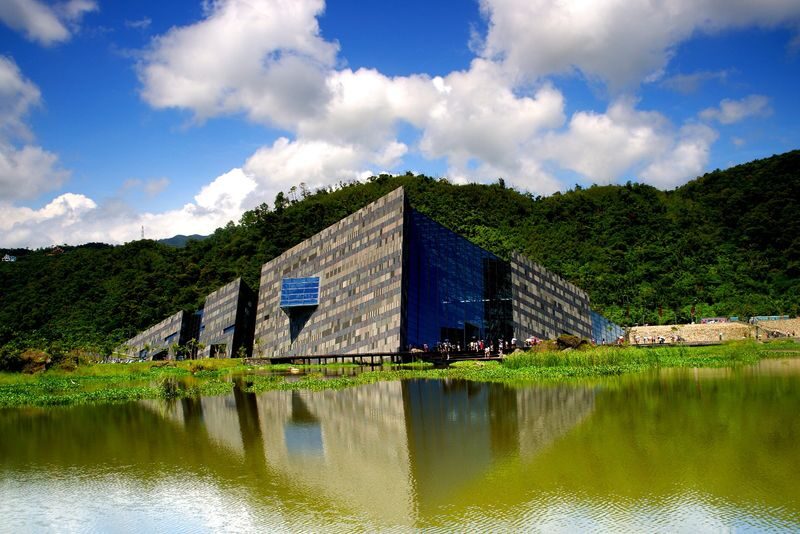
Lanyang Museum is an easy attraction to recognize. Its unusual asymmetrical design gives it a strong presence beside the water, and the building itself helps make the visit feel tied to the place rather than dropped into a generic exhibition hall. If you enjoy architecture, leave a little time to look at the exterior and take photographs before heading in.
The setting adds a second layer. The museum sits in Wushih Harbor Wetland Park, where the lake and surrounding habitat offer a calmer contrast to the indoor galleries. On a clear day, the view may extend toward Guishan Island, and you can watch for waterbirds on the water or resting nearby. Treat the wildlife as a pleasant possibility, not a guaranteed show.
The grounds are also a useful pause if you are visiting with children or need a break between galleries. Just keep in mind that the parking area may not be right beside the building, so allow extra time for the walk if you are driving.
You might also be interested in these Yilan experiences
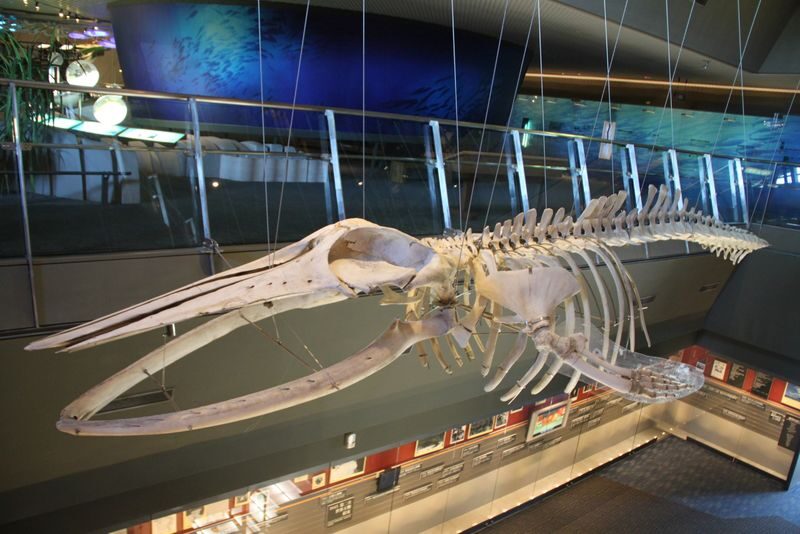
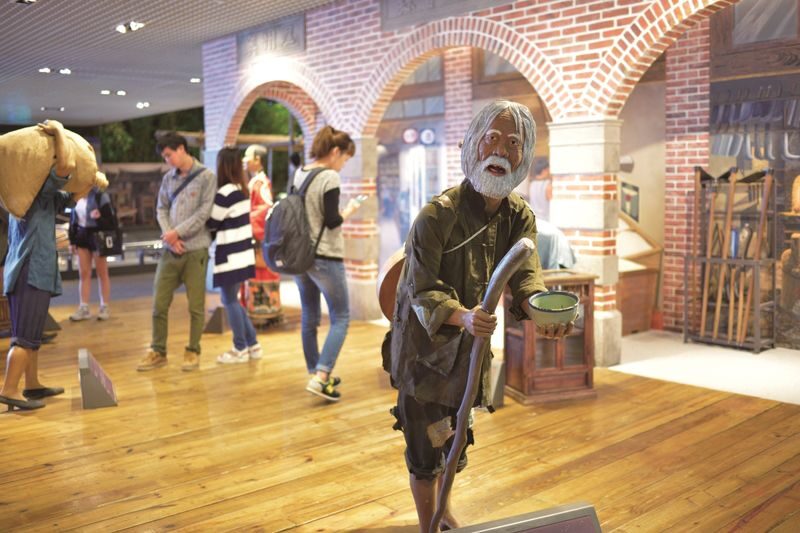
The permanent exhibition is the main event, and its value lies in bringing several parts of Yilan together. You can learn about the county’s geographical environment, human history, local culture, and natural ecology, which helps explain how the area developed and what makes it distinct.
That wider frame is useful if Yilan is more than a quick stop on your Taiwan itinerary. A museum visit can give context to the coast, towns, and natural areas you see elsewhere in the county. Rather than treating the displays as a checklist, look for connections between the region’s physical setting and the way people have lived there.
The exhibition is described as large and detailed, with clear themes. That structure should help you follow the material, though the amount of information may feel like a lot if you try to read every panel. I would choose the topics that interest you most and let the rest provide a broader outline. If you want more help with the content, one ticket option includes an English or Japanese audio guide.
There are interactive experiences, and archaeological activities are also mentioned as part of the museum experience. These may give children a more hands-on way into the subject matter. Still, the core exhibition is educational rather than a play space, so younger children who are not yet interested in history or geography may lose interest before adults do.
This is a museum ticket, not a guided tour with a named guide or set group itinerary. You decide how long to spend with each topic and whether to move quickly through the galleries or stop to read in detail. That flexibility is helpful, especially if you are fitting the museum around transport schedules or family plans.
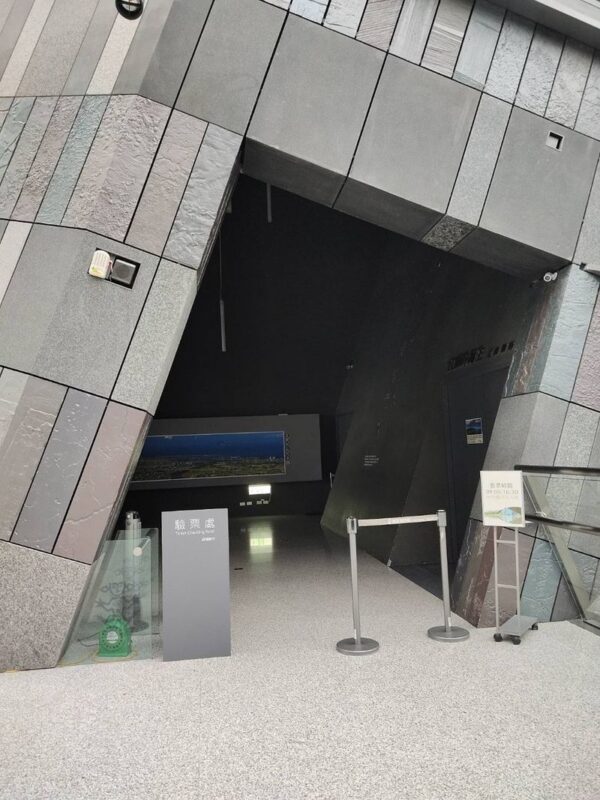
At the entrance to the permanent exhibition, go to the ticket check on the second floor and scan the QR code on your mobile voucher. The ticket is for one person per entry. If you need to leave and come back in, request a hand stamp at the Time Corridor exit before you go out.
A typical visit can fit into one to two hours. If you read most of the displays, take time with the interactive elements, and walk around the grounds, plan toward the longer end. If you are mainly there for the building and a quick overview, you can make a shorter stop, but you may leave without much sense of the exhibition’s detail.
The route is described as smooth, though the museum’s size and volume of information can make it feel a little hard to navigate at first. Give yourself a moment to get oriented rather than rushing straight through. The experience rewards a measured pace more than a quick photo-and-exit visit.
After the galleries, step outside and give the setting a few minutes. The sparkling water, open views, and wetland habitat are a worthwhile counterpoint to the exhibition. The combination makes the museum more than an indoor stop, especially when the weather is pleasant.
This outdoor time also helps families split up the visit into manageable parts. A child who has had enough of reading can look for birds or enjoy the open space, while adults can take in the setting. The wetlands are not a substitute for a wildlife tour, though. No particular species or sightings are guaranteed.
If the sky is clear, look toward Guishan Island. The view is one of the more memorable reasons to linger outside, but visibility depends on conditions. On a wet or very hot day, you may prefer to keep the outdoor portion brief and spend more time in the galleries.
The museum can suit families, but the age and interests of your children matter. The subject matter has educational value, and interactive or archaeological activities may help hold their attention. The indoor setting is also useful when rain or summer heat makes outdoor plans less appealing.
For elementary-school-age children and older, the themes of geography, history, and local culture may be easier to follow. Younger children may enjoy the building, the space, and the chance to look outdoors, but they may not connect with the information-heavy displays. If your children tend to tire quickly in museums, plan a shorter visit and make the wetlands part of the outing.
The building’s translucent roof is one practical point to bear in mind in warm weather. Some visitors find the interior less cool than expected, so do not assume the museum will feel like a fully air-conditioned refuge on a hot day. The museum can still be a good rainy-day choice, but comfort may vary with the weather.
Children aged five and under, as well as children 115 centimeters tall or below, can enter free of charge. Yilan County students, people with disabilities and one accompanying person, and honorary volunteers with the required proof are also eligible for free admission. Check the eligibility details and bring the relevant ID or documentation if you plan to use a free-entry category.
The permanent exhibition ticket starts at $1.40. At that price, the museum offers good value if you want context on Yilan and have an hour or two to spare. The building, exhibition, and wetland setting combine into a fuller outing than the ticket price alone might suggest.
The included item is one permanent exhibition admission. Meals, drinks, and personal expenses are not included, and outside food and drinks are not allowed inside. If you are planning a longer visit, arrange meals separately rather than expecting to picnic in the galleries.
There are also student-ticket and full-ticket packages that include an English or Japanese audio guide. The general ticket is for admission only, so choose the audio-guide option if you want language support beyond the exhibition itself. Prices and package availability can change, so compare the options when you book.
A Klook voucher may cost less than buying on site, and its QR-code entry can save you the ticket-counter step. The voucher is valid for 180 days from booking confirmation and can be refunded if you cancel before redeeming it. That long validity is handy if your Yilan plans are not fixed, but check the current terms at booking.
The address is No. 750, Section 3, Qingyun Road, Toucheng Township, Yilan County. By train, travel to Toucheng Station and walk about 20 minutes toward Wushih Harbor, or transfer to a county bus. Bus routes 131 and 1766 serve the museum area, and Red 1 runs on weekends only.
You can also take a Capital Bus or Kamalan Bus on National Highway 5 to Jiaoxi Transfer Station and transfer to a county bus. Kuo-Kuang Motor Transportation buses on National Highway 5 also stop at Lanyang Museum or Wushih Harbor. If you are driving, access is via Provincial Highway 2 or National Highway 5, exiting at Toucheng Interchange and heading toward Wushih Harbor.
The museum is open Monday, Tuesday, and Thursday through Sunday from 9:00 a.m. to 5:00 p.m. The listed schedule excludes Wednesday, and the last admission is 4:30 p.m. Do not arrive near closing time if you want to see the exhibition properly. Check the current schedule before setting out, especially around holidays.
No outside food or drink is permitted inside. Bottles, firecrackers, lasers, and other items that could disturb other people are prohibited, as are smoking and drinking. Pets are not allowed, except service animals with valid identification, and flash photography is prohibited in the museum.
I would put Lanyang Museum on the plan if you want a low-cost, weather-flexible way to understand Yilan beyond its scenery. It is especially worthwhile for adults curious about the region, school-age children who enjoy learning, and anyone interested in architecture or the wetlands. The combination of a substantial indoor exhibition and outdoor views gives you more than a quick photo stop.
You may want to skip it if your group has little interest in museums or if very young children are likely to become restless around detailed displays. For a short visit, focus on the building, the main exhibition themes, and a little time outside. If you have one or two hours and want a grounded introduction to the area, book the ticket and make the museum part of your Toucheng day.
“The exhibits inside are detailed and have clear themes.”
Plan for one to two hours. The exhibition is extensive, so you may need more time if you want to read the displays and explore the interactive elements.
It is open from 9:00 a.m. to 5:00 p.m. Monday, Tuesday, and Thursday through Sunday. The listed schedule excludes Wednesday. Last admission is at 4:30 p.m.
Present your mobile voucher and scan its QR code at the permanent exhibition ticket check on the second floor.
Yes. Ask for a hand stamp at the Time Corridor exit before leaving if you need to re-enter.
Take the Eastern Line to Toucheng Station, then walk about 20 minutes toward Wushih Harbor or transfer to county bus 131, 1766, or Red 1 on weekends.
Children aged five and under can enter free. Children 115 centimeters tall or below can also enter free.
No. The general ticket covers permanent exhibition admission. A separate package includes an English or Japanese audio guide.
No. Outside food and drinks are not allowed inside the venue.