Physical Address
304 North Cardinal St.
Dorchester Center, MA 02124
Physical Address
304 North Cardinal St.
Dorchester Center, MA 02124

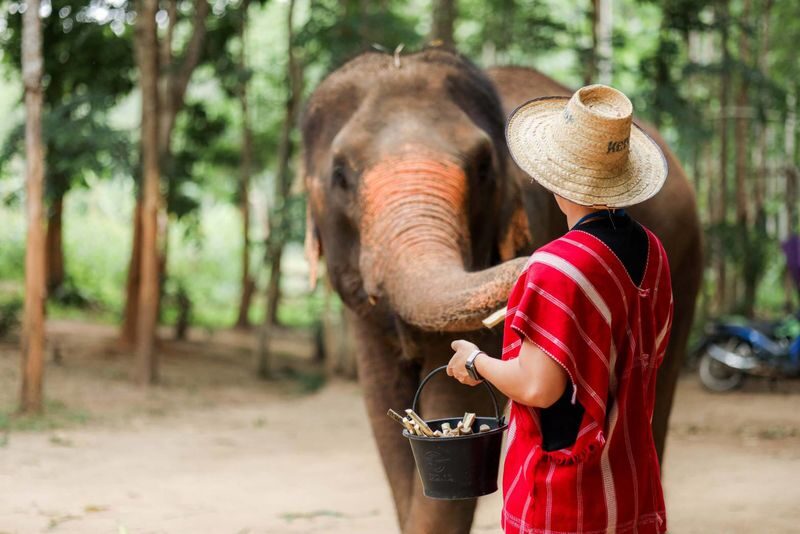
Feed, walk and bathe elephants at a Karen-run Chiang Mai eco park, with hotel transfers, a local meal and practical advice on timing and clothing.
At Kerchor Elephant Eco Park, your visit is built around close, hands-on time with elephants: you prepare food, feed them, walk beside them, and, weather and conditions permitting, join them for a mud spa and bath. The park is run by the local Karen community, and elephant riding is not part of the program.
I like two things in particular: you get a practical introduction to elephant behavior before meeting the animals, and the visit supports a local project that directs tourism income toward food, habitat care, veterinary needs and rescue work. The guides also help you interact and take photos, which can make the visit comfortable even if you are traveling alone.
One consideration: the ride from Chiang Mai takes about an hour each way, and shared hotel pickup can run early or late within its stated time window. You will also get wet and muddy if you take part in the bathing activities, so bring a towel and a change of clothes if you want to stay comfortable afterward.
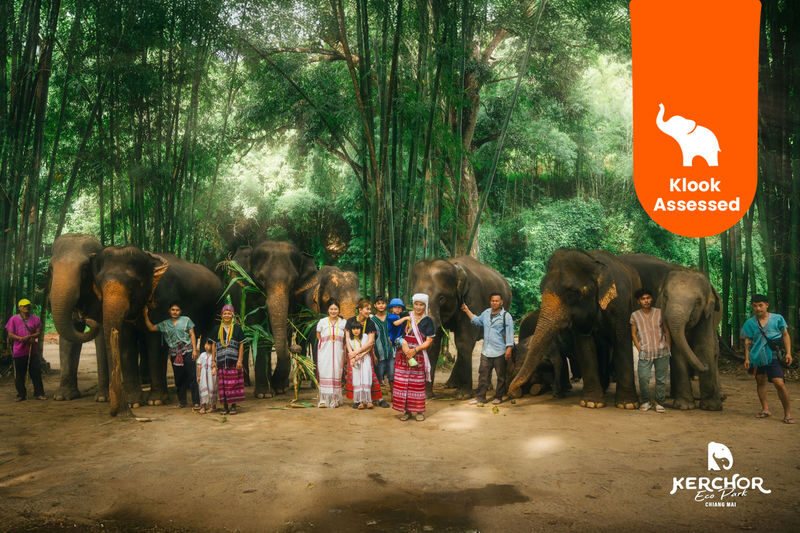
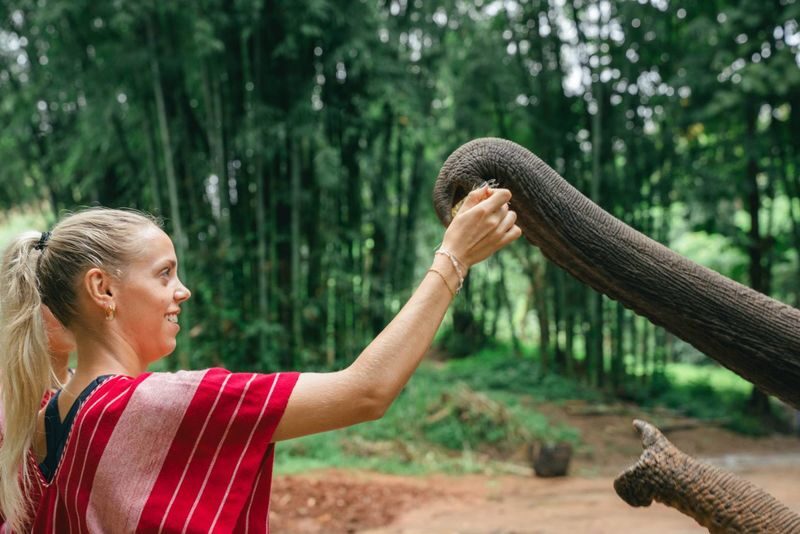
Kerchor is in Mae Wang, in Chiang Mai Province, about an hour by car from the city. It is operated by the local Karen community, whose tradition of keeping elephants informs the park’s approach. The elephants are treated as family members, according to the park’s description, rather than as performers for a show.
The no-riding policy matters if you are choosing an elephant visit with animal welfare in mind. At Kerchor, the planned activities involve feeding, walking and bathing, not riding or watching elephants perform. The park says most tourism income and donations go to elephant care, including forage, habitat maintenance, veterinary care and rescue operations, with attention also given to local people.
This is not a hands-off wildlife-viewing trip. You are offered close contact, including feeding and bathing, so it suits you if you want a guided, participatory encounter. If you prefer to observe elephants from a distance without touching or feeding them, this particular format may not be the right fit.
The tour includes round-trip transfers from your hotel or a confirmed meeting point. For the morning half-day trip, pickup is scheduled between 7:00 and 7:30, with the return to Chiang Mai around 13:00 to 13:30. The drive itself takes about an hour each way, though the shared vehicle may spend additional time collecting other people.
Pickup is one of the less predictable parts of the day. The operator is supposed to confirm the time and location in advance, but the window may be about 30 minutes, and some people have had to seek confirmation themselves. Check your booking message or voucher, enter your hotel’s full name and address when booking, and be in the lobby ten minutes before the stated time. If the operator has not contacted you, follow up rather than guessing.
Some hotels may be outside the pickup area. In that case, the operator will suggest another meeting point in advance. Listed city drop-off points include MAYA Lifestyle Shopping Center and McDonald’s on Kotchasarn Road, but confirm your own arrangements before departure. Shared transport is convenient when it works well, though vehicle comfort and cleanliness can vary.
At the park, staff begin with a briefing on the program and safety around the elephants. Take this part seriously. Close contact is exciting, but the animals are large, and following staff instructions is the best way to keep the visit calm for you and for them.
You also learn how to make herbal and vitamin balls for the elephants. This small preparation activity gives you something useful to do before feeding begins, while the introduction helps explain what the animals eat and how they behave. Guides may share details about the elephants’ daily routines and the work involved in caring for them.
The amount of natural-history teaching can vary. Some guides add information about elephant behavior and the animals’ circumstances; the main emphasis, though, is the guided interaction. If your priority is a long, detailed lesson in elephant ecology, you may find the visit more practical and participatory than academic.
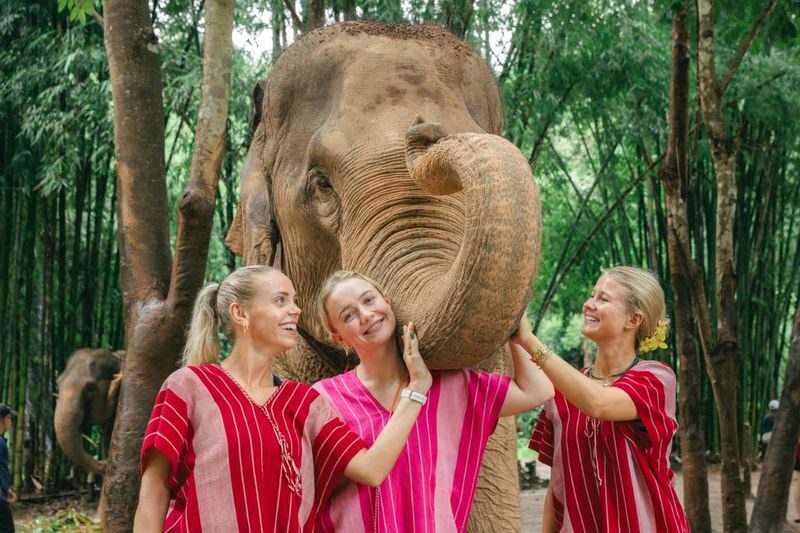
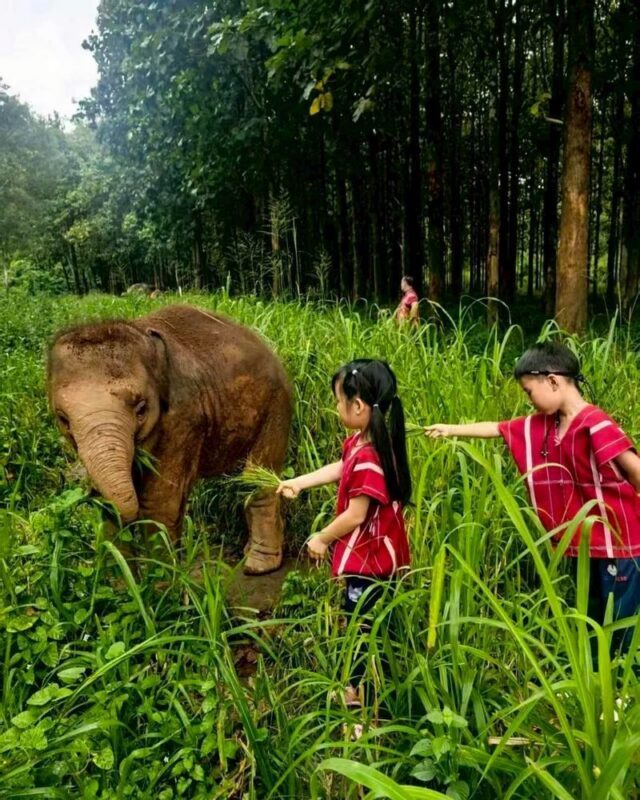
Feeding is usually the first close encounter. You offer the food you have prepared, get a look at how the elephants take it, and have time for photographs. The food portions can feel small, and the time with the elephants may seem brief if you are hoping for a long, quiet visit. Still, the schedule gives you several ways to spend time near them rather than making the whole stop a single photo opportunity.
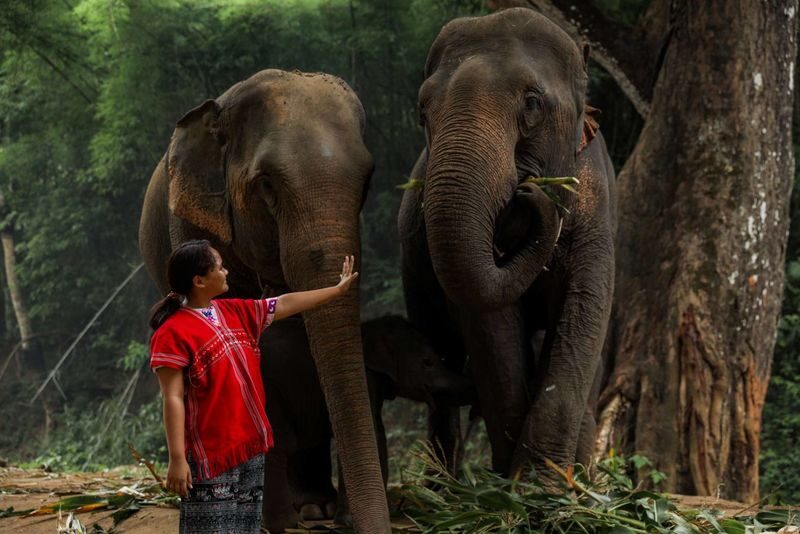
You then walk alongside the elephants and observe them as they move through their routine. Guides and staff help show you how to approach and interact. Several guides have been praised for helping with photos, too; Mina and Miss Wang Meixing are names associated with particularly warm, helpful guiding, though guide assignments will depend on the day.
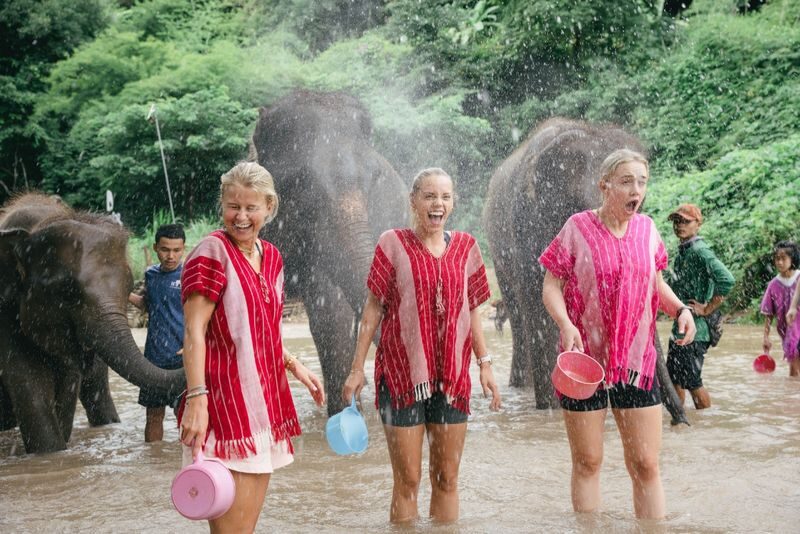
The mud spa and bathing are the wettest parts of the program. You may get into the water with the elephants, but participation and how wet you get can depend on the conditions and how much you choose to join in. Wear a swimsuit or clothes you do not mind getting wet, and take a towel and dry change of clothes. Sandals or flip-flops are useful for water, but some people find them awkward on uneven ground, so choose footwear with that trade-off in mind.
This close interaction is a major reason to book, but it also calls for good group behavior. Follow staff guidance, give the elephants room when asked, and do not splash or provoke them. The program is meant to let them display natural behavior, not to turn them into props for rough play.
A Thai local meal is included, with snacks and drinks also listed as part of the tour. The menu can change with the season and ingredient availability. Expect a practical meal as part of a day trip, not a restaurant outing designed to be the main event.
After eating, you return to Chiang Mai by car. For the morning half-day schedule, the return is around 13:00 to 13:30, though traffic and weather can shift the timing. That leaves much of the afternoon free, which makes this a useful choice if you want an elephant visit without giving up your entire day.
The afternoon half-day option follows the same general pattern at a different time of day. Its pickup and return timing should be confirmed with the operator. If you choose the full-day package, bamboo rafting and a waterfall are added. Bring dry clothes for the rafting and be careful on wet, mossy rocks near the waterfall; the path can be slippery.
The morning and afternoon half-day tours start at US$32.19. That price includes a guide who speaks English, Chinese or Thai, shared round-trip transfers, insurance from the operator, refreshments, snacks, the meal, elephant food, the herbal-ball activity, walking, bathing and the mud spa. Tips and personal expenses are not included.
For a half-day outing with transport from Chiang Mai and several guided activities, the starting price is reasonable. You are paying not just for the time at the park but also for the transfer, food and organized access to the activities. The main value is the close encounter and the chance to support a local operation whose stated funding priorities include elephant care.
The full-day package starts at US$47.59 and adds bamboo rafting and a waterfall. That is a modest increase over the half-day starting price, but it also means more time outdoors and more chances to get wet. Choose it if you want a full day in Mae Wang; choose the half-day if your main aim is to meet the elephants and keep your schedule open.
The listed score is 4.8 out of 5 from 2,303 ratings, and the operator’s supplied good-review rate is 96 percent across 2,381 total reviews. Those numbers suggest broad satisfaction, but they do not erase the practical weak spots: pickup communication can be unclear, vehicle quality varies, and heavy rain can affect the program. Treat the quoted price as a starting price, since package and booking details can affect what you pay.
This tour suits you if you want an active, guided introduction to elephants, rather than a distant viewing experience. It can work well for families and solo visitors: guides have helped people with photos, and children aged 0 to 2 can join free of charge. The pace is described as comfortable, though the actual time spent with the elephants may feel short if that is your main reason for coming.
It is less suitable if you have impaired mobility or certain medical conditions, including high blood pressure or epilepsy; the operator does not recommend the activity for those situations. The park is not wheelchair-accessible. Tell the operator about dietary requirements when booking; special diets, allergies and gluten intolerance can be accommodated.
Pack a camera, towel, insect repellent, hat, sunscreen and sandals or flip-flops. During the rainy season, listed as April through October, take a rain jacket. Avoid treating bathing as a dry activity: a spare set of clothes is a sensible addition, especially for the full-day trip.
I would consider Kerchor if you want a fairly priced, hands-on elephant visit that rules out riding and is run by a local Karen community. The briefing, food preparation, feeding, walk and bathing give the half-day a clear shape, while the included transfer and meal make the day easier to arrange.
Book with realistic expectations. This is a close-contact experience, not a long wildlife study, and the shared pickup system may require patience and a follow-up message. If you are comfortable with those trade-offs, the morning half-day is a practical choice; choose the full-day option if rafting and a waterfall are worth the extra time and cost to you.
“Educational, uplifting and very enjoyable experience, knowing that the tour is supporting the welfare of elephants rescued from situations they sho…”
The drive takes about one hour each way. Shared hotel pickups can add time before the vehicle leaves the city.
Pickup is scheduled from 7:00 to 7:30, with return around 13:00 to 13:30. Traffic and weather can affect the schedule.
The program includes preparing herbal and vitamin food balls, feeding and walking with the elephants, and elephant bathing and a mud spa.
No. The park promotes eco-tourism, and elephant riding is not included.
The starting price is US$32.19. It includes round-trip transfers, a guide, insurance from the operator, snacks and drinks, a Thai meal, elephant food and the listed elephant activities.
Bring a camera, towel, insect repellent, hat, sunscreen and sandals or flip-flops. Take a rain jacket from April through October, and consider packing dry clothes if you plan to join the bathing activities.
Yes. Special dietary requirements, including allergies, gluten intolerance and vegetarian diets, can be accommodated. Provide your requirements at checkout.
No. The activity is not wheelchair-accessible and is not recommended for anyone with impaired physical mobility.
The full-day option includes bamboo rafting and a waterfall, in addition to the elephant activities. It starts at US$47.59.