Physical Address
304 North Cardinal St.
Dorchester Center, MA 02124
Physical Address
304 North Cardinal St.
Dorchester Center, MA 02124

Compare this two-day Nagoya tour through Kamikochi and the Tateyama Kurobe Alpine Route, with autumn walks, mountain transport, an overnight stay and extra costs explained.
Kamikochi’s autumn walk and the Tateyama Kurobe Alpine Route’s chain of mountain transport make an ambitious pair: one day follows ponds and forest paths, the next crosses high country by bus, cable car and ropeway. I like that you get both quiet time on foot and big views without arranging separate transport from Nagoya.
I also like the overnight stop in Hakuba, which breaks up a long journey and gives you a chance to enjoy a mountain hot spring and local food if you choose to pay for meals. The trade-off is a packed schedule, with self-guided walks, long coach rides and scenery that can change with weather and foliage timing.
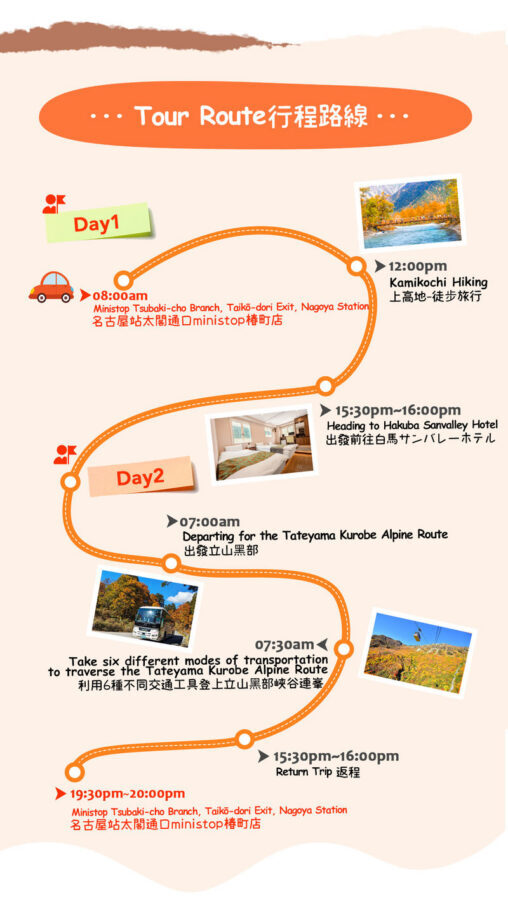
This tour is for you if you want to see two major mountain areas without planning each transfer yourself. It leaves Nagoya Station at 8:00 in the morning, takes you first to Kamikochi, stays overnight in Hakuba, then crosses the Tateyama Kurobe Alpine Route before returning to Nagoya. The listed return estimate is 19:15 to 20:15 on day two.
The first day centers on walking. The second strings together a network of mountain transport and short visits, including Kurobe Dam and Murodo. You get a broad sampler of the region, not an unhurried stay in either place. The schedule is also vulnerable to traffic, weather and capacity limits, so keep your expectations flexible.
An English- or Chinese-speaking guide accompanies the shared tour, but Kamikochi and the Alpine Route visits are self-guided. That distinction matters: the guide helps the group travel between places, while you decide how to use the available time on the walks. If you want a guide beside you explaining each pond and mountain, this arrangement may not be the best fit.
The bus is scheduled to leave Nagoya at 8:00, with about four hours on the road before the Kamikochi visit. That is a substantial morning ride, but it takes care of the transfer to a mountain area where private vehicle access is restricted. Bring what you need for the walk in a day bag, since the outing is self-guided and the schedule gives you a set block of time.
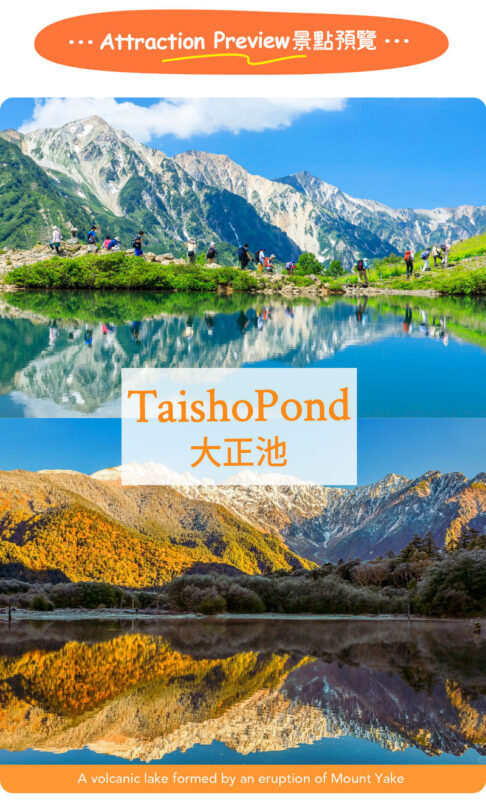
You have two suggested routes, and they offer different kinds of day. The first starts at Taisho Pond and follows the area through Tashiro Pond to Kappa Bridge, ending at the Kamikochi bus stop. It is the more direct choice if you want pond reflections, wetlands and the famous bridge without walking farther toward Myojin.
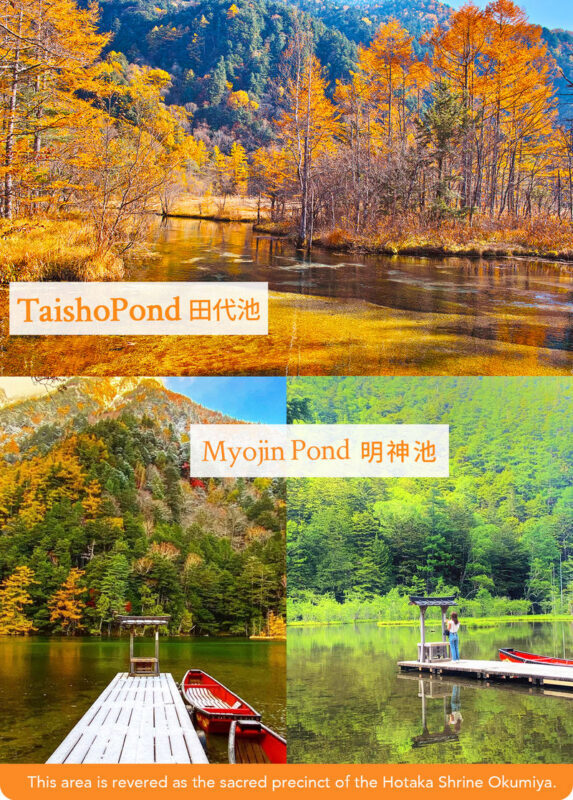
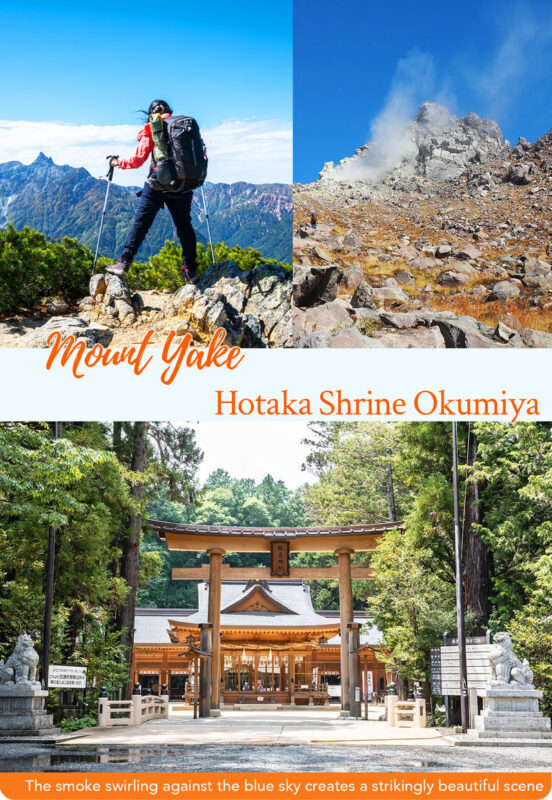
The second route starts at the Kamikochi bus stop, passes Kappa Bridge and Dakesawa Marsh, then continues toward Myojin Bridge, Hotaka Shrine Okumiya and Myojin Pond before returning to the bus stop. It reaches deeper into the forest and adds a shrine and pond, but it is the longer option. The tour details do not give trail distances or walking times, so do not assume you can comfortably complete both routes in the allotted six hours.
Taisho Pond is a natural starting point for a slow walk. Its water can reflect the surrounding mountains and autumn trees, while nearby Tashiro Pond brings wetland scenery into the mix. The scenery depends on light and weather, of course. Cloud, rain or wind can soften or obscure the reflections that make the ponds especially appealing.
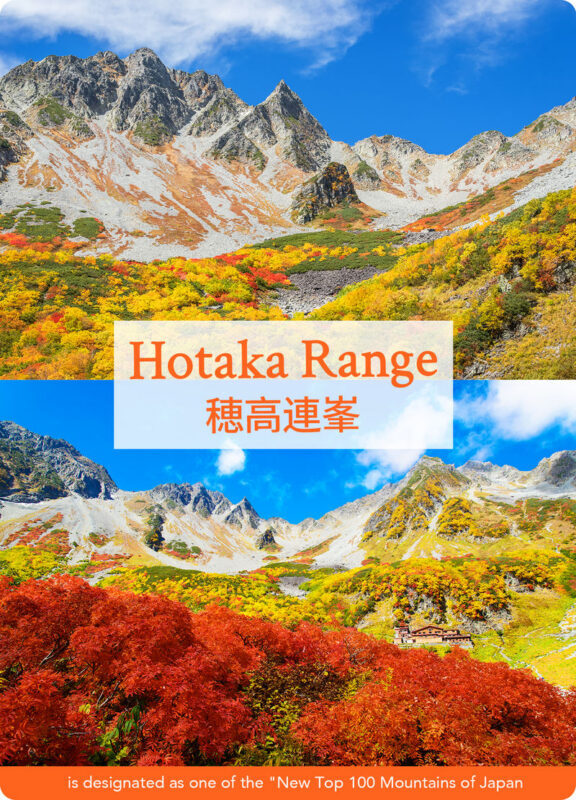
Kappa Bridge is the most recognizable stop in Kamikochi, with views toward the Hotaka Mountain Range. It is a good place to pause and take in the setting before deciding whether you want to walk farther. If you continue to Myojin Pond, the route trades the central bridge area for a quieter forest setting and a visit to Hotaka Shrine Okumiya. You will need to watch the clock, since the group must leave together.
The itinerary warns that capacity or weather may mean skipping some attractions. That is a practical limitation, not a minor footnote: Kamikochi is the part of the tour where you choose how far to walk, but the day still has a departure deadline. I would pick one route in advance and treat any extra stop as a bonus, rather than trying to race through every named place.
Around 16:00, the plan moves to accommodation in Hakuba. The named hotel is Hakuba Sun Valley Hotel, also rendered as Hakuba Taiyo Valley Hotel, or a similar property if it is full. The overnight stay gives you a pause between two long days and places you in a mountain area rather than sending you back to Nagoya after Kamikochi.
The tour describes hot springs and local cuisine as part of the appeal, but the hotel stay is the included service, not a meal plan. Meals and drinks are listed as extra, so check what is available at your assigned hotel and budget separately for dinner and breakfast. If an early mountain departure means hotel breakfast cannot be provided, a boxed breakfast may be supplied for the bus, or you may receive 1,000 yen to buy breakfast. Infants travelling free do not receive that allowance.
Rooms are priced for two people sharing. If your party has an odd number, such as three or five, expect a single supplement for the person without a roommate and book the appropriate single-occupancy option. Confirm the room setup before paying; the advertised base price should not be treated as a per-person guarantee for every group arrangement.
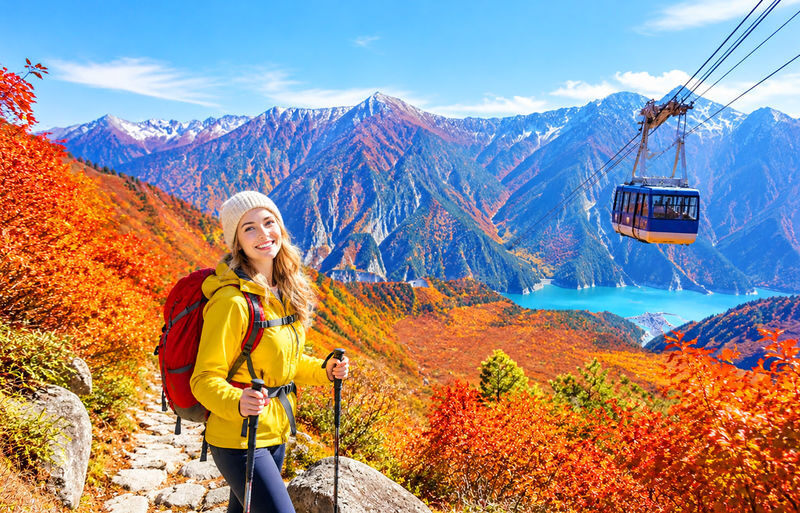
The second day starts around 7:30 at Ogizawa. From there, the route links the Kanden Tunnel electric bus, a walk beside Kurobe Lake, the Tateyama Cable Car, the Tateyama Ropeway, a tunnel bus, and a highland bus. The final leg listed runs from Bijodaira to Tateyama Station. The changing modes are a central part of the day, not simply a way to get from one photo stop to another.
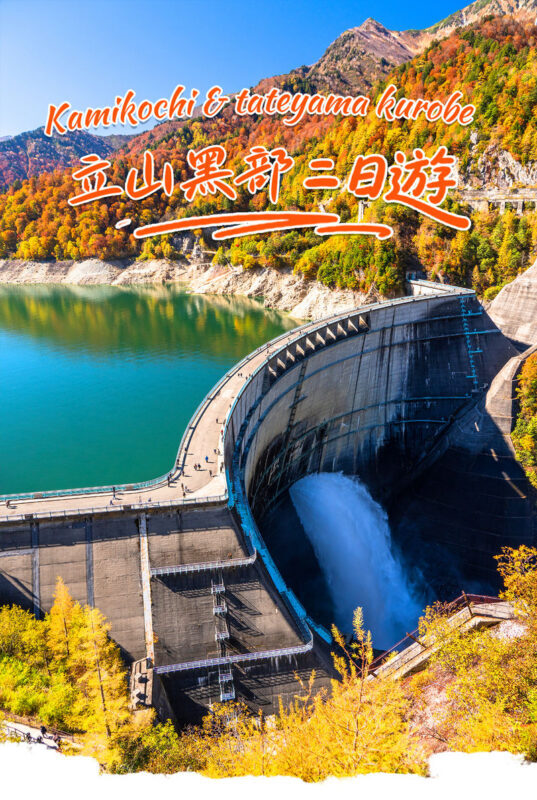
At Kurobe Dam, the scale of the engineering meets the mountain setting. You will have a chance to take in the dam and Kurobe Lake, but the schedule also calls for walking along the lake before continuing to Kurobedaira. Wear shoes you are comfortable walking in, and keep your belongings easy to carry through transfers. The tour does not specify how much time you get at each stop, and the sequence may shift.
The cable car and ropeway carry you higher toward Murodo, with more of the Alpine Route opening up along the way. Murodo is the high-altitude highlight described in the plan, where early snow can meet autumn colors and cloud. That combination is a possibility, not a promise: seasonal color, snow and cloud cover all depend on conditions on the day.
From Murodo, the buses continue through Tengudaira and Midagahara to Bijodaira. The route gives you a changing view of mountain zones without requiring you to hike the whole distance. It also means a day with repeated boarding and transfers, so anyone who prefers a slow pace or dislikes a tightly timed group outing should weigh that carefully.
The Alpine Route pass is a major cost to check before booking. For the package that excludes it, the stated price is 10,900 yen per adult and 5,400 yen per child aged 6 to 11, payable in cash. A separate early-bird package includes the transport ticket. Since the package prices shown are $244.45 without the pass and $337.70 with it, compare the exact option at checkout rather than relying on the headline starting price of $195.59. Prices and package selections can differ.
The tour includes round-trip transfers from Nagoya, a guide who speaks English or Chinese, and one hotel night. If you are comparing this with arranging the trip independently, the value is mainly in having the long-distance transport and the overnight stop organized together. The Alpine Route is a complex chain of vehicles, so a prearranged itinerary can simplify the logistics.
But the lower package price does not cover everything. The Alpine Route ticket may be extra, as are meals, drinks, personal spending and tips. Factor the ticket cost into your budget before deciding the package is a bargain. The listed prices are also not a reliable guide to the final cost for solo occupants or odd-numbered groups because of the single-room supplement.
There is one public rating of 5 out of 5, but the only written detail is a compliment to guide Amy’s appearance. It does not tell you much about the walking pace, hotel, transport or how the schedule worked. I would take the score as a small positive signal, not strong evidence about the overall tour.
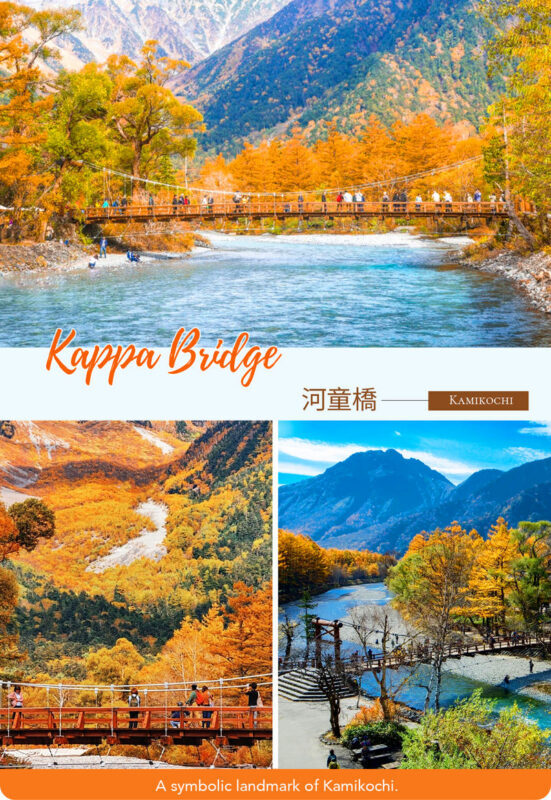
The tour is designed around the fall season, with Kamikochi’s maples and golden trees, and the possibility of autumn color at higher elevations. But leaves do not follow a fixed timetable, and weather can alter the view. The operator may proceed if there is no official cancellation, even if the foliage is early, past its peak or less striking than expected; a refund is not offered just because the colors disappoint.
That is why I would book this for the range of scenery and the transport experience, not for one exact color display. Kamikochi’s river, ponds and mountain views are the focus on day one; the Alpine Route brings dam, lake and high-altitude scenery on day two. Clouds, rain or early snow may change the mood, while also making the day feel quite different from the autumn postcard in your head.
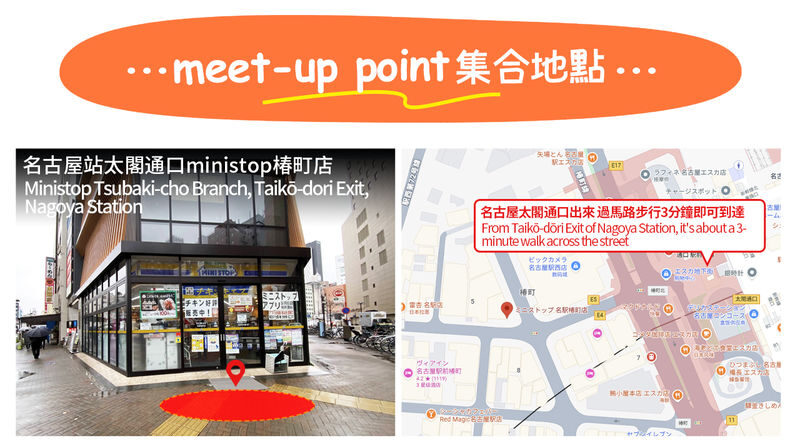
Be at Nagoya Station’s Taiko-dori Exit meeting area 20 minutes before the 8:00 departure. The operator sends guide and vehicle details by email between 20:00 and 21:00 the night before, though the message may land in spam or arrive later in peak season. Check for the latest email, since departure time can be adjusted.
This is a shared trip, and the vehicle type depends on the number of people booked. You may share it with people who speak a different language, and seating is generally first come, first served. Each person may bring one piece of luggage, preferably carry-on size, but you need to declare it when booking. Unannounced luggage can cause capacity problems, and the operator can refuse boarding without a refund.
Infants and children must be included in the passenger count. Children aged 0 to 2 travel free, while children aged 3 and older pay the adult rate. Child seats are not available, and even an infant who does not occupy a seat must be declared in advance. Participants aged 70 or older and pregnant participants must sign a liability waiver before the trip.
The return time is only an estimate. Traffic and weather may push the bus later than the 19:15 to 20:15 window, so do not book a train, dinner reservation or other fixed activity for that evening. The tour also does not allow you to leave the group partway through and rejoin later. If you need that kind of flexibility, plan the route independently.
Book it if you want Kamikochi and the Alpine Route in one trip, value arranged transport, and are comfortable with long days and self-guided walking. It is especially suited to someone who wants a broad first look at the area and likes the variety of walking trails, mountain buses, cable cars and ropeways.
Think twice if you need a relaxed pace, want a guide walking with you throughout, or are travelling on a tight budget that does not allow for the Alpine Route ticket and meals. Check your package, room arrangement and luggage details carefully, then leave the evening of day two open. The strongest reason to go is the combination of river walks and high mountain transport; the main compromise is that you see a lot by the clock.
“Tour guide: Thank you so much, Miss Amy, you look gorgeous.”
It departs from Nagoya Station’s Taiko-dori Exit. Arrive 20 minutes before the scheduled 8:00 departure.
That depends on the package. The package without the ticket requires cash payment of 10,900 yen per adult or 5,400 yen per child aged 6 to 11. A separate package includes the transport ticket.
The tour includes round-trip transfers from the meeting point, an English- or Chinese-speaking guide, and one night at Hakuba Sun Valley Hotel or a similar hotel. Meals, drinks and personal expenses are not included.
The schedule allows about four hours for the Kamikochi visit. Walking is self-guided, and weather or capacity may mean some stops are skipped.
The price is based on two people per room. If your group has an odd number, the extra person needs a single-occupancy option with a single supplement.
Each person may bring one piece, with carry-on size recommended. Declare it when booking. The operator may refuse luggage that exceeds the vehicle’s capacity.
The tour may still run if there is no official cancellation. Foliage timing and weather can affect the scenery, and a refund is not offered if the colors are not as expected.