Physical Address
304 North Cardinal St.
Dorchester Center, MA 02124
Physical Address
304 North Cardinal St.
Dorchester Center, MA 02124


Visit rescued elephants, gibbons and bears at WFFT near Hua Hin, with a guided walk, Thai buffet, elephant feeding and hotel transfers.
At Wildlife Friends Foundation Thailand, an elephant encounter means learning an animal’s story, then feeding it under supervision, not riding it or watching it perform. This six-hour visit near Hua Hin pairs that close look at rescue work with a walk through the center and a ride past more animals.
I like two things in particular: guides explain how individual animals came to the refuge, and the midday Thai buffet gives you a welcome break with a view of the large enclosure. Hotel transfers from Hua Hin and nearby districts also save you the trouble of arranging your own transport.
The main trade-off is that this is a long, mostly outdoor visit in Thailand’s heat. Expect a substantial walk, sometimes over dry ground, and stories of animal abuse that can be upsetting. Bring water, closed-toe shoes and a little patience for the emotional parts.
Wildlife Friends Foundation Thailand, or WFFT, is a rescue organization that cares for captive and domesticated wild animals. Its work is part of a wider effort in Thailand, with support from animal protection groups including the International Primary Protection League, Free The Bears and Care for the Wild International, as well as individual supporters.
That context changes the feel of the visit. You are not there for tricks, rides or photo opportunities with wild animals. The center’s approach puts animal welfare first, and the guide explains why some animals need permanent care rather than a return to the wild.
Expect to hear difficult stories. Some animals have been rescued after exploitation or poor treatment, and an introductory video may also be hard to watch. That material can be upsetting, but it helps explain why the center exists and why tourist choices matter. If you are travelling with children, consider whether they are ready for frank discussion of animal cruelty.
The visit also offers a practical lesson in ethical tourism. Elephant rides and performances may look like harmless fun, but the center explains how tourist attractions can force elephants to carry people or perform tricks. Here, the aim is to let animals behave as naturally as their circumstances allow.
You can check availability for your dates here: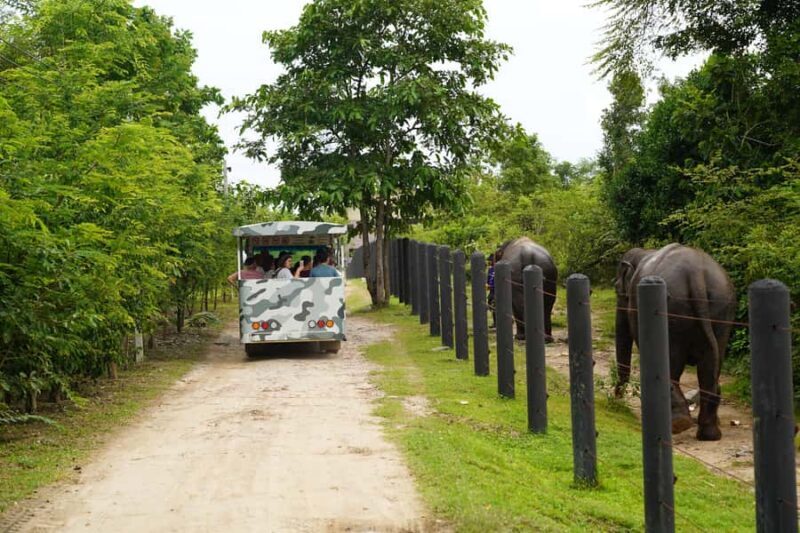
After pickup and the drive to the center in Phetchaburi, you meet your English-speaking guide and start a guided walk around the grounds. This section takes about two hours, so it is the most physically demanding part of the day. The group moves through different areas as the guide introduces some of the rescued animals and tells you why they live at WFFT.
The stories make the animals more than a roll call of species. You learn about individual histories, habits and personalities, which helps explain why care needs can differ from one animal to another. Guides such as Will, Natalie and Edda have been praised for bringing warmth, humor and clear explanations to the tour. Your guide may be someone else, but the format gives you room to ask questions.
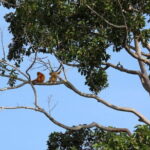
There is a broad mix of animals. Along with elephants, you may see gibbons, monkeys, bears, tigers, otters, reptiles and other rescued wildlife. The exact animals you see can vary, and the visit is about observing them in their care setting, not handling them.
The walk is a real walk, not a quick stroll between viewing points. One useful packing detail: wear comfortable, closed-toe shoes. The route can cross dry sand and underbrush, so sandals are less practical. People with mobility impairments may find the tour unsuitable.
You might also be interested in these Hua Hin experiences
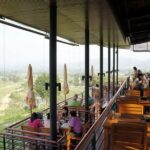
Around noon, you break for a Thai buffet overlooking a large enclosure shared by elephants, gibbons and other animals. It’s a welcome pause after the walking tour, and the view keeps the meal connected to the day rather than turning it into a generic lunch stop.
Meal choices include vegan, vegetarian and meat options. The buffet has been praised for its taste and variety, but it is still sensible to mention dietary needs when booking if you have particular requirements. Lunch and refreshments are included in the tour price.
Do not assume bottled water will be provided. Refreshments are listed as part of the visit, but the practical advice is to bring your own water, especially in hot weather. Cash is also on the suggested packing list, though the details provided do not specify what you may need it for.
This break matters because the day is long and much of it happens outdoors. Eat, drink and rest while you can. The afternoon includes more animal viewing and the elephant encounter, so you’ll be glad not to start it tired or thirsty.
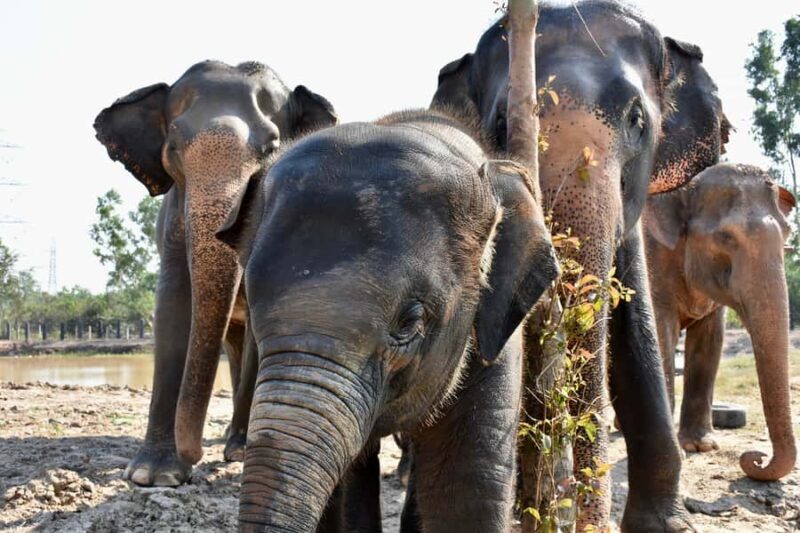
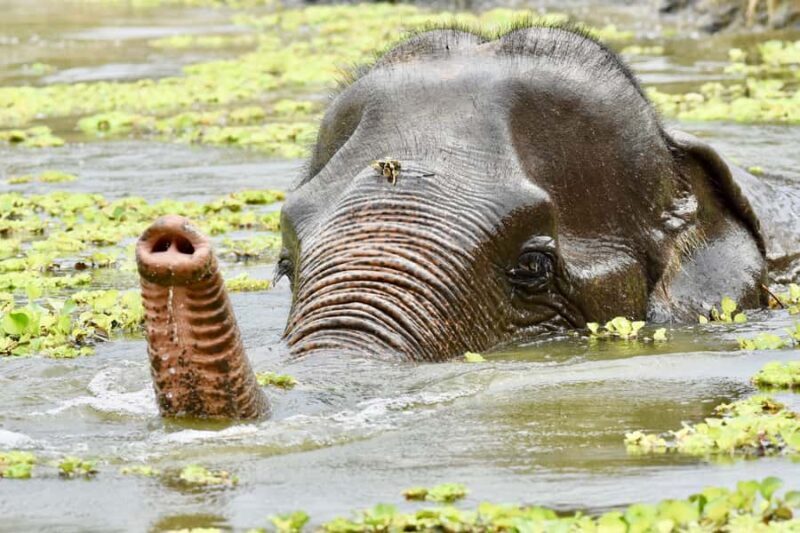
After lunch, you meet and feed one of the elephants under supervision. The experience is hands-on in a limited way: you can offer food, but this is not a chance to touch or bathe elephants freely. The distinction is important. WFFT’s emphasis is on the elephant’s well-being and natural behavior, not on creating a performance for visitors.
Your guide explains the elephant’s story and personality, and you may learn how volunteers handle daily tasks at the refuge. That puts the feeding in context. You are seeing a small part of the animal’s care, rather than treating the elephant as a prop for a quick photograph.
For many people, this is the most memorable part of the day. It is also a chance to think about the choices behind elephant tourism in Thailand. The center’s message is direct: avoid attractions where elephants are made to carry many people or perform tricks.
If you come mainly hoping to spend a long time with elephants, keep your expectations measured. The program includes a two-hour center walk, lunch, the supervised feeding and a tram ride across the grounds. One visitor wished for more elephant time and less time at monkey enclosures. The balance favors seeing a range of animals and learning about the whole refuge, not an extended elephant-only session.
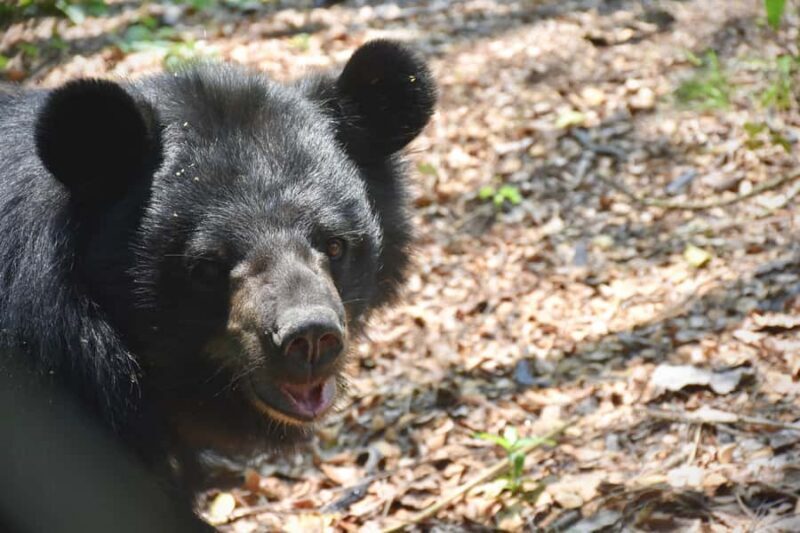
Later in the day, you ride a tram around the site and see bears and monkeys enjoying their meal. After the walking tour, the tram gives your feet a break and lets you cover more of the center than you might on foot alone.
This final circuit rounds out the visit, though it may not be the highlight for everyone. If elephants are your main interest, the broad tour format means you will also spend time learning about other animals. That variety is a strength if you want a fuller picture of the refuge; it may feel like less time with your favorite species if you came with a narrow focus.
The visit ends at about 3:30 PM, followed by the drive back to your accommodation. The overall activity is listed as six hours, but pickup and return times can depend on where you are staying and the day’s schedule. Check the available starting time when you book.
More Great Tours NearbyAt $80 per person, this costs more than a simple ticket to a local attraction. The price includes round-trip hotel transfers from the listed districts, air-conditioned transport, access to the rescue center and elephant refuge, an English-speaking guided tour, lunch, the tram ride, and fees and taxes.
The value lies in the whole package, not just the elephant feeding. You get transport to a center in Phetchaburi, a structured introduction to rescue work, time with a guide, a meal and a tour of a large site. If you would otherwise need to arrange transport yourself, the pickup is a useful part of the deal.
There is also a less tangible benefit: your visit helps draw attention to the work of an NGO that relies on support from organizations and individuals. The exact share of your payment that goes to animal care is not specified, so I would not treat the ticket as a direct donation with a known breakdown. But choosing a rescue center over an exploitative animal attraction is a meaningful choice in itself.
For an animal lover, the cost is easier to justify than for someone seeking a light, entertaining outing. The mood is thoughtful, sometimes sad, and the walk takes effort. You are paying for education and access to a working rescue center, not a polished show.
You might also be interested in these Hua Hin experiences
Pickup is available from accommodation in Hua Hin, Cha-Am, Pran Buri or Phetchaburi, with return transfers to those areas. If you are staying in a condo, private house or Airbnb, you may need to meet the driver on the road rather than expect a pickup at the door. Confirm the meeting point before the day.
Wear comfortable, closed-toe shoes and bring water. Sunscreen and insect repellent are sensible choices for a long outdoor visit, especially since the guided walk takes place on foot. A basic level of fitness is needed, and the tour is not suitable for people with mobility impairments.
This visit suits adults and older children who are interested in animal welfare and can handle direct accounts of mistreatment. It also works well for anyone who wants to support a conservation effort while learning more than a short animal encounter can teach. If you prefer a quiet, low-exertion day or find animal rescue stories too upsetting, this may not be the right fit.
Cancellation is free up to 24 hours in advance, and you can reserve without paying immediately. Those options can help if your plans are still shifting, but check the current availability and starting times before you commit.
Book this if you want to see rescued wildlife in a setting where animal care comes before entertainment. The guided stories, supervised elephant feeding, good lunch and included transfers make the six-hour outing a worthwhile choice for many visitors staying around Hua Hin.
Skip it if you want a short, lighthearted attraction or expect to spend most of the day close to elephants. This is a walking tour of a working rescue center, with some difficult subject matter and plenty of time devoted to animals beyond elephants. Pack water, wear proper shoes and arrive ready to listen as well as look.
“Really enjoyed it but I found it was too long in the hot heat.. some sad stories but at least they’re getting looked after properly now. All happ…”
The activity lasts about six hours. The visit includes a two-hour guided walk, lunch, an elephant feeding and a tram ride around the site. The day is expected to end at approximately 3:30 PM.
Pickup and drop-off are available from accommodation in Hua Hin, Cha-Am, Pran Buri and Phetchaburi. If you are staying in a condo, private house or Airbnb, you may need to wait for the driver on the road.
Yes. Lunch is included, with a Thai buffet and vegan, vegetarian and meat options. The buffet is served overlooking a large enclosure.
No elephant rides or performances are part of the visit. You meet and feed one elephant under supervision, while the refuge emphasizes the animal’s well-being and natural behavior.
Bring comfortable, closed-toe shoes and cash. It is also wise to bring water, since bottled water may not be provided. A basic level of fitness is needed for the walking section.
No. The visit includes a walking segment and is listed as unsuitable for people with mobility impairments.
You can check availability for your dates here: