Physical Address
304 North Cardinal St.
Dorchester Center, MA 02124
Physical Address
304 North Cardinal St.
Dorchester Center, MA 02124

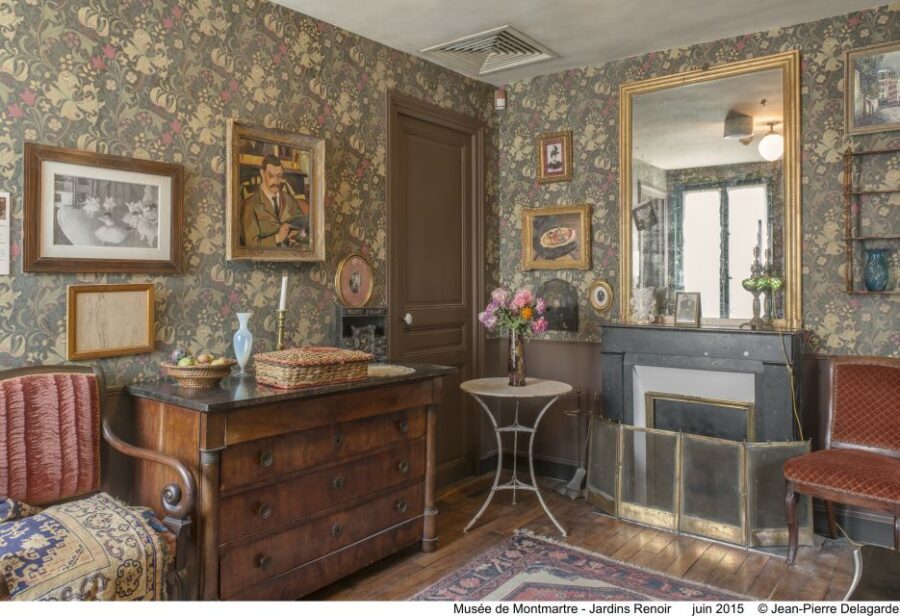
Explore Montmartre’s artist-filled past at its museum, then unwind in Renoir’s garden. Includes exhibitions, an audio guide, and skip-the-line entry.
Montmartre’s story comes into focus inside the 17th-century Bel Air House, the oldest building in the district. This small museum links the neighborhood’s cabarets, artists, and studios to the countryside that Paris gradually absorbed, then gives you room to take in the setting: the Renoir Gardens and a vineyard nearby.
I like two things in particular: the audio guide gives you context for names such as the Chat Noir and Toulouse-Lautrec, and the garden offers a peaceful pause after the galleries. One consideration: the museum’s rooms and passageways can be easy to miss, and the café may occasionally close for a private event.
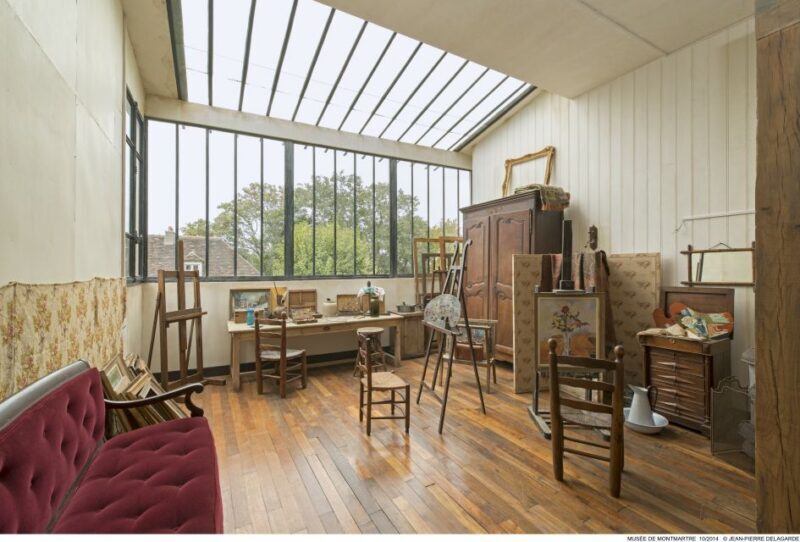
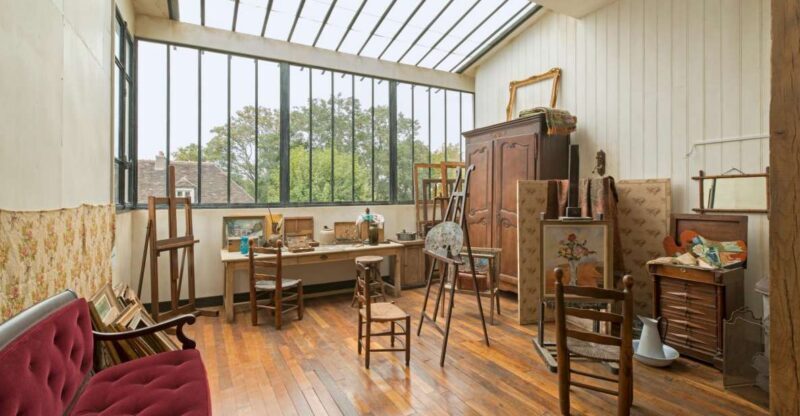
This visit begins at the museum entrance, where you show your voucher and go inside without joining the ticket line. The skip-the-line benefit is straightforward: it saves time at the ticket desk, but it does not turn the museum into a guided tour or guarantee that you will have every room to yourself.
The setting does much of the work. The Bel Air House is a historic residence, and that domestic scale helps make the story of artists living and working in Montmartre feel close at hand. At 12 Cortot, the address associated with the museum, studios welcomed artists who often painted their own surroundings. The house is not just a frame for the exhibits; it is part of the subject.
You can use the audio guide to follow the district’s changes from the 19th century onward. Montmartre was annexed to Paris, and what had been countryside came under the city’s reach. Artists began arriving around 1870, while cafés and cabarets multiplied in the 1880s. That shift gives the displays a useful through-line: the neighborhood was changing, and its new artistic life grew alongside that change.
The audio tour takes about 90 minutes, a good starting estimate rather than a strict visit length. You can move at your own pace, linger over exhibits, and return to sections that catch your interest. If you like to read every label or see a temporary exhibition, allow more time than the audio alone requires.
You might also be interested in these Paris experiences
The museum’s story reaches beyond famous painters. Montmartre’s cabarets brought together theatre, music, circus, and dance, giving the district a public life as well as a studio life. The Chat Noir became one of its best-known venues, with shadow theatre performances created by Henri Rivière and Henry Somm.
The audio guide also introduces performers such as Aristide Bruant and Yvette Guilbert, along with dancers associated with the Moulin Rouge, including La Goulue. Toulouse-Lautrec’s images help connect those stage acts to the art of the period. If you arrive expecting a display devoted only to Impressionist painters, you’ll find a broader account of the people and entertainment that shaped Montmartre’s reputation.
That broader scope is one of the museum’s strengths. Paintings sit within a social story: who performed, where people gathered, and how artists represented the life around them. You get more from the collection if you give the historical context time to settle instead of treating each artwork as an isolated object.
The museum also has temporary exhibitions, so the experience can vary depending on what is showing. Past exhibitions have included substantial displays of work by artists such as Maximilien Luce and Herbin. Check what is on during your visit if a particular exhibition matters to you, since the temporary show may be a major part of your time there.
Do not rush from room to room assuming that every part of the visit will be obvious. The museum includes several spaces, and some routes lead through or near the café. Signage can be easy to overlook, so pause to check the directions as you go. That small bit of attention can help you avoid missing an exhibition area.
A temporary exhibition may also be displayed across the garden, adding another stop to the visit. The arrangement can make the museum feel less like a single sequence of galleries and more like a collection of rooms and buildings to explore. The trade-off is that you may need to pay attention to where you are going rather than simply following one clear route.
Exhibition access can vary. A top floor has been closed during at least one visit, so do not assume every level or gallery will always be open. If you have a particular room in mind, it is sensible to check the day’s arrangements with museum staff when you arrive.
The displays are supported by information in English, according to visitors who have used the museum. The audio guide provides the main narrative, while exhibition labels can help you spend longer with works that catch your eye. There is no live guide included, so this suits you best if you are comfortable exploring independently.
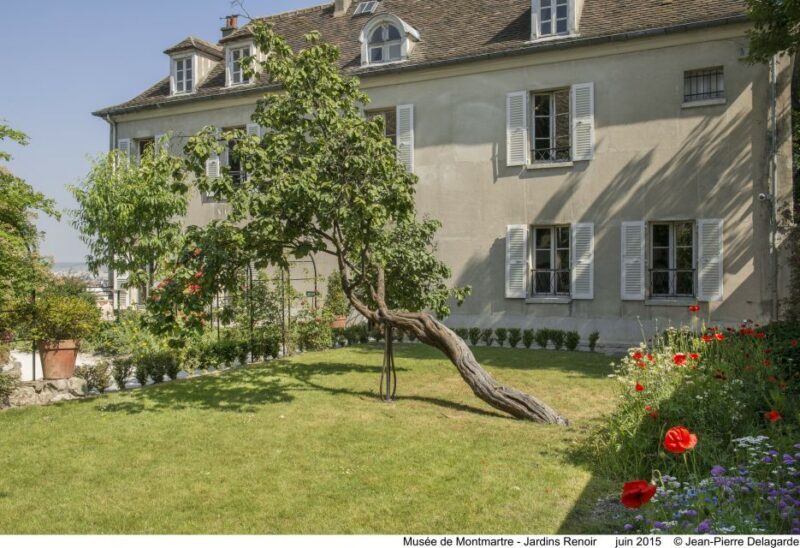
The garden is more than a pleasant extra. It gives you a quiet place to pause between the museum’s historical material and the busy streets of Montmartre. The ticket includes access to the Renoir private garden and the museum gardens, where you can look over the greenery and the vineyard.
The gardens have appeal in more than one season. They may feel especially restful in warm weather, but the setting can still be worthwhile when the plants are less lush. One visitor even found the gardens beautiful in the rain, which is a useful reminder that this is not only a summer stop.
You do not need to be an art specialist to appreciate the garden. It offers a change of pace, and the connection to Renoir adds another thread to the neighborhood’s artistic history. If you have spent the morning climbing Montmartre’s streets, a quiet outdoor break can be as welcome as another gallery.
The garden also helps explain why this museum feels different from a large city collection. You are moving between a historic house, exhibition spaces, and a green outdoor setting. That variety gives the visit a relaxed rhythm, though it also means you should leave yourself time to find each area rather than squeezing it into a hurried stop.
More Great Tours Nearby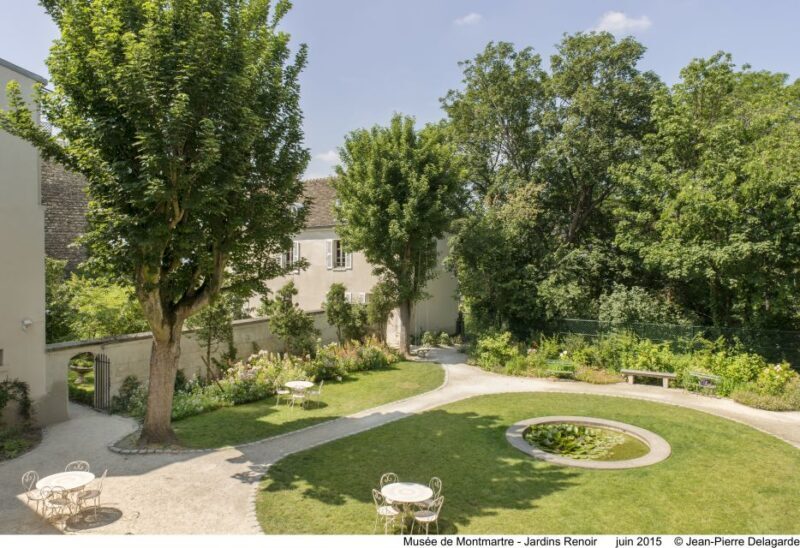
Café Renoir is included as an accessible part of the museum visit, but food and drink are not included in the ticket. The café is open from 11:00 a.m. to 6:00 p.m., while the museum opens at 10:00 a.m. and closes at 7:00 p.m. The café therefore does not cover the full museum day.
A garden lunch or a hot chocolate can make a pleasant pause, and the setting is a particular draw. But do not build a tight meal plan around the café: it may be closed for a private event. If you are visiting with picky children or need a dependable meal, have another option in mind.
The café’s location can also matter for wayfinding. Some museum spaces are reached through or near it, so keep an eye out for signs rather than assuming the café is only a separate refreshment stop. You can ask staff if you are unsure where to go next.
At $16 per person, the ticket includes the permanent and temporary exhibitions, garden access, the café, and an audio guide. That is a reasonable package if you want both the museum and a quiet outdoor break, especially since the audio tour gives you a clear route into the district’s past.
The value depends on how much time you can give it. If you only have a short gap in your day and plan to rush through the galleries, you may not get the full benefit of the house, the temporary exhibition, and the gardens. If you can set aside at least the 90-minute audio tour, with extra time to explore, the visit has more room to breathe.
You are paying for access and an independent visit, not a live guide. That makes the ticket a good fit if you like listening at your own pace and choosing where to linger. If personal commentary and a guide-led route are important to you, this is not that kind of experience.
The ticket is valid for one day, and the museum is wheelchair accessible. Last entry is 45 minutes before closing, so arriving late in the day can leave you with limited time, particularly if you also want to see the gardens or a temporary exhibition. Check available starting times when you book.
I’d put this museum on your list if you want to understand Montmartre beyond the familiar image of artists and cafés. The displays connect studios and paintings to the cabarets, performers, and neighborhood changes that made the district a creative center. You get a more rounded sense of the place than a quick walk past its best-known sights can offer.
It also suits you if you want a quieter stop in Montmartre. The garden gives the visit a calm counterpoint, and the museum’s smaller scale makes it easier to explore without committing to a full day. Art lovers will find plenty to follow, but the district’s social history gives non-specialists a reason to come too.
Families can visit, but keep expectations practical. The museum and garden offer a relaxed setting, while the café’s menu and availability may not suit every child. If a reliable meal is essential, plan one elsewhere.
Book it if you have time for a 90-minute audio tour plus a little extra for the garden and any temporary exhibition. The strongest reasons to go are the historic house, the clear account of Montmartre’s cabaret and art scene, and the chance to pause outdoors in the Renoir Gardens.
Skip it if you want a live guide, need a fast attraction with a simple one-way route, or have no time to explore beyond the main rooms. For an independent visit that connects the neighborhood’s artists to its everyday and performance life, this is a worthwhile use of a few hours.
“A beautiful museum- an entire history of Montmartre packed into a gorgeous house.”
The audio tour takes about 90 minutes. You are welcome to stay longer and explore the museum at your own pace.
It includes entry to the permanent and temporary exhibitions, access to the museum gardens and the Renoir private garden, access to the café, an audio guide, and skip-the-ticket-line entry.
No. The visit includes an audio guide, not a live guide.
The museum is open from 10:00 a.m. to 7:00 p.m. Last entry is 45 minutes before the halls close.
The café is open from 11:00 a.m. to 6:00 p.m. It may close for a private event.
Yes, the activity information states that the museum is wheelchair accessible.
The listed price is $16 per person.
Yes. You can cancel up to 24 hours in advance for a full refund.
No. The reserve-now, pay-later option lets you book without paying immediately.
You can check availability for your dates here: