Physical Address
304 North Cardinal St.
Dorchester Center, MA 02124
Physical Address
304 North Cardinal St.
Dorchester Center, MA 02124

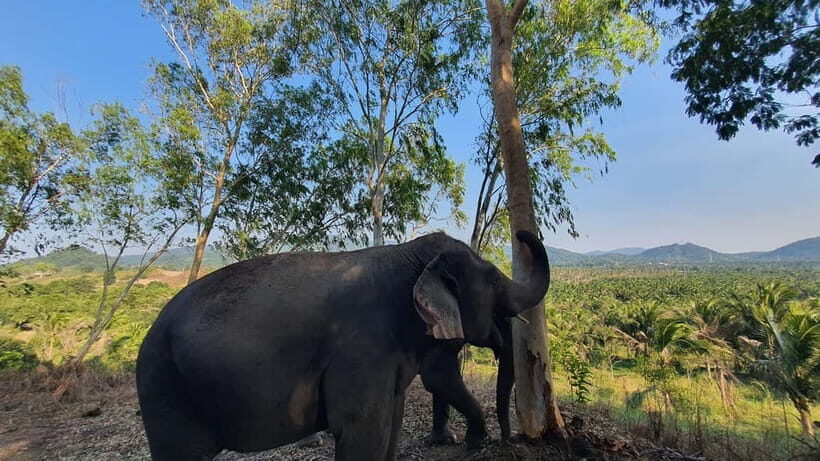
Meet rescued elephants at Living Green Sanctuary near Pattaya, with feeding, a forest walk, optional bathing, lunch and round-trip transport.
The best part of this outing is seeing elephants move about on their own terms. At Living Green Elephant Sanctuary, you can feed them, walk alongside them on forest paths and watch them bathe, without riding or performances. The setting in Chonburi’s hills gives the visit a calm, outdoorsy feel.
I like two things especially: the guides introduce individual elephants and explain the sanctuary’s work, and the activity asks you to follow the animals’ lead. A simple lunch of Ancient Pad Thai is included, too. One consideration: it can be hot, with stretches in the sun, and shared pickups may run late or take longer depending on hotel stops.
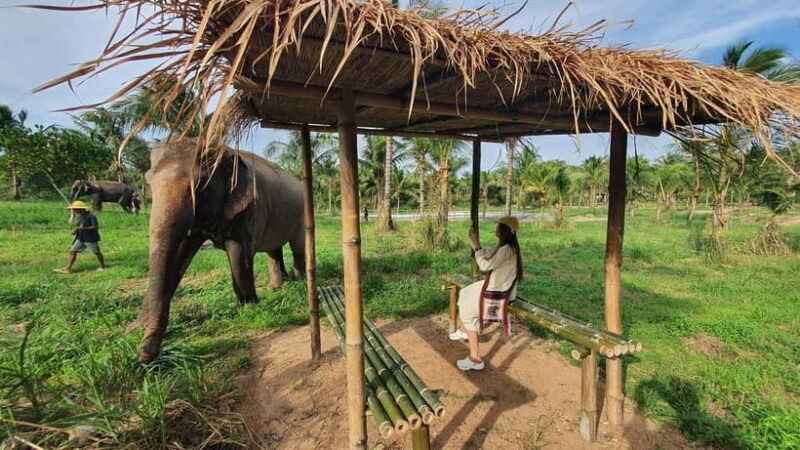
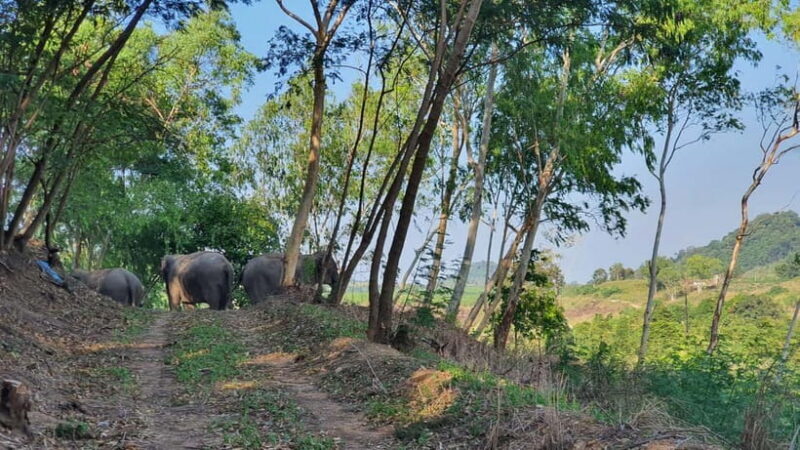
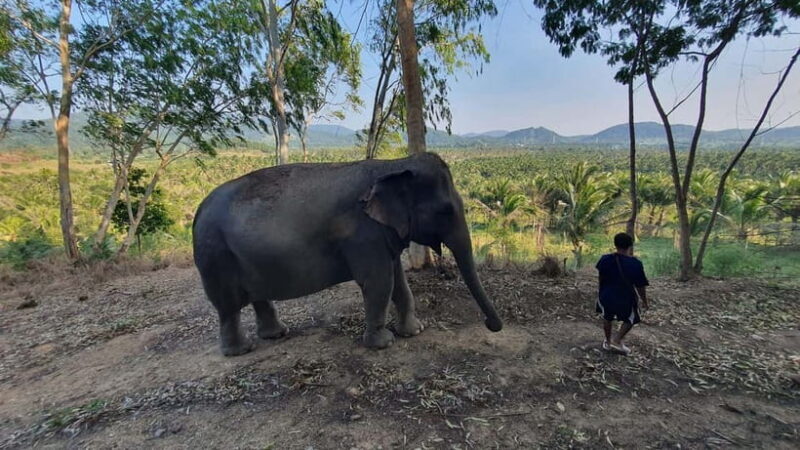
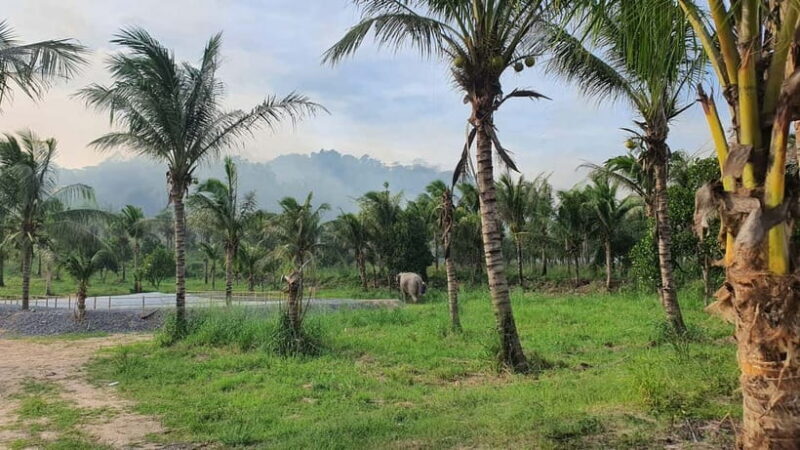
Living Green Elephant Sanctuary is about 45 minutes from Pattaya by van, in the hills of Chonburi Province. Its 40 acres provide space for rescued elephants to roam, forage and spend time away from people. This is not a quick roadside stop. You get a guided visit built around feeding, learning and watching the animals in their setting.
The sanctuary says it has a strict no-riding, no-chains and no-performances policy. That matters if you want to meet elephants but do not want to support rides or staged tricks. During the visit, the guides set rules for approaching and feeding them, and the elephants are allowed to move away or take space from the group.
It is still a close-contact activity. You may feed the elephants by hand and can choose to join them in the water. If you are uncomfortable with touching large animals or sharing a bathing area, you can enjoy the visit from the sidelines instead. There is no need to join every activity to get something from the day.
You might also be interested in these Pattaya experiences
Choose either hotel pickup or a meet-up directly at the sanctuary. With hotel transport, the listed morning window is 07:45 to 14:30, and the afternoon window is 11:45 to 18:30. Those are broad session times, not a promise of an exact pickup time. The operator sends your pickup details the day before, so check your email the evening before the trip and be ready early.
The drive is listed as about 45 minutes each way, though traffic and the order of hotel stops can change the total. Some pickups have taken longer than expected, while others have run smoothly. I would avoid planning a tight appointment immediately after the scheduled return, especially if you are sharing the van.
If you arrange your own transport, the morning sanctuary session runs 09:30 to 13:00, and the afternoon session runs 13:30 to 17:00. That option cuts out the Pattaya hotel pickup and drop-off, but you need to get yourself to the meeting point. Confirm the correct arrival details when booking.
The full program, including transfers, is described as six to seven hours. The advertised duration range is broad, so use the session times and pickup instructions for planning rather than assuming this is a short three-hour outing. Hotel location also affects the schedule. There are surcharges for hotels in Na Jomtien, Jomtien and the Nong Nooch Garden area.
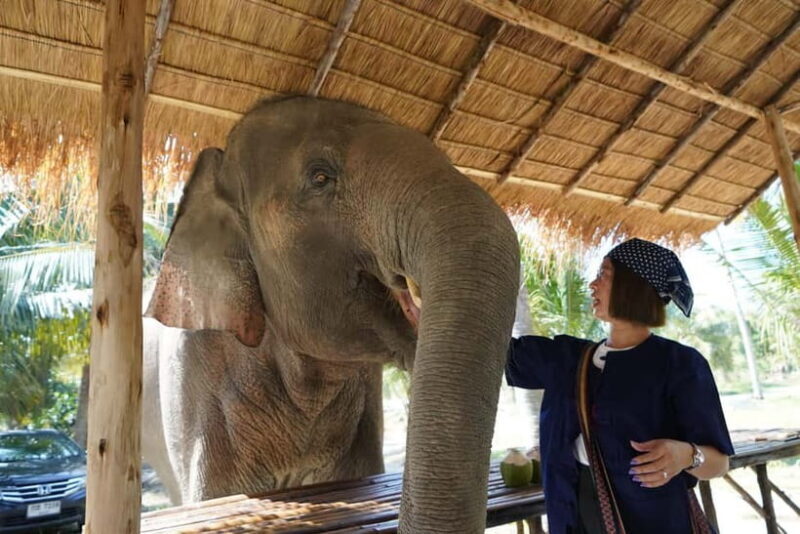
On arrival, you change into traditional Mo Hom clothing before meeting the animals. The guide gives a briefing on the elephants, the sanctuary and how to behave around them. Listen closely: feeding and touching are managed, and following instructions helps keep both you and the elephants safer.
Guides such as Lulu, Mod, Tuck and Adam have led visits. Names and guides can vary by date, but the approach described for the tour is consistent: explain elephant care and individual personalities, keep the group informed, and make the rules clear. Lulu, in particular, has been noted for sharing detailed stories about each elephant, while keeping the talk lively.
That personal context gives the encounter more meaning than simply standing near a large animal. You may hear about the elephants’ pasts and needs, then notice their different temperaments as they forage or interact. Some have memorable names, including Charlie, a young elephant mentioned by visitors. The sanctuary is a place to observe, not a guarantee that every elephant will perform on cue.
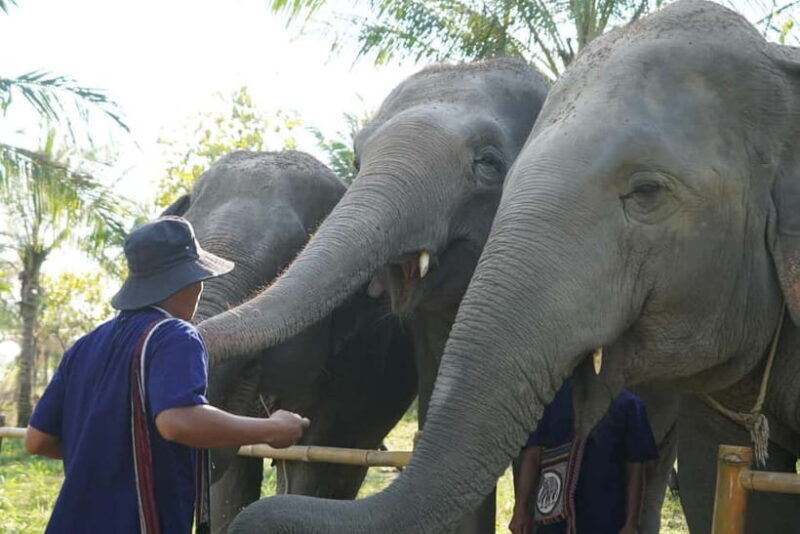
Hand-feeding is one of the most direct parts of the visit. You will be shown how to offer food safely, and the interaction is likely to be brief and supervised. It is a good chance to get close, but remember that the elephant’s comfort comes first. Keep to the guide’s instructions rather than reaching in for an extra photo or touch.
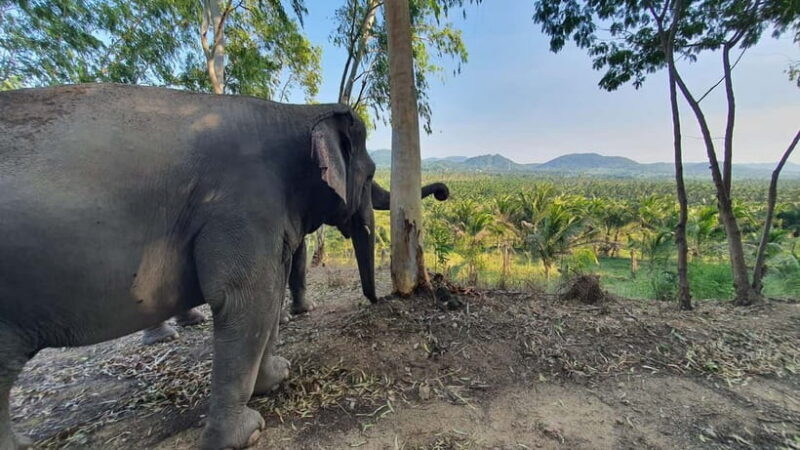
Next comes a short walk along forest paths and the hillside. You walk alongside the elephants as they move through their home, with time to see them forage and interact. The terrain is outdoors and can be uneven, so wear comfortable clothes and suitable shoes or sandals. The walk is described as small rather than strenuous, but bring what you need to stay comfortable in heat and humidity.
You might see the elephants roll in mud, which helps them cool off and protect their skin. Shaded seating areas offer a break and views of the surrounding mountains, though shade is not continuous. A little extra patience is useful while guides explain the animals outdoors; a hat and sunscreen are sensible, not optional luxuries.
The group size can shape how personal the visit feels. Small groups are available, but multiple vans or tour groups may sometimes come together at the sanctuary. If you are hoping for lots of individual photo time, be prepared to share space and take turns. The animals are not posed or required to look at the camera, which is part of the point, but it means photos are not fully predictable.
More Great Tours Nearby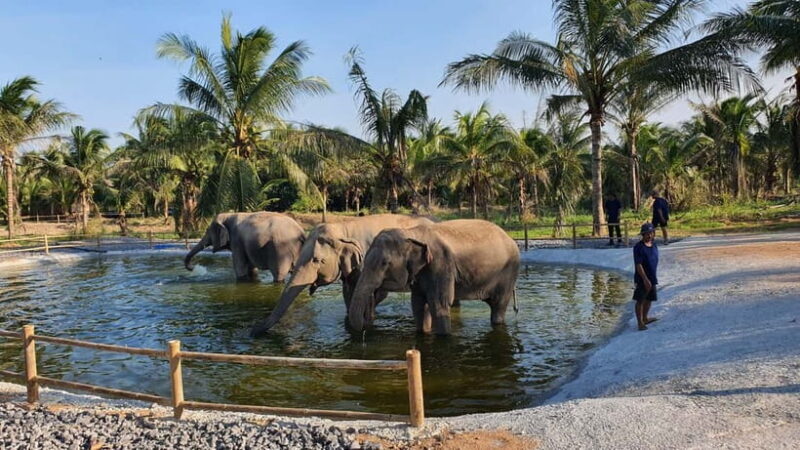
The water activity is often a memorable moment, but it should not be treated as a guaranteed elephant swim. You may be invited into the water as the animals bathe and play. Bring swimwear, a towel, sandals and dry clothes if you want to take part.
The sanctuary’s stated approach is not to force an elephant into the river. If the weather is too cold or an elephant does not want to enter, the activity will not go ahead for that animal. That can mean the schedule changes, but it is a useful sign of the visit’s priorities. You can still watch from nearby if you prefer not to get wet.
Some people may feel unsure about bathing alongside elephants. That is a fair hesitation, and you do not need to join in to enjoy the day. One visitor felt the bathing was the only part where the animals seemed slightly bothered, which is a good reminder to watch their behavior and follow the guide’s direction. Their choice to participate should always be respected.
After the outdoor activities, you can sit down to freshly prepared Ancient Pad Thai made with local ingredients. Watermelon and bottled water have also been provided, and the meal is included in the tour price. It gives you a chance to cool down and talk through what you have seen before the return journey.
The food is a practical plus, not just a token snack. You do not have to arrange lunch separately, and cold water is useful after walking in the heat. Clean toilet facilities are available, and there are shaded seating areas, although more shade would help during the hotter parts of the visit. Extra drinks may be available to buy, but personal expenses are not included.
At the end, you say goodbye to the elephants and return to Pattaya by van if you booked the transfer. Shared transport is convenient, but pickup and drop-off locations must remain the same as those originally specified. Medium and large suitcases incur an additional charge of 200 baht per bag, so this is not the best plan for moving hotels with bulky luggage.
At $57 per person, the price covers a guided sanctuary visit, a local meal and, if you choose the hotel-transfer option, transport from Pattaya and back. Traditional clothing and equipment are included. You are paying for several hours of animal care and guided contact, rather than a brief photo stop, and the meal and transfer reduce the number of arrangements you need to make yourself.
The value is strongest if you want an ethical-minded encounter and appreciate learning as well as feeding. It is less compelling if you want a guaranteed swim, a private visit or a quiet photo session with every elephant. The sanctuary experience is shared, and the elephants set the pace.
Booking terms include free cancellation up to 24 hours before the activity and a reserve-now, pay-later option. Those terms can help if your plans are still shifting, but check your selected option carefully for transport, meeting point and any area surcharge.
This is a good fit for animal lovers, families with older children, and anyone curious about elephant care who does not want to ride or watch performances. The experience is described as suitable for all ages and fitness levels, but children under two are excluded. Pregnant women, people with back problems and people with animal allergies are also listed as unsuitable.
It is also a strong choice if you are staying in Pattaya and want a change from the beach and city. The transfer saves you the task of arranging a separate trip to the sanctuary, while the hills, forest paths and animal time make the day feel different from town. Just be prepared for heat, some waiting and a schedule that can shift with traffic or weather.
If you prefer a hands-off wildlife visit, you can observe rather than feed or bathe. If your priority is close contact, follow the rules and accept that an elephant may choose to wander off. That flexibility is central to the experience, not a flaw in the itinerary.
Book this trip if you want to spend meaningful time near rescued elephants and value a no-riding, no-performance setting. The guides, individual elephant stories, included lunch and Pattaya transport make it an appealing day out for the price.
Skip it if you need a tightly timed half-day, dislike heat or want guaranteed bathing and photos. For the best visit, arrive ready for outdoor conditions, keep your schedule flexible and let the elephants decide how close the encounter gets.
“The experience was amazing. The elephants where all rescued and where really looked after. It was like you was the guest at the elephants home. The…”
The hotel-transfer program is described as six to seven hours, including transportation. The direct-to-sanctuary sessions run 09:30 to 13:00 in the morning or 13:30 to 17:00 in the afternoon. Actual timing can vary with traffic and pickup locations.
Hotel pickup and drop-off are included if you select the transfer option. You can also choose to meet at the sanctuary without transfer. The exact pickup time and driver details are sent before the trip.
You can feed them, walk alongside them on forest paths and observe their behavior. The program also includes bathing with elephants, but whether an elephant enters the water depends on its welfare and the weather.
No. Riding is not allowed, and the sanctuary states that it does not use chains or performances.
Bring a hat, sunscreen, insect repellent, comfortable clothes and shoes, swimwear, sandals, a towel and a change of clothes. The water activity can leave you wet.
Yes. A local meal is included, described as Ancient Pad Thai made with local ingredients. Watermelon and bottled water have also been provided.
Yes. Listed hotel surcharges are 100 baht for Na Jomtien, 200 baht for Jomtien and 300 baht for the Nong Nooch Garden area. Medium and large suitcases incur a 200-baht charge per bag.
It is not suitable for children under two, pregnant women, people with back problems or people with animal allergies. The experience is otherwise described as suitable for all ages and fitness levels.
You can cancel up to 24 hours in advance for a full refund. A reserve-now, pay-later option is also available.
You can check availability for your dates here: