Physical Address
304 North Cardinal St.
Dorchester Center, MA 02124
Physical Address
304 North Cardinal St.
Dorchester Center, MA 02124

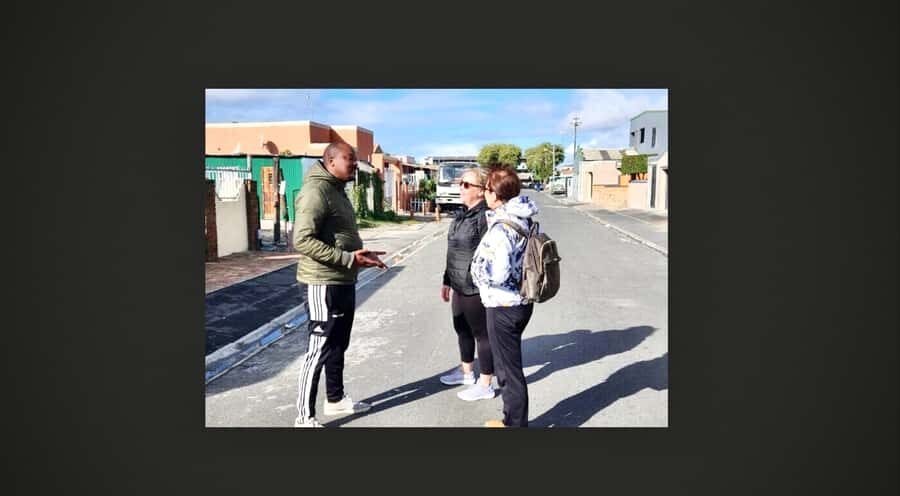
Walk Langa with local guide Nathi or Zuzi, hear its history, meet residents, and visit Guga S’thebe on this 2.5-hour Cape Town tour.
Langa is not a museum set apart from everyday life. It is a Cape Town community, and this walking tour puts you on its streets with a local guide who can explain the place from the inside. Nathi, who grew up in Langa, is a frequent guide; Zuzi, also known as Zuzie, has led tours too.
I like two things in particular: the chance to hear Langa’s story from someone rooted in the community, and the visit to Guga S’thebe, where local arts and community projects come into view. One consideration: this is a visit to people’s neighborhood, not a staged attraction, so it calls for curiosity, courtesy, and a willingness to listen.

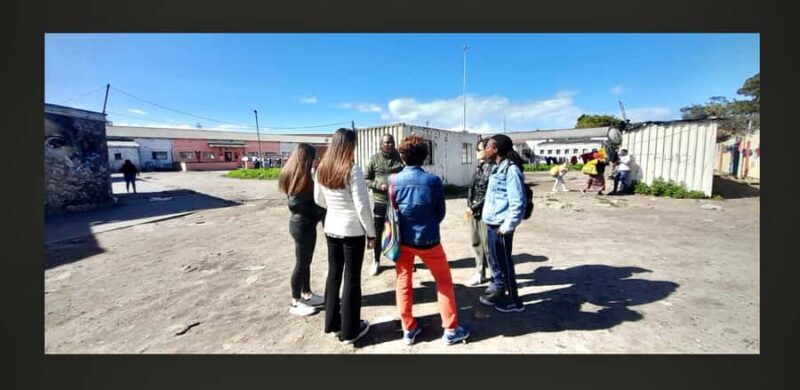
The value of this tour rests less on a list of sights than on who is leading the walk. Nathi is described as having grown up in Langa and knowing many people there. That familiarity changes the feel of a visit: greetings with neighbors and casual conversations can help explain how a community works beyond what you can see from the street.
Zuzi, also called Zuzie, has guided tours too. Her background in Langa gives her a personal connection to the area, and the tour’s stated languages are English and Xhosa. Guide assignments can vary, so if you are booking because you hope to meet a particular guide, check that detail with the operator rather than assuming who will lead your departure.
You will have room to ask questions about the township’s past and present. The guides’ role is not simply to point out buildings; it is to offer context about daily routines, local challenges, community life, and how history continues to shape the city. That is especially useful if your Cape Town visit has so far focused on the waterfront and other familiar sights.
Looking for more options in Cape Town? Here are some other experiences worth considering.
The meeting point is the main entrance of Guga S’thebe cultural centre at 36 Washington Street, Langa. Plan to arrive 15 minutes before the tour begins. The centre and marketplace give the walk a natural starting point, with local craftwork and community projects among the things you may encounter.
This stop helps set the right tone. It is not just a place to buy a souvenir; it can show how local creative work and skills projects support people in the community. Some visitors have also taken part in a short djembe drumming session. Treat that as something that may be included, not a guaranteed feature of every tour.
You may have time to browse handmade items, including pottery, and support local makers with a purchase. There is no need to buy anything to take part, but bringing some cash can be useful if you want to shop or leave a donation at a community project.

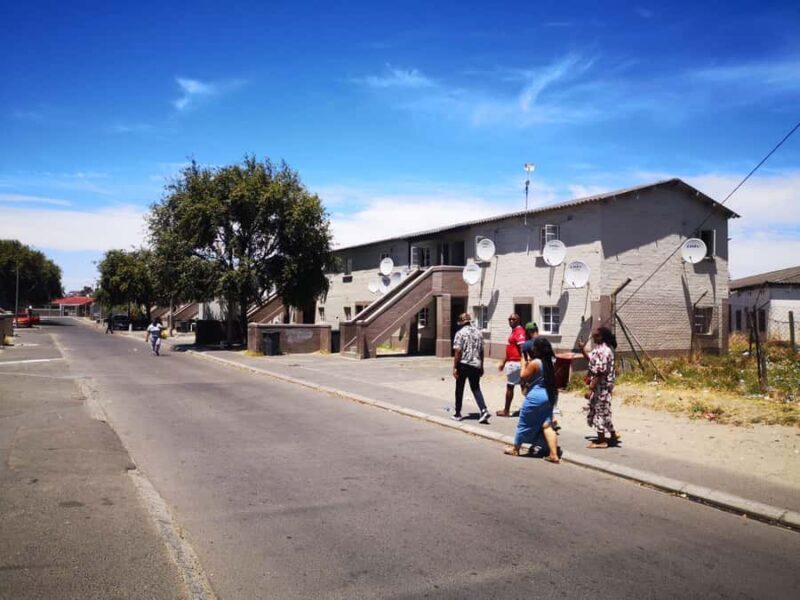
From the centre, the tour moves into Langa itself. Expect a walk through streets and neighborhood areas rather than a display designed for visitors. The guide provides the frame: where you are, what you are seeing, and how it connects with the wider history of the township and Cape Town.
That setting is the point, but it also asks something of you. People live and work along the route, so keep your attention on your guide, follow their lead about where to go, and be considerate when taking photographs. The tour is designed to be respectful and safe, but no neighborhood walk can promise that every visitor will feel the same way. If you have concerns, ask the operator about the route and meeting arrangements before you book.
A recurring strength of the walk is the guide’s ability to make introductions and explain local interactions. You might meet residents, pass community businesses, or see children and neighbors going about their day. These encounters are not performances. They are small, ordinary moments that can make the visit feel more grounded than a drive through the area.
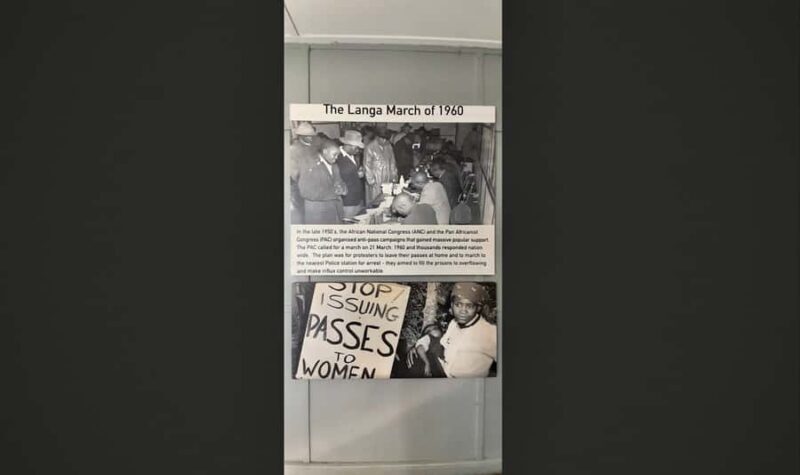
Langa’s story connects with the wider history of South Africa, including colonialism, apartheid, and the creation and growth of townships. The guide explains how that history relates to the community you are walking through and to the lives of residents today.
The best reason to take this tour is not to collect a dramatic image of hardship. It is to gain context. The walk can show both the inequalities that remain and the strength of local networks, community projects, and everyday life. That balance matters: Langa is not reducible to deprivation, nor should a visitor pretend the difficult conditions are absent.
You may hear about the advantages and challenges of life in the township, as well as hopes for improving social conditions. Give this part of the tour time. The history is not a short preface to the “real” visit; it is what helps you understand why the place looks and feels as it does.
More Great Tours Nearby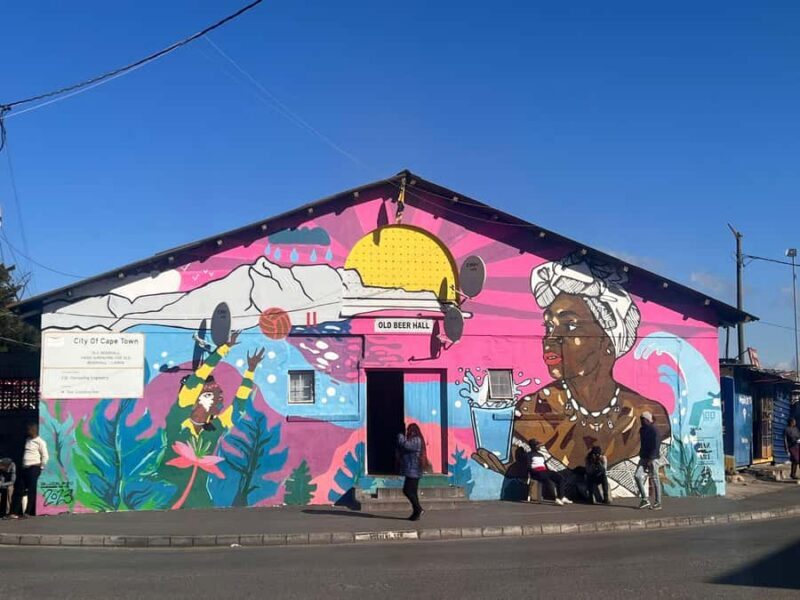
The tour description includes the chance to sample food from street vendors or local eateries. The exact food and stops are not specified, so think of this as a possible part of the walk rather than a fixed tasting menu. If eating locally is important to you, ask ahead whether food is included in your departure and whether you should bring extra money.
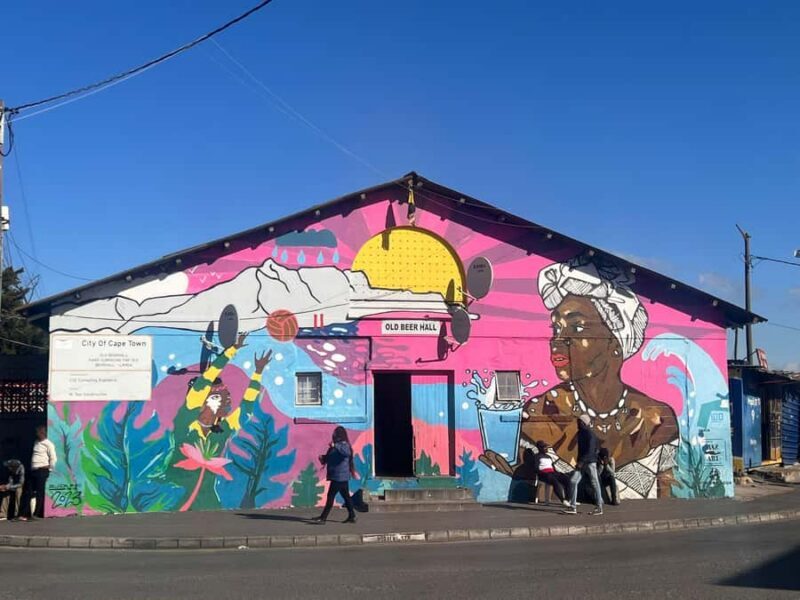
The marketplace and creative projects offer another way to engage with the neighborhood. You might see work made by local artisans or learn about efforts to help people develop skills and income. Buying something small can direct spending to local makers, but the meaningful part is also hearing how those projects fit into community life.
Some walks have included visits to a preschool or other local spaces. These details can vary, and they should never be treated as guaranteed access to private homes or institutions. Follow the guide’s direction about where visitors are welcome, and avoid giving gifts directly to children unless your guide says that is appropriate. If you would like to contribute, ask about a suitable local project.
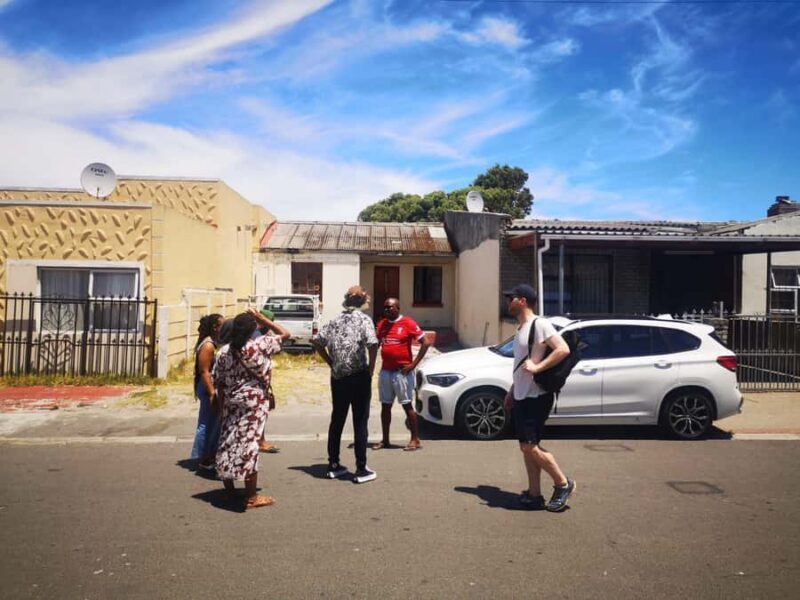
Many people arrive unsure about walking through a township. The tour is led by a local guide who knows the area and its residents, and that local presence is a practical advantage. Still, the operator’s assurance of safety should not replace ordinary care: stay with the group, listen to instructions, and ask the guide if you are uncertain about a situation.
Getting to the meeting point is also worth planning. Hotel pickup is available from Cape Town city centre, the Waterfront, and areas along the Atlantic seaboard, including Camps Bay; contact the operator for details. If you make your own way there, confirm your transport in advance. The meeting point is specific, and arriving early gives you time to find the main entrance without rushing.
The tour is listed as wheelchair accessible, but the route’s exact surfaces and conditions are not described. If you use a wheelchair or have mobility needs, contact the operator before booking to confirm what the walk involves on your date.
At $31 per person, the price covers a 150-minute guided walking tour. You are paying for more than the distance covered: the guide’s local knowledge, historical context, and ability to introduce you to parts of Langa that would be difficult to interpret on your own are central to the experience.
For a visitor who wants to understand Cape Town beyond its best-known tourist areas, that is a fair use of half a day. The value is strongest if you are ready to listen, ask questions, and engage thoughtfully with the place. It may feel less compelling if you expect a tightly scripted attraction, guaranteed food tastings, or a set of polished photo stops.
The tour allows free cancellation up to 24 hours before the start, and you can reserve now and pay later. Check availability for start times when planning the rest of your day. The duration is long enough to offer context without taking over a full day, though you should leave some breathing room before another timed activity.
This tour suits visitors who want a clearer understanding of South African history and contemporary life in Cape Town. It is also a good fit if you value local voices, are comfortable walking through an active neighborhood, and can approach the visit with respect rather than treating residents as part of a display.
Families may find it worthwhile too. One family with children aged eight and ten found the guide engaging for both adults and kids, though the experience is educational rather than a children’s attraction. Use your judgment about your family’s interest in history and ability to follow a guide for two and a half hours.
If your priority is mountain scenery, shopping, or a relaxing food tour, choose something else. If you want to understand more of the city than its waterfront and central sights can show, Langa offers a valuable perspective. I would book it for the local guide and the chance to hear history in the place it shaped, while keeping expectations flexible about specific stops.
Book if you want an informed, personal introduction to Langa and are prepared to visit a real community with care. The strongest reasons are the local guides, the history woven into the walk, and the chance to see community projects at Guga S’thebe. At $31 for 150 minutes, it is a worthwhile addition to a Cape Town itinerary built around learning as well as sightseeing.
Skip it if you are looking for a staged attraction or are uncomfortable walking through a residential area. For everyone else, arrive early, bring a few notes of cash if you may want to buy local craftwork or contribute to a project, and let the guide set the pace.
“I have been lucky to do a lot of walking tours in different places and what makes them is when you have a natural born story teller who is part of …”
The tour lasts 150 minutes, or about two and a half hours.
The listed price is $31 per person.
Meet at the main entrance of Guga S’thebe cultural centre, 36 Washington Street, Langa. Arrive 15 minutes before the tour starts.
Yes. Pickup is available from hotels in Cape Town city centre, the Waterfront, and areas along the Atlantic seaboard, including Camps Bay. Contact the operator for details.
The live tour guide speaks English and Xhosa.
The activity is listed as wheelchair accessible. Contact the operator to confirm the route’s specific conditions for your needs.
A guide and the walking tour are included. Food, craft purchases, and donations are not listed as included.
You can check availability for your dates here: