Physical Address
304 North Cardinal St.
Dorchester Center, MA 02124
Physical Address
304 North Cardinal St.
Dorchester Center, MA 02124

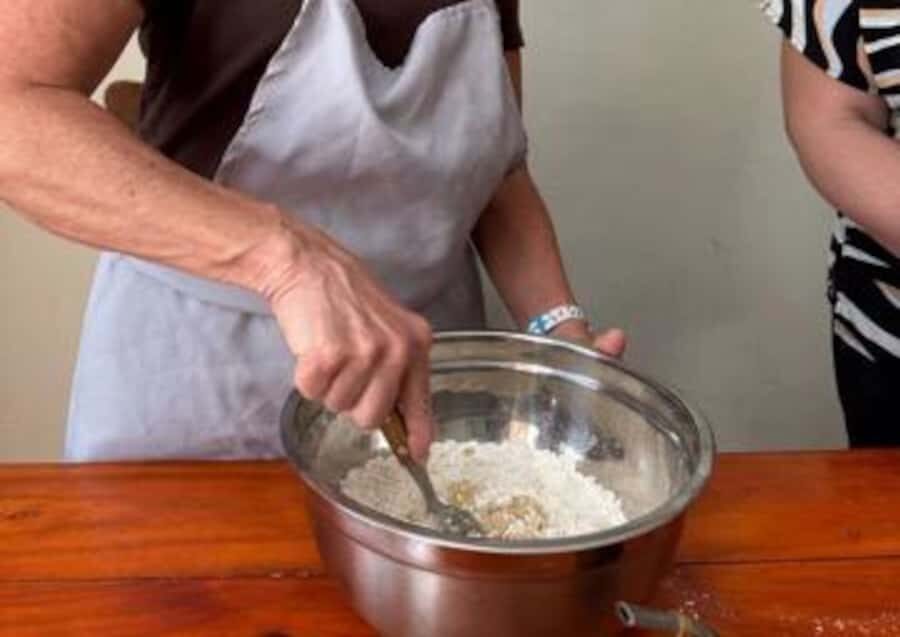
Make empanadas, alfajores and mate in a San Telmo home with a small group, hands-on instruction and a shared meal for $37 per person.
Empanadas are not just something to order with dinner in Buenos Aires. In this three-hour class, you make them by hand in a local home, learning how to prepare dough and filling and shape the folded edge called the repulgue. Then you turn to cornstarch alfajores, with dulce de leche between the cookies, and learn about mate along the way.
I like two things especially: the small group of no more than eight makes it easier to take part, and the home setting gives the cooking a personal feel rather than a classroom one. The meal is included, so you get to eat what you make instead of leaving with a recipe and an empty stomach.
One thing to keep in mind: the choice of empanada fillings may vary, and some sessions may use the same filling for more than one batch. A few cooks have also found the instructions or view of demonstrations less clear from some seats, so ask questions and move closer when you need to see a technique.
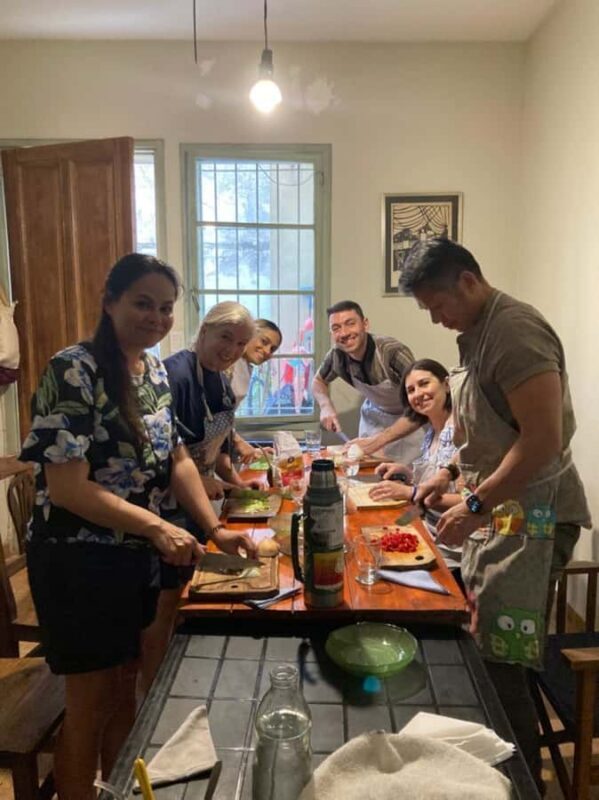
The class meets at Paseo Colon 1355 in San Telmo. Go to the address at your scheduled start time and ring the bell. The workshop takes place in a home, which shapes the mood: cooking feels closer to being welcomed into someone’s household than joining a formal demonstration.
That distinction matters. You are not only learning a set of steps; you are sharing a room, a meal and conversation with your hosts and a small group. Past instructors have included Thomas and Sophia, and some sessions have been hosted by Maria and her family. The people leading your class may vary, but the format is personal and informal.
The group limit is eight. That is small enough to make conversation easy and give you room to work, though it is still a shared activity. If you want a one-to-one lesson, this is not that. If you like the idea of cooking alongside a few other people and swapping travel stories over food, it is a good fit.
You can check availability for your dates here: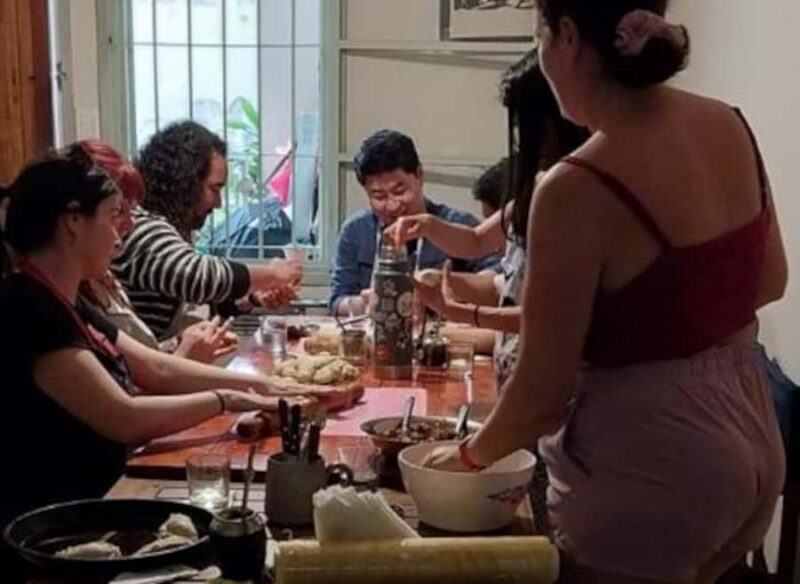
Empanadas are an Argentine staple, eaten at many times of day and filled with savory ingredients. The class covers the dough and fillings, then gives you the hands-on job of assembling the pastries. Depending on what is prepared for your session, fillings can include meat, ham and cheese, or vegetables. Meat and vegetarian options have both been offered.
The key technique is the repulgue, the twisted or folded edge that seals each empanada. It is both useful and decorative. At first, the folds may not look especially neat, but the point is to learn a repeatable method, not to win a pastry competition. This is one of the most practical parts of the class: you can take the skill home and use it with other fillings.
Be ready to work with your hands and follow the host’s demonstration. Some people find the steps easy to follow, while cooks who are new to dough may want more explanation. If you are unsure, ask the instructor to show a movement again. In a small group, there is usually a better chance to get that help, though your view may depend on where you are sitting or standing.
The filling selection is worth checking if it matters to you. The activity describes a variety of savory options, but the number of fillings can differ by session. If you have a strong preference, such as wanting both meat and cheese, ask the provider before booking rather than assuming every class will prepare several kinds.
If you prefer having a local expert, these guided Buenos Aires experiences could work well
The sweet half of the workshop is alfajores, a much-loved Argentine treat. This version uses cornstarch cookies and dulce de leche, the thick caramel-like milk spread that gives the filling its familiar sweetness. You prepare the cookies and assemble them, then have dessert after the savory cooking.
Making both dishes gives the session a pleasing rhythm. Empanadas ask for careful filling and sealing; alfajores shift the focus to baking and putting together a sweet. You get a broader sense of home cooking than you would from a class devoted to only one recipe.
The class is hands-on, but it is still a group activity. The host guides the process, and you share the kitchen and equipment with the other participants. If you are cooking with children or a family member who likes to help, the format has worked for families, including those with teenagers and younger teens. Each person can take part at their own comfort level.
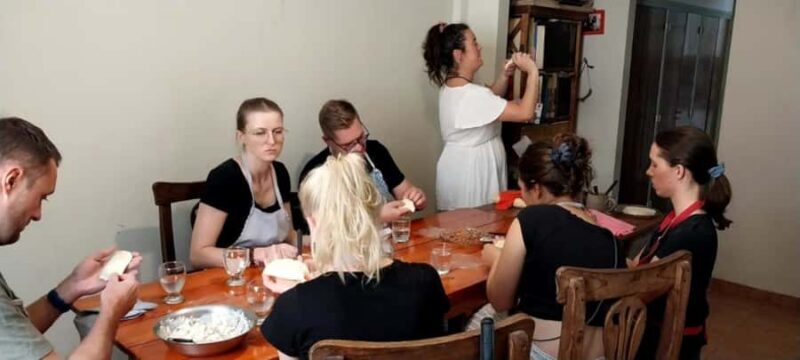
Mate is a traditional herbal drink, and the class includes instruction on preparing it in the Argentine style. It is more than a beverage served on the side. Learning how it is made gives you a small but useful window into everyday food customs, and the shared cup can prompt conversation while the cooking is underway.
Mate is included, along with water. Wine is not included, but it is available to purchase. If you do not drink wine, there is no need to arrange an alternative drink for the class. The mate and water are part of the stated inclusions.
The cultural explanations are a real part of the activity, not just filler between kitchen tasks. Hosts have discussed local food traditions and aspects of Argentine life alongside the cooking. If your time in Buenos Aires is short, that context helps connect the recipes to the place where you are eating them.
After the cooking, you eat the empanadas and alfajores as a meal, with time for conversation. The food is not a small tasting designed to leave you hungry for dinner. The included meal is the result of your work, and the cooking quantities have been generous enough that some people have had food left over.
That shared meal is a big part of the value. You get an activity, instruction, cultural context and dinner in one three-hour block. The group may include people from different countries and families, which often makes the table as interesting as the recipes. The hosts help set a welcoming tone, but you should expect a social evening rather than a quiet, private lesson.
Practical comfort can be simple. One participant would have preferred plates to napkins for eating, so do not expect restaurant-style table service. The focus is home cooking and a relaxed meal, not polished dining-room presentation.
More Great Tours NearbyAt $37 per person, the price includes the three-hour cooking class, ingredients, mate, water and a meal. That is solid value if you want more than a quick demonstration: you participate in preparing two dishes, learn a traditional drink ritual and eat the results.
The price is easier to justify if you value the cultural and social parts as much as the recipes. You are spending a substantial part of an evening in a home, with a small group and hosts who explain the food and local customs. If you only want to taste empanadas, a bakery or restaurant will cost less and take far less time. This class is for learning and conversation, not just filling a plate.
Wine costs extra. Also consider that the session lasts three hours. It is a relaxed activity, not a stop you can squeeze between several short sightseeing visits without planning around it.
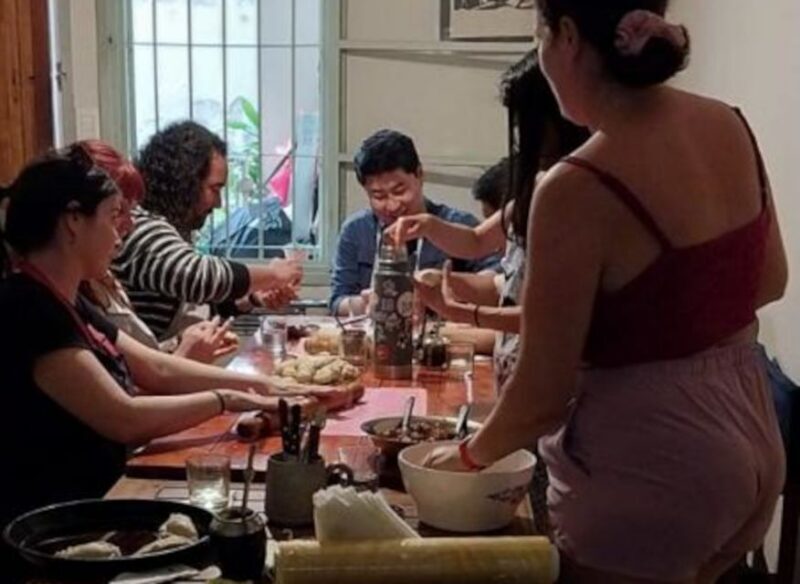
I would choose this workshop if you like getting involved in local food rather than simply ordering it. It suits curious cooks, couples, solo visitors comfortable in a group, and families whose children enjoy making things by hand. The cooking does not require you to arrive as an expert, although first-time cooks should speak up if a step is unclear.
It is also a good option for meeting people. The maximum group size of eight keeps the gathering intimate, and the meal gives everyone time to talk. If you prefer a formal cooking school, precise individual instruction or a guaranteed selection of several fillings, this may feel less structured than you want.
Classes are offered in English and Portuguese, and the activity is listed as wheelchair accessible. The providers offer free cancellation up to 24 hours before the class, and a reserve-now, pay-later option is available. Check the current start times when choosing your date.
Arrive at Paseo Colon 1355 at the start time and ring the bell. Since this is a private home, you should not expect a storefront or restaurant entrance. Give yourself enough time to find the address without rushing.
Wear something comfortable for a hands-on cooking session. The class includes the ingredients and equipment needed for the activity, but you will be sharing the working space with the rest of the group. Move closer for demonstrations if you cannot see clearly, and ask the host to repeat a step rather than trying to guess at the dough or folding technique.
Before you leave, confirm how to get the recipes. Some participants have received them after the class, while others have needed to follow the host on Instagram and ask for them. That small follow-up is worth sorting out while you are still with the hosts, especially if you want to recreate the empanadas and alfajores at home.
Book this class if you want a warm, participatory evening that brings together Argentine food, mate and conversation. The home setting, small group, two recipes and included meal make the $37 price appealing, especially if you would rather learn how a dish is made than just eat it.
Think twice if you need a tightly choreographed lesson, a guaranteed set of fillings or a restaurant-style meal. For most people who enjoy cooking with others, though, this is a good way to spend three hours in San Telmo and leave with a few techniques worth trying again.
“I really enjoyed the cooking class! The guidance, the explanation everything was top! The only thing I would have liked is a second filling for the…”
Go to Paseo Colon 1355 in San Telmo at the class start time and ring the bell.
The activity lasts three hours. Check availability for the starting times offered on your date.
The class includes ingredients, mate, water and a meal made during the workshop. Wine is available to purchase separately.
You will prepare Argentine empanadas and cornstarch alfajores filled with dulce de leche. The class also covers how to prepare mate.
Instruction is offered in English and Portuguese.
You can cancel up to 24 hours in advance for a full refund. A reserve-now, pay-later option is also available.
You can check availability for your dates here: