Physical Address
304 North Cardinal St.
Dorchester Center, MA 02124
Physical Address
304 North Cardinal St.
Dorchester Center, MA 02124

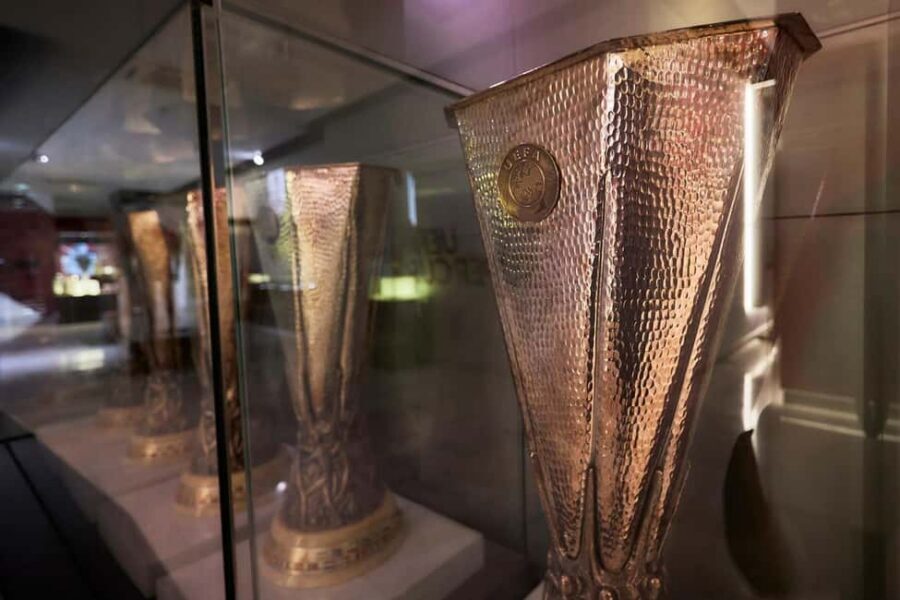
Tour Sevilla FC’s stadium, from its trophy displays and players’ tunnel to the press room and pitch, with a self-guided audio app.
Sevilla FC’s stadium tour takes you from the club’s early story to the players’ changing room, then through the tunnel toward the pitch. You can stand where the team prepares to play and picture the noise of a full stadium.
I like two things in particular: you can explore at your own pace, and the route pairs club history with real working spaces, including the press room and VIP areas. The audio-guide app is available in nine languages, which makes the exhibits easier to follow.
The main consideration is that this is self-guided, not led by a tour guide. Bring a charged phone and be ready to use the app; one visitor was unsure how to access the audio, so check the instructions when you arrive.
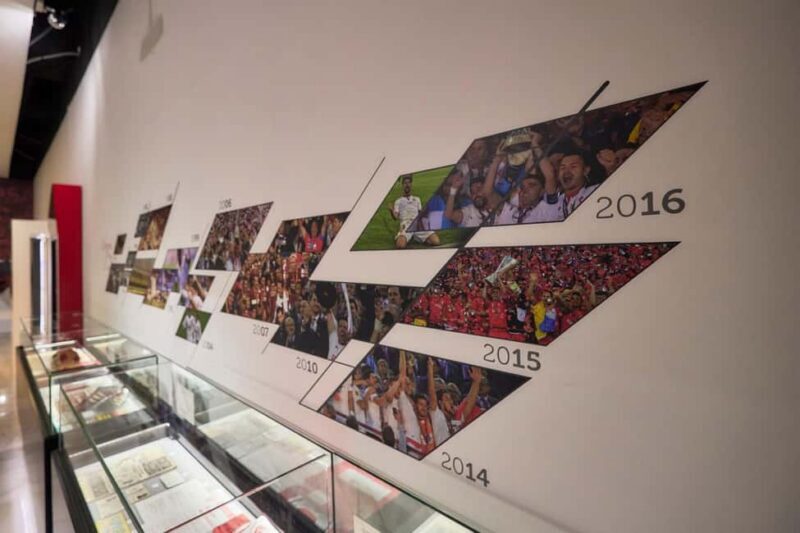

The tour begins in the museum, where the club’s past gives the stadium spaces around it more meaning. Sevilla FC dates to 1890, and the exhibits trace its origins, early football in Spain, and the players, coaches and presidents who shaped the club.
This is useful even if you follow football only casually. A stadium can be impressive on its own, but the club’s timeline explains why certain jerseys, photographs and trophies matter to its supporters. The displays give you a way into Sevilla’s sporting identity without requiring you to arrive knowing the club’s history.
The museum includes shirts worn by players and trophies from key competitions. La Liga, the Copa del Rey, the Supercopa de España and the Supercopa de Europa all feature in the club’s story. You can see its successes represented in objects rather than just read a list of results.
Sevilla’s record includes five Copa del Rey titles, among the honours highlighted on the tour. Trophy displays may appeal most to fans who know the competitions, but the photographs and jerseys help make the story accessible to everyone else. Take time to read the context instead of treating the museum as a quick corridor on the way to the pitch.
The stadium itself opened in 1958 and hosted the 1982 World Cup semifinal. That gives the venue importance beyond its role as Sevilla FC’s home ground. If you are interested in football history, the chance to stand in a stadium tied to a major international tournament adds another layer to the visit.
You might also be interested in these Seville experiences
This is an independent visit with an audio-guide app, not a live-led tour. You can move through the exhibits and stadium areas at your own speed, which is handy if you want to linger over club history or take photos without keeping up with a group.
The app is offered in Arabic, Chinese, English, French, German, Italian, Japanese, Portuguese and Spanish. That range gives international visitors a good chance of following the commentary in a language they understand. The guide adds background to the different areas, from notable matches to behind-the-scenes spaces.
A practical note: the tour information describes an app rather than a headset. One visitor was unsure whether they needed to download anything, so take a moment at the start to confirm how the audio works and make sure your phone is ready. There are staff members around the route who can answer questions, but don’t count on a guide walking with you and explaining each stop.
The freedom to set your own pace is one of the tour’s strengths. Families can pause for photos, and football fans can spend longer with the displays that catch their eye. On the other hand, you will need to take responsibility for following the route and engaging with the material; anyone who prefers a guide’s stories and live explanations may find this format less satisfying.
The visit is listed as 1.5 hours. That gives you a useful planning estimate for the museum and stadium sections, though your own pace will shape the experience. If you like to read every panel or take plenty of pictures, leave some flexibility in your day.
After the museum, the route leads into the stadium’s more exclusive spaces. The VIP box gives you a view from the club’s formal seating area, where you can imagine watching a match as a club official rather than from the stands.
It is a short stop, but it changes how you see the venue. The stands and pitch are not only a backdrop for football; they are also a place where club leaders and invited visitors watch the game. If you enjoy comparing viewpoints, notice how the VIP area frames the field differently from the lower stadium spaces.
The media room offers a lighter moment. You can sit in the press-conference setting and imagine fielding questions as a player. For children, or for anyone who enjoys a bit of role-play, this makes a nice change from reading displays. It is also a good photo stop, especially if you want a souvenir shot that is more personal than a picture of an empty corridor.
The press room is not a substitute for a live match, of course, but it helps show how much of football happens away from the playing surface. Interviews and post-match media are part of the sport’s public life, and this room gives you a quick sense of that routine.
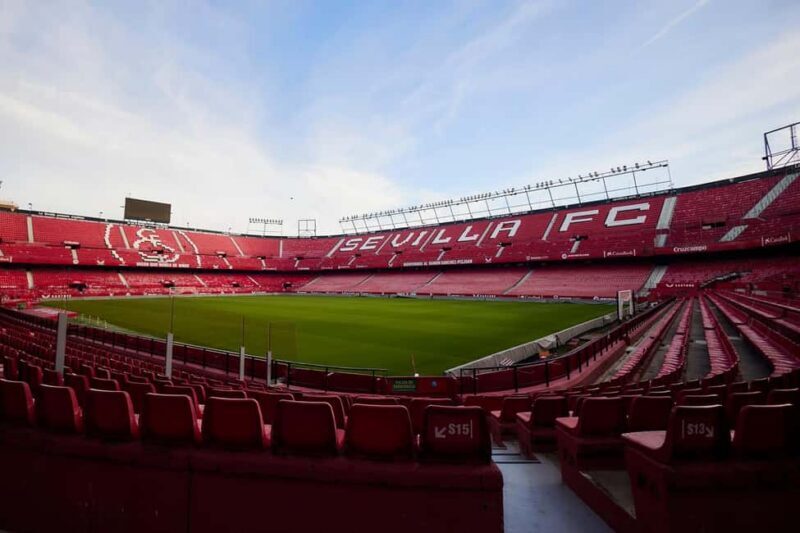
The changing room is one of the tour’s most anticipated stops. This is where players prepare, hang their shirts and get ready to go out. Even without a match underway, the room helps turn the team’s story into a physical place you can step into.
From there, you follow the route toward the pitch through the players’ tunnel. The tunnel is a highlight because it narrows the gap between watching football and imagining the players’ approach to the field. You can picture the transition from a quiet room to the roar of supporters, with the stadium anthem in the background.
The tour invites you to imagine that match-day moment, rather than recreating a live crowd experience. You should not expect fans to be in the stands or a match to be taking place. Still, walking the same route toward the pitch gives you a more direct sense of the stadium than a museum visit alone.
Some visitors have also appreciated access to the directors’ seats and dugout. These let you look at the field from places associated with team management and match-day decisions. Access can make for strong photos, so take your time rather than rushing through the stadium section.
Pitch access is a major draw, especially for football fans. Being close to the field gives you a clear sense of the scale and layout of the venue. The exact feel of the visit can depend on the condition of the pitch; during a past visit, it was being renewed, so the surface was not in its usual state. The key appeal remains the chance to see the playing area at close range.
More Great Tours Nearby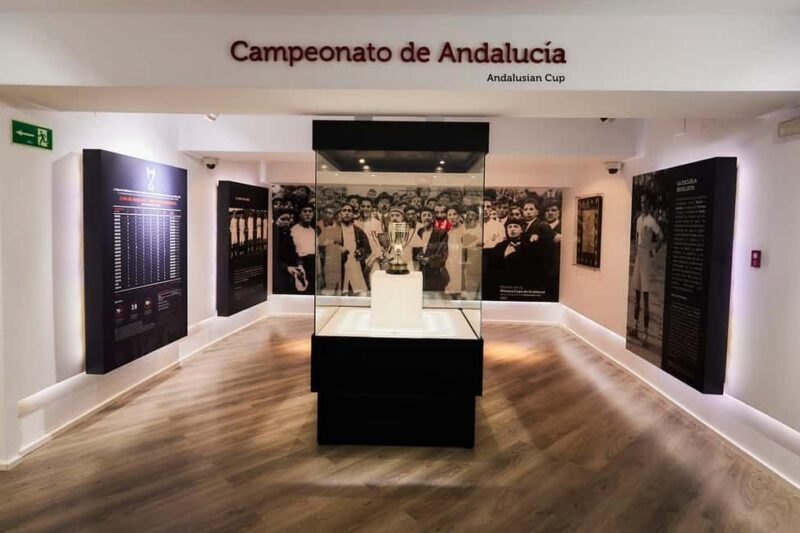
At $16 per person, this is a reasonably priced way to spend about 90 minutes at one of Seville’s most notable football venues. The ticket includes stadium entry and the audio-guide app, and it covers several different kinds of stop: museum exhibits, VIP space, the press room, changing room, tunnel and pitch.
The value is strongest if you plan to use the full route. A quick look at the trophies alone would make the ticket feel less worthwhile, while taking time with the displays and stadium spaces gives you more for the price. You can also move at your own pace, so there is no pressure to keep up with a group or spend too long in a section that does not interest you.
The activity is listed as skipping the ticket line, though you should still check the available start times when booking. The meeting point is Puerta 2. No live guide is included, so the value comes from the route, exhibits and audio app rather than a guide’s commentary.
An optional photo experience has been offered for an additional €10. Treat that as an extra rather than part of the ticket, and check whether it is available on the day if you are interested. The stadium shop is also at the end of the route, so you may want to decide in advance whether you are happy to browse club souvenirs.
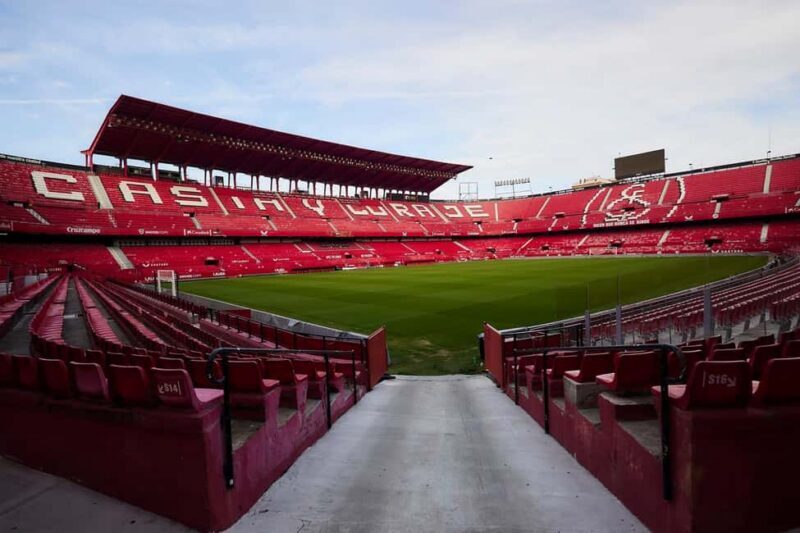
You will get the most from this visit if you follow Sevilla FC, enjoy football grounds, or are curious about how a major club presents its history. The shirts, trophy displays and match-day spaces give fans plenty to connect with, while the tunnel and pitch offer a memorable physical experience.
It can also work well for families. The press-room role-play and access to the changing room and pitch give children more to do than simply read museum panels. Because it is self-guided, you can pause when they want to look around and move on when they are ready.
You do not need to be a dedicated football fan to enjoy it. The stadium’s 1958 opening, World Cup connection and club origins provide useful context, and the range of spaces helps the visit feel varied. If you have already done several stadium tours, however, you may find this one less detailed than some tours with a live guide. Its strengths are the self-paced format and access to the stadium’s key areas.
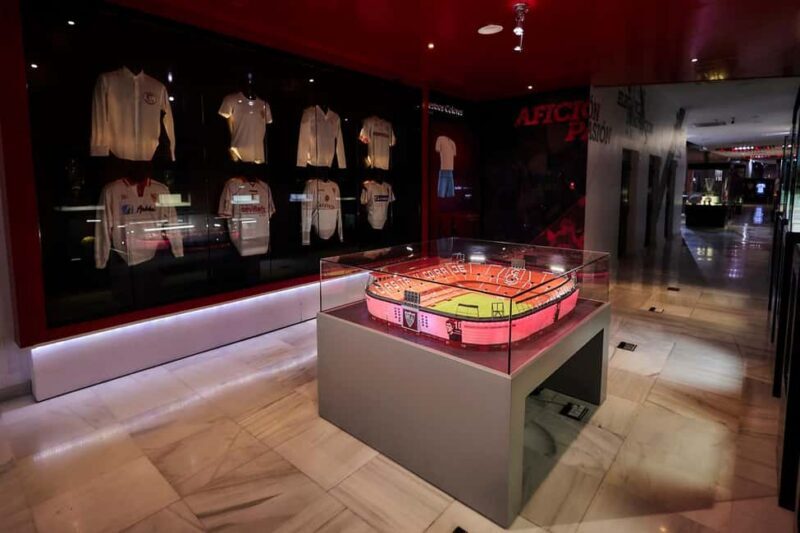
Book this tour if you want a straightforward, affordable look at Sevilla FC’s museum and match-day spaces, especially the changing room, tunnel and pitch. The self-guided route makes it easy to take your time, and the audio app helps explain the club’s story.
Skip it if you strongly prefer a live guide or want a highly detailed, hosted tour. For everyone else, $16 buys a solid mix of club history and behind-the-scenes access, with enough variety to suit both football fans and curious visitors.
“Great stadium tour and a brilliant experience for any football fan. The atmosphere was friendly and lots of knowledgeable information displayed. Se…”
The listed duration is 1.5 hours. Your pace may affect how long you spend at the exhibits and stadium stops.
The listed price is $16 per person.
No live tour guide is included. The visit is self-guided, with an audio-guide app.
The audio guide is available in Arabic, Chinese, English, French, German, Italian, Japanese, Portuguese and Spanish.
The meeting point is Puerta 2.
The route includes the museum, VIP area, press room, players’ changing room, tunnel and pitch. The tour also highlights the directors’ seats and dugout.
The ticket includes entry to Ramón Sánchez-Pizjuán Stadium and the audio-guide app.
Yes. The museum covers the club’s origins in 1890, its players, coaches and presidents, and major trophies and moments.
No. The activity is listed as non-refundable.
You can check availability for your dates here: