Physical Address
304 North Cardinal St.
Dorchester Center, MA 02124
Physical Address
304 North Cardinal St.
Dorchester Center, MA 02124

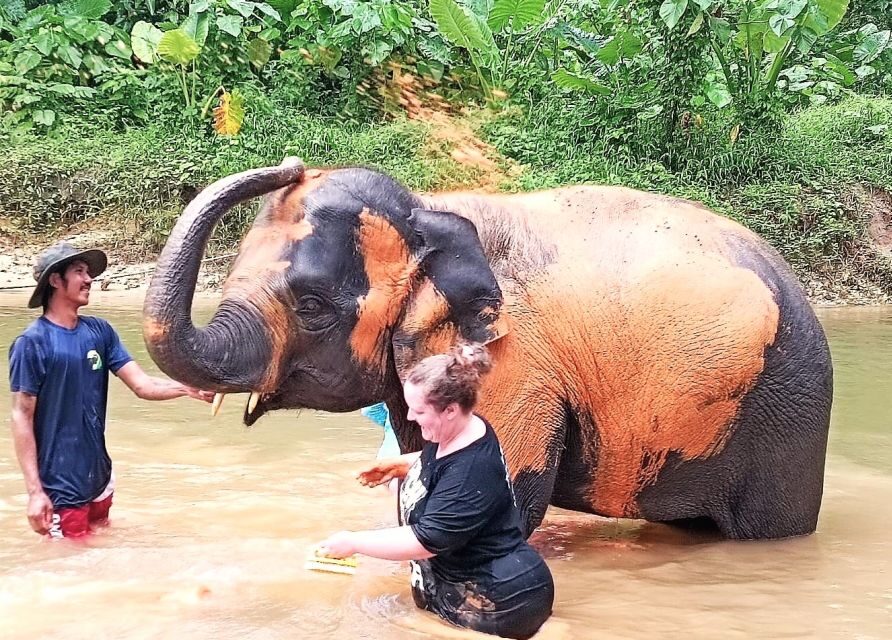
Spend three hours at Khao Lak Elephant Conservation, watching rescued elephants at their own pace and making Thai snacks and herbal crafts.
Khao Lak Elephant Conservation puts the elephants’ choices at the center of the visit. Instead of a set show, you get an introduction to Thailand’s domestic elephants, time to observe them with experienced mahouts, and a chance to follow them at a respectful distance.
I like two things about this three-hour outing: the observation-first approach gives the elephants room to set the pace, and the Thai activities, from making Ya Dom inhalers to cooking coconut pancakes, make the visit about more than taking photos. Guides such as Didi, Winnie, and Lala have been praised for explaining the animals’ stories and helping with photos.
One point needs checking before you book: the stated rules say no touching or bathing, but some accounts of this same outing describe feeding and washing elephants. If strict observation is important to you, ask the operator which activities are currently permitted. The tour also excludes pregnant women and people with mobility impairments.
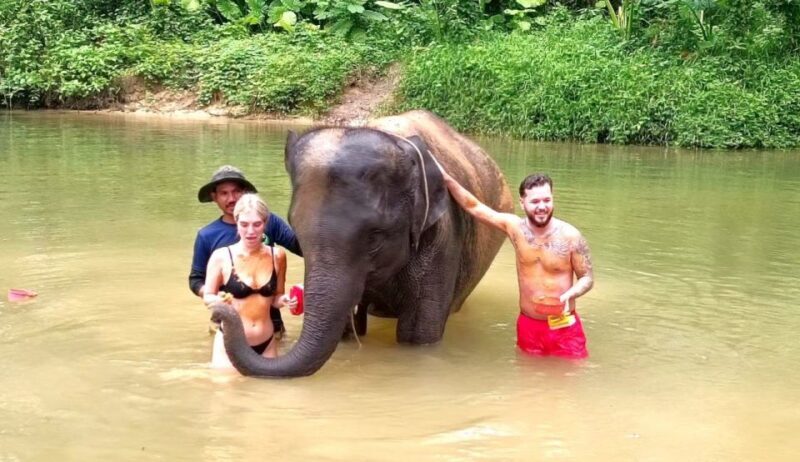
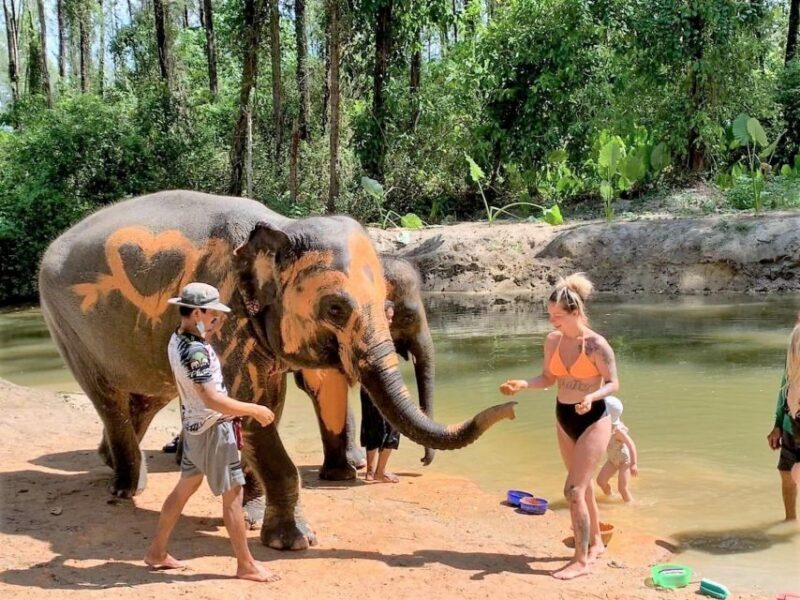
The outing begins with hotel pickup in Khao Lak and a roughly 30-minute drive to Khao Lak Elephant Conservation. Transport is included in the $56 price, and the air-conditioned van is a welcome start in Thailand’s heat. Be in your hotel lobby 10 minutes before pickup; the driver waits no more than five minutes after the scheduled time.
At the sanctuary, you first get a visual and audio introduction to Thailand’s domestic elephants, the country’s cultural relationship with them, and the welfare problems that shape modern elephant tourism. The pre-recorded material is available in 40 languages, while the live tour assistance is in English. That distinction matters if you are choosing the tour for someone who does not speak English: the introduction may be accessible, but the live explanations are listed as English-language.
I value this opening because it gives you a frame for what follows. Elephants in Thailand have long been part of human life, but a sanctuary visit is not automatically ethical just because it uses that label. Learning about rescued domestic elephants and the sanctuary’s approach helps you ask better questions and pay attention to what the animals are actually doing.
Looking for more options in Khao Lak? Here are some other experiences worth considering.
Before meeting the elephants, you prepare a traditional herbal health supplement. The sanctuary says caretakers later offer it according to welfare-based feeding practices. It is a modest activity, but it helps explain that elephant care is daily work, not just the public-facing moment of a visit.
Accounts of the outing also describe preparing protein-rich food and feeding elephants. That is where the written program and reports of what happens on site do not line up perfectly: the stated policy says observation-only and no forced interaction, while some accounts describe direct feeding. Do not assume you will be able to feed or touch an elephant. Ask the operator to confirm the current rules if that detail affects your decision.
The staff and mahouts are central to the experience. The mahouts accompany the elephants and share information about their histories, care, and behavior. Named guides in accounts of the tour include Didi, Winnie, Lala, Bond, and Shane. The names may vary by date, but clear, friendly explanations and help taking photos are recurring strengths.
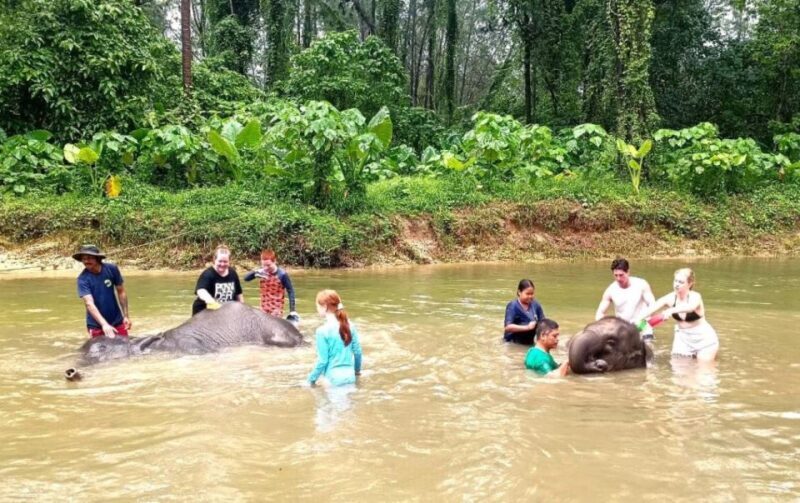
The main elephant activity is a guided observation walk inside a defined area. You follow behind the animals at a respectful distance as they move under their mahouts’ supervision. The stated plan is explicit: you do not lead, control, or touch the elephants.
That makes the walk a different kind of encounter from a ride or a close-contact photo session. You are there to watch what the elephants choose to do, not to direct them for a camera. If you are used to tours that promise constant interaction, this one may feel quieter. That is the point, and for anyone concerned about animal welfare, restraint can be a more meaningful part of the visit than a staged activity.
The mahouts’ explanations add human context. You hear how each elephant came to the sanctuary and what its care looks like now. The information provided does not include specific rescue histories, so expect an introduction to individual animals rather than a detailed account of every past event.
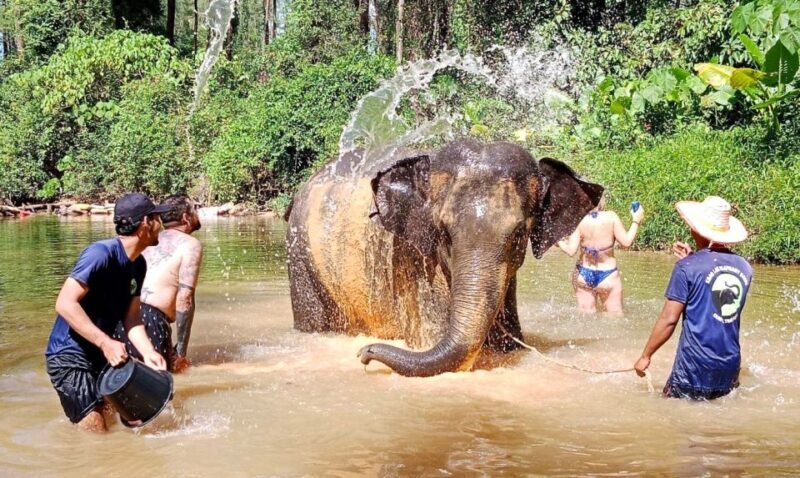
The walk pauses at a designated viewing platform near a natural creek. From there, you may see elephants bathe or play in mud if they choose to do so. There is no set bathing time and no guarantee of a particular behavior. That uncertainty is important: the visit is built around observation, not a promise that an elephant will perform on cue.
Here, too, clarify the policy before you go. The formal description says you watch from the platform and that there is no bathing with elephants. Some accounts of the outing describe visitors washing elephants or getting into the water with them. Those are not minor differences in wording. If you want a strictly hands-off experience, ask the operator what the current visit allows and follow the mahouts’ instructions on the day.
The viewing platform also offers a useful pause in a fairly full program. Take time to watch the animals’ movements and interactions rather than treating the stop as a quick photo opportunity. Bring a hat, sunscreen, and insect repellent; the visit takes place outdoors, and the tour runs even in poor weather.
More Great Tours Nearby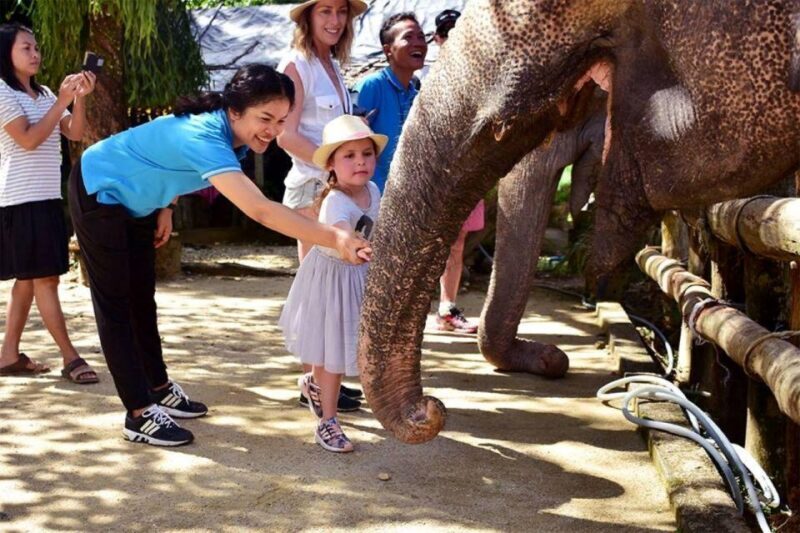
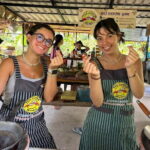
After the elephant activities, the cultural workshop shifts attention to everyday Thai life. You make a Ya Dom, a herbal inhaler commonly used in Thailand, and take it home as a small, practical souvenir. It is a good counterpoint to the elephant focus: you leave with a better sense of local customs as well as a memory of the sanctuary.
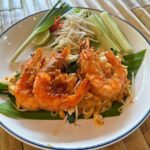
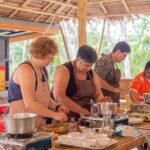
You also prepare Khanom Krok, small Thai coconut pancakes often sold as street food. This hands-on snack activity is followed by refreshments. Water and cola are included, and coffee, tea, local snacks, and welcome drinks are part of the visit. A full meal is not included, so plan lunch or dinner separately if you need more than a snack.
These activities are not filler. They give the three-hour outing a broader purpose and offer a calmer finish after time outdoors. Families may find the mix of animals, food, and simple craft more varied than an elephant-only visit, though the tour does not list a minimum age. One family with children aged six and 11 found the duration manageable, but that does not establish a formal age policy.
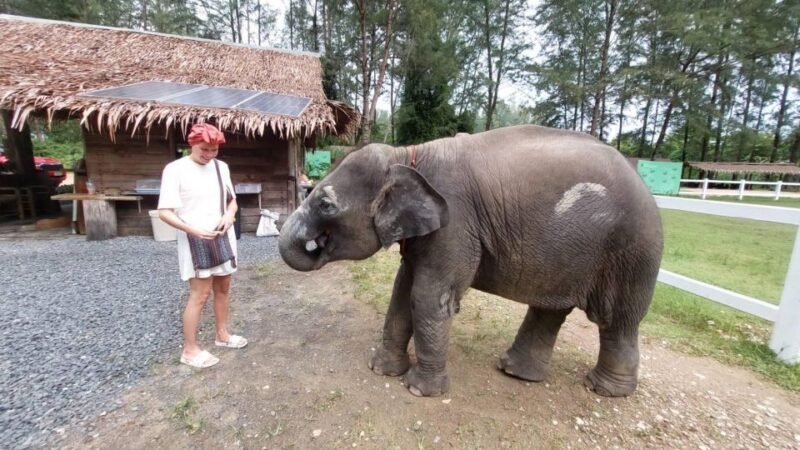
The schedule allows about 105 minutes at the sanctuary, plus approximately 30 minutes in the van each way. That makes the experience easy to fit into a Khao Lak stay, especially if you want an animal-focused activity without committing most of the day. The trade-off is that the visit is compact. You have time for the introduction, elephant observation, and cultural activities, but not an extended stay.
The tour’s 4.8 rating from 778 bookings and the 89 percent perfect score for transport point to two consistently strong practical features: the outing is well received overall, and pickup is a dependable part of the experience. Individual comments also repeatedly praise guides for being warm, informative, and helpful with photos. Names such as Didi, Winnie, and Lala appear in accounts, but you cannot choose a particular guide in advance based on the details provided.
The setting and facilities are described as relaxed, with basic but clean toilets and showers noted in one account. Do not expect a polished resort. The value is in the guided visit, transport, admission, and included activities, not luxury facilities.
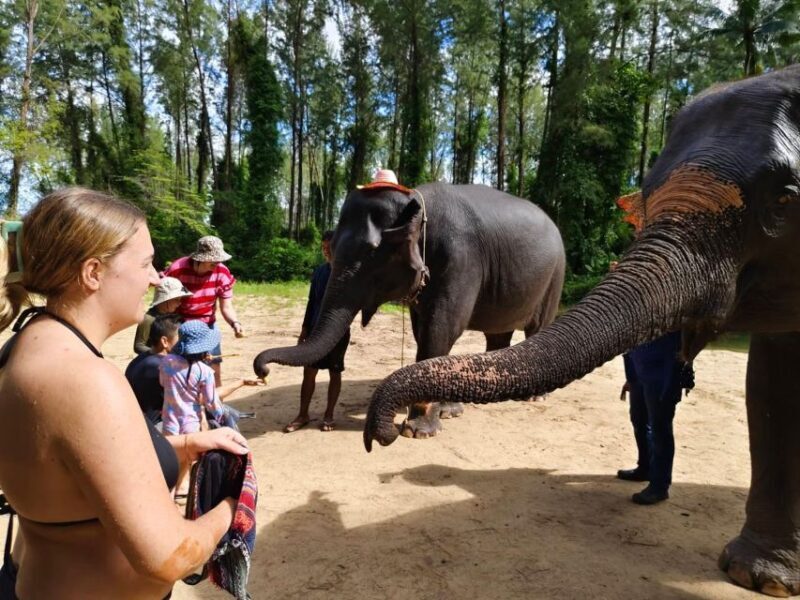
At $56 per person, the price covers hotel pickup and drop-off within the designated Khao Lak area, air-conditioned transport, admission, the guided elephant observation experience, the cultural workshops, drinks, and accident insurance. It is more than a brief entry ticket, but less than a full-day excursion. The included transport and several activities make the price easier to justify if you want a structured half-day outing.
The ethical value is harder to measure from a single visit. The sanctuary describes its work as long-term care for rescued domestic elephants, and the program is framed around welfare principles rather than riding or scheduled performances. Still, no short tour can prove everything about an animal-care operation. Look at what you see, listen to the explanations, and ask direct questions. If you want to support the sanctuary, the entrance fee is presented as benefiting elephant care, but the supplied details do not specify how funds are allocated.
A practical value check is to compare the experience you want with the one actually offered. If your priority is learning, watching elephant behavior, and trying Thai food and crafts, the package has several useful parts. If you are mainly seeking close contact, make sure the current policy matches your expectations before paying.
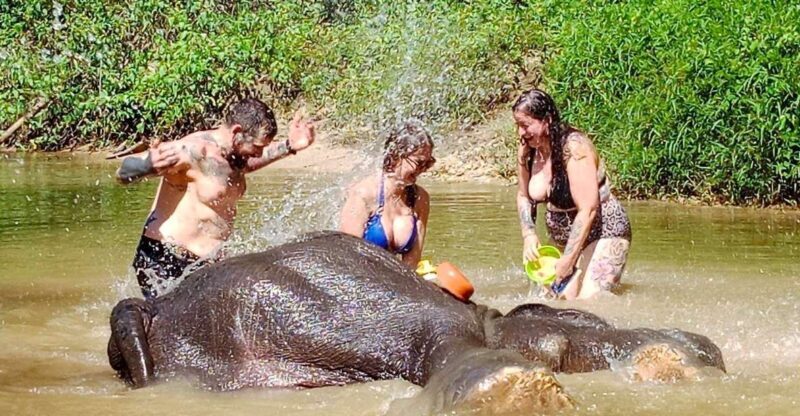
Bring a sun hat, sunscreen, insect repellent, a towel, and a change of clothes. The towel and spare clothes are sensible even though the formal policy is observation-only, since outdoor conditions and the precise activities can vary. Take a passport or ID card; a copy is accepted.
The tour runs regardless of weather, so dress for heat and possible rain. Wear clothes you do not mind getting dirty, particularly if the operator confirms that any water or mud activity is part of your visit. Do not count on bathing or touching being allowed under the stated rules.
Pickup is included only within the designated Khao Lak area. Show your mobile confirmation when your guide approaches, and be ready in the lobby on time. Free cancellation is available up to 24 hours in advance, and the reserve-now, pay-later option lets you hold a place without paying immediately.
This tour is not suitable for pregnant women or people with mobility impairments. No detailed information is provided about walking distances or step-free access, so if you have a specific access need, contact the operator before booking.
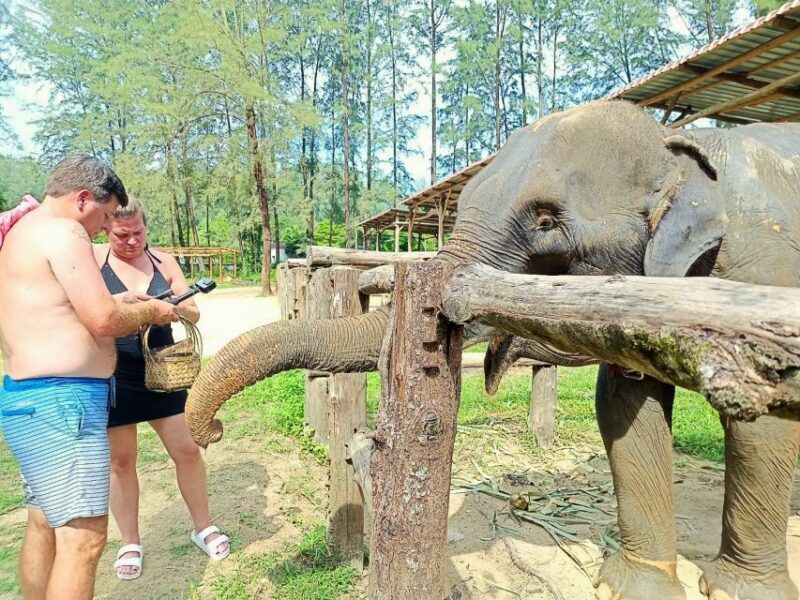
Book it if you want a short, guided introduction to rescued domestic elephants, prefer watching them make their own choices, and like the idea of adding Thai food and craft activities to the day. The combination of transport, mahout explanations, observation, Ya Dom making, and Khanom Krok gives the outing more substance than a quick photo stop.
Pause before booking if you expect to touch, feed, wash, or bathe an elephant. The written policy rules those activities out, while accounts of the outing describe some of them. Get a clear answer from the operator about what is permitted now. If the visit remains observation-only, that is a clear fit for a low-contact approach. If you want close interaction, this may not be the right choice.
“Absolutely amazing tour. Di Di our guide picked us up in an air conditioned car and drove us to the Sanctuary. We watched a short video about the h…”
The tour lasts three hours, including about 30 minutes of transport each way and roughly 105 minutes at Khao Lak Elephant Conservation.
The price includes hotel pickup and drop-off within the designated Khao Lak area, air-conditioned transport, admission, the guided observation experience, cultural activities, water and cola, English-speaking staff assistance, and accident insurance.
No. The stated program does not include riding.
The stated policy says no touching and no bathing, with elephant behavior observed from a respectful distance. Some accounts describe feeding or washing, so confirm current rules with the operator before booking.
No. Bathing and mud play are elephant-led, with no schedule or guarantee that the elephants will choose to do so.
You prepare a traditional herbal health supplement for the elephants, make a Thai Ya Dom herbal inhaler, and prepare Khanom Krok coconut pancakes.
No full meal is included. Local snacks and refreshments are part of the visit, and water and cola are provided.
The live tour guide and staff assistance are in English. The pre-recorded visual and audio introduction is available in 40 languages.
Bring a sun hat, change of clothes, towel, sunscreen, insect repellent, and a passport or ID card. A copy of your ID is accepted.
Yes. You can cancel up to 24 hours in advance for a full refund. The reserve-now, pay-later option lets you book without paying immediately.
You can check availability for your dates here: