Physical Address
304 North Cardinal St.
Dorchester Center, MA 02124
Physical Address
304 North Cardinal St.
Dorchester Center, MA 02124

Walk, feed, and bathe elephants at Phuket’s Lily Elephant Camp, with a jungle stroll, private beach time, and practical tips on transport and costs.
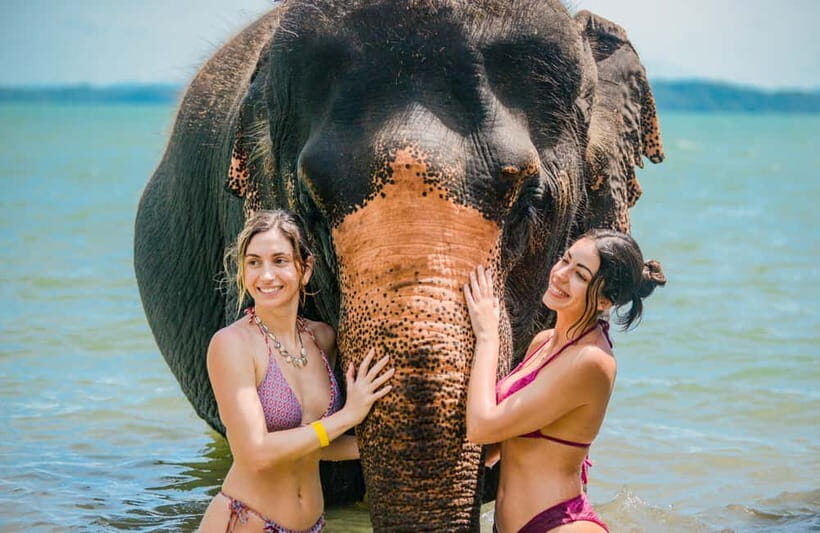
The unusual part of this Phuket outing is the route from a green, 20-acre coastal sanctuary to a private beach, where you can help bathe and brush elephants in the sea. The program also includes feeding, a short walk with the animals, and making herb vitamin balls with an English-speaking guide.
I like that the visit combines hands-on care with an introduction to elephant conservation, and that there is no riding. I also like the beach setting: it makes this a very different outing from a standard sanctuary visit. One consideration is that close contact and bathing are not every visitor’s idea of responsible wildlife tourism, so you should think about your comfort with that format before booking.
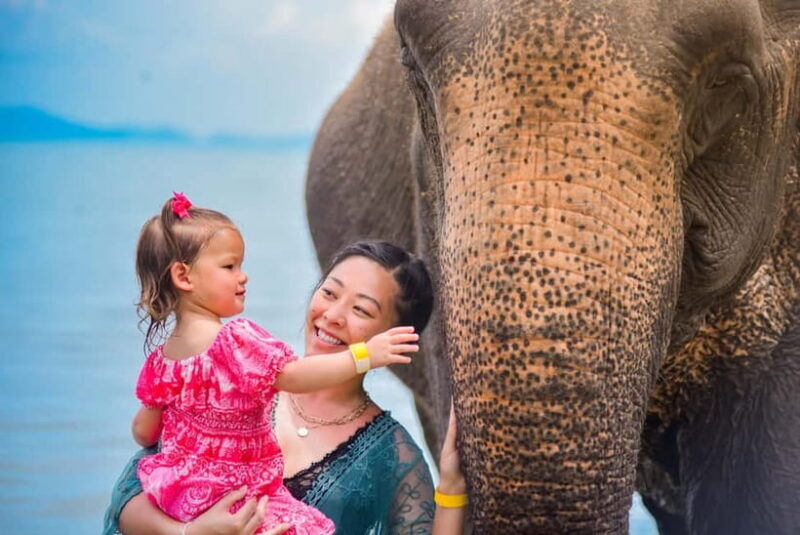
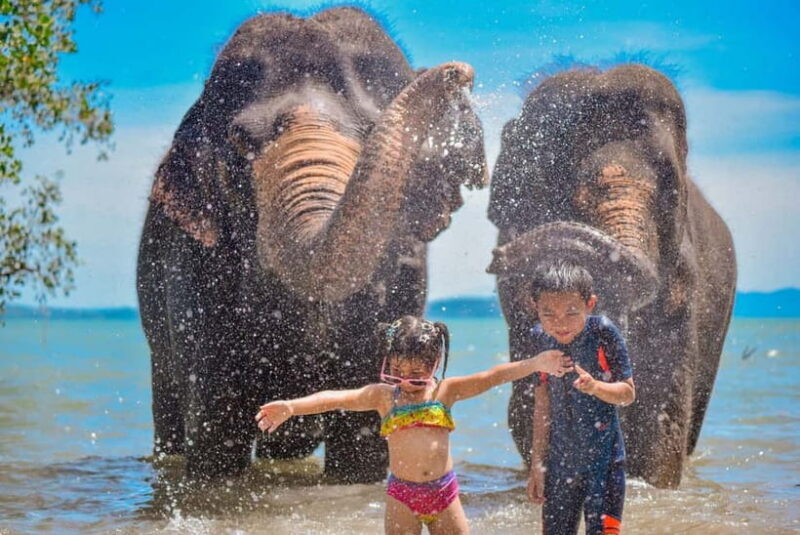
Lily Elephant Camp is in Yamu, Paklok, on Phuket’s east side. The camp opened in 2023 and describes itself as Phuket’s first coastal elephant sanctuary. It moved from Siray Island, which explains why you may see its former name, Elephant Care Camp @ Siray Phuket, in older material.
The setting is part of the appeal. Instead of spending the whole visit in a feeding area, you move through the camp’s natural habitat and then head toward the coast. The beach gives the bathing session a memorable backdrop, but it is still an animal-care activity, not a simple photo stop. Follow the handlers’ directions, give the elephants room, and let them set the pace as much as the program allows.
The camp says its approach is based on conservation and education, with elephants free from chains and riding. That is useful context, but a sanctuary label alone cannot settle every question about animal welfare. Here, the activities include close feeding, walking, and bathing with people, so visitors who prefer observing wildlife without direct contact may want a different kind of visit.
If you enjoy exploring Phuket on foot, these walking tours might also suit your style
The visit begins with an introduction to elephant care and conservation in Thailand. The guide explains the animals’ backgrounds and daily needs before you start interacting with them. Guides speak English and Thai; Kim is one guide named in visitor accounts, though your guide may be someone else.
That opening matters. Elephants at camps and sanctuaries in Thailand may have histories of working in tourism, transport, or other human-run settings. Several elephants here are described as former working animals, including some with past injuries. The camp presents its program as a way to care for elephants that have spent their lives around people, rather than releasing them into the wild.
Feeding is one of the first close encounters. Elephant food is included, and you get time to offer it rather than simply watch from a distance. This is a good moment to notice how instructions are given and how the animals respond. Keep your attention on the handler, not just your camera. The interaction is close enough to feel exciting, and that is exactly when calm movements and clear directions matter.
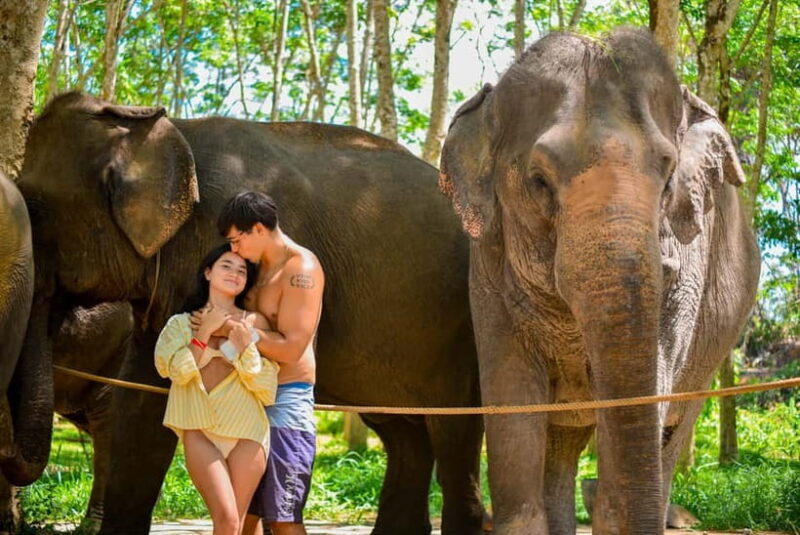
After feeding, you walk with the elephants through the camp’s natural habitat. The walk is short, around 15 to 20 minutes, so think of it as a chance to accompany them rather than a hike. It gives you a change of pace from standing in one place and helps connect the visit’s feeding and beach activities.
Keep expectations sensible. This is a guided walk with elephants, not an independent wildlife encounter. You are there to follow the mahouts and handlers, who know the animals and manage the group. The program emphasizes close interaction, but you should not assume that every elephant will want the same degree of attention at every moment.
The path leads toward the beach, where the activity shifts from walking to water. The transition is one of the outing’s distinctive features: few Phuket activities pair a jungle walk with a seaside bathing session. Wear footwear you can manage on potentially uneven ground, and pay attention to instructions before entering the water.
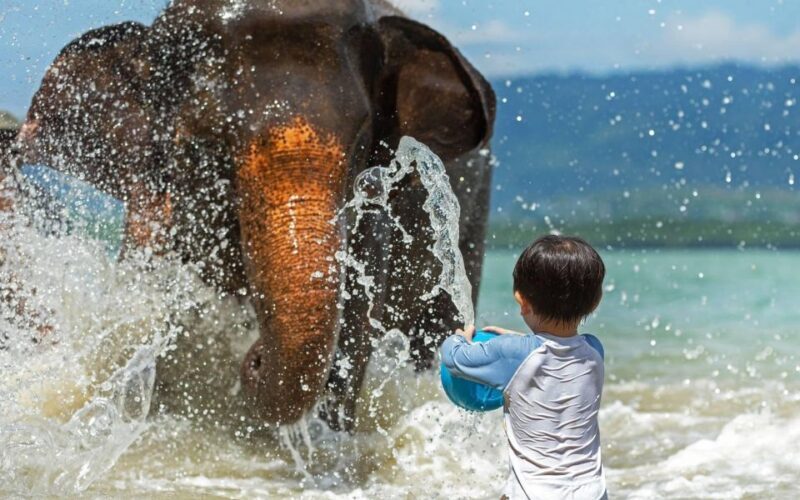
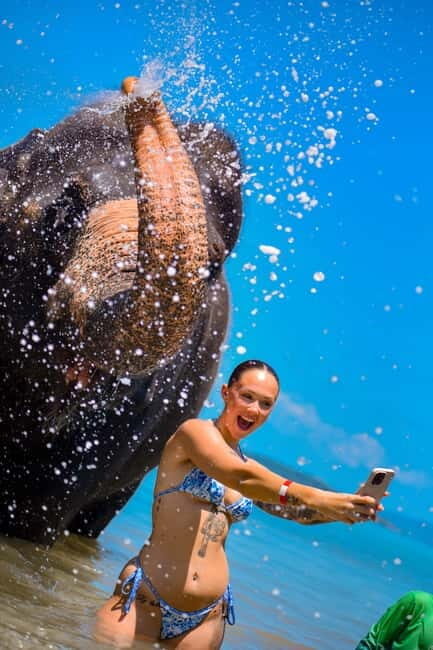
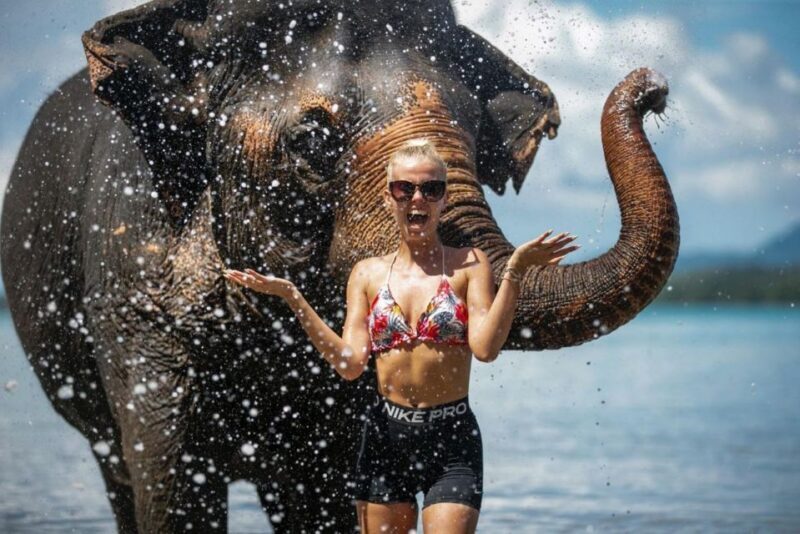
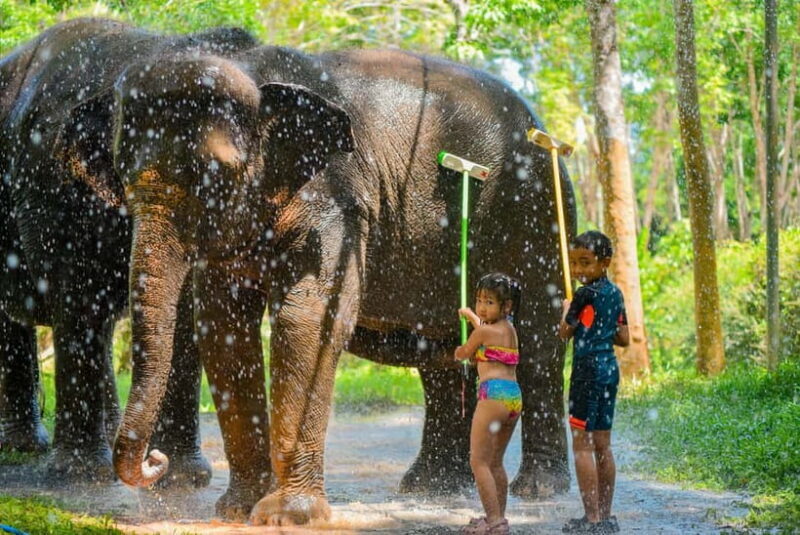
At the private beach, you help bathe and brush the elephants. There is also a refreshing shower or rain-shower portion, with visitors and elephants getting wet together. Expect splashing and a thoroughly damp change of clothes, not a tidy encounter from the shore.
This is the experience’s most vivid and hands-on stretch. You get to help with a care routine and see the elephants close up against the sea. It can be a highlight if you are comfortable around large animals and enjoy active participation. If you would rather watch quietly, the format may feel more involved than you want.
The sea floor deserves respect. One visitor reported being cut by sharp rocks and a sea urchin after removing rubber shoes at a handler’s direction. That is a specific warning worth taking seriously: ask where it is safe to stand, and do not remove footwear unless you understand why and where you are being asked to do so. The camp asks visitors to bring swimwear and a towel, but does not specify water shoes, so consider asking the operator in advance what footwear is suitable.
Guides and handlers may be working around a group, and not every staff member in the water may speak English fluently. If an instruction is unclear, pause and ask an English-speaking guide to explain it rather than guessing. That small bit of caution can help you stay safe without spoiling the fun.
More Great Tours Nearby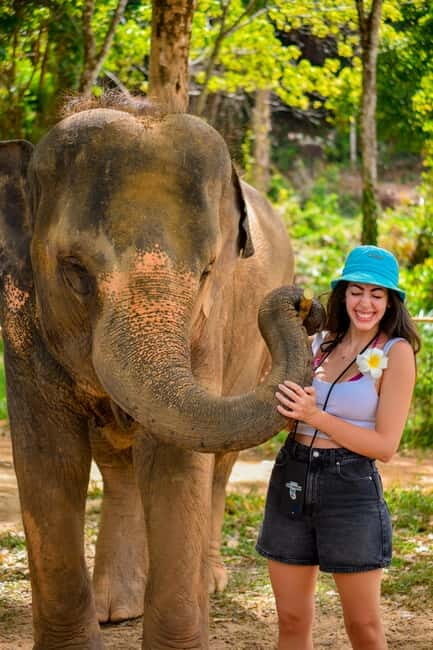
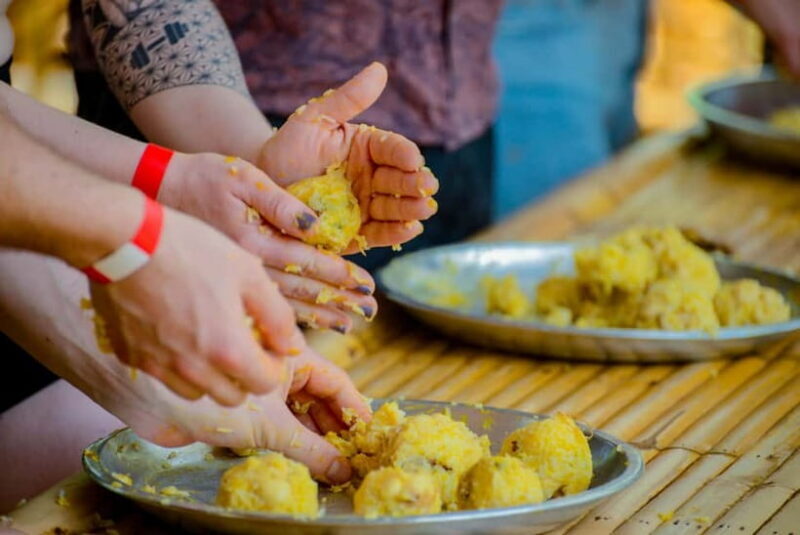
The program concludes with preparing vitamin balls, also described as herb balls or natural vitamin supplements. This adds a useful care-focused activity after the feeding and bathing. You are not only handing over prepared food; you get to take part in making a supplement intended to support the elephants’ health.
The camp frames this as part of its daily care, and it gives the guide another chance to explain what the elephants need. The activity is less dramatic than the beach, but it rounds out the visit by shifting attention from photos and splashing to the ongoing work of looking after the animals.
The advertised program runs about 2 to 2.5 hours. The full outing may take much longer if you select hotel transfers. One visitor reported spending more than four hours at the sanctuary itself, while a pickup route that collected and dropped off people across multiple areas stretched the day close to eight hours. That is not a guaranteed schedule, but it is a good reason to avoid tight plans before or after.
At $59 per person, the price covers a series of activities rather than a brief elephant viewing: food and feeding, the jungle walk, bathing in the sea, an English-speaking guide, and accident insurance. You also prepare supplements and get time for photographs. If close contact with elephants is your priority, that is a substantial program for the price.
Transport needs careful checking. Hotel pickup and drop-off are included only when you select a transport option at booking, and the included pickup zones are Phuket City, Old Town, Kata, Karon, and Patong. Other listed areas, including Panwa, Chalong, Rawai, Surin Beach, Mai Khao, Nai Yang, Nai Thon, Nai Harn, and Siray, carry a fee of 300 baht per person. If you book the program without transfers and later want the shuttle, the stated charge is 750 baht per person.
You can also take a taxi or Grab to Lily Elephant Camp, or search for the camp in Google Maps if driving. Check your pickup details in advance: one visitor advised contacting the driver for an approximate pickup time, and another reported a driver asking for an extra 500 baht. Confirm any fee through the operator rather than paying an unexpected amount without checking.
Professional photography is optional, with prices starting at 300 baht. A package of 10 digital photos has been priced at 1,500 baht by visitors, which some considered expensive. You can bring your own camera or phone, and guides may help take pictures, but do not count on every shot being free of charge or included in the ticket.
This outing suits you if you want a hands-on elephant experience, are happy to get wet, and value time with guides who explain the animals’ care. Families can take part: a visitor described bringing a 3-year-old, and another family said children enjoyed the activities. Still, close contact with elephants calls for attentive supervision, and the camp’s information does not specify a minimum age or detailed child rules. Ask before booking if you have young children or particular safety concerns.
It is also a good fit if the beach setting is a draw in its own right. You get feeding, walking, bathing, brushing, and the supplement-making activity in one visit. The trade-off is that this is an organized encounter with substantial human-elephant interaction, rather than a quiet, observation-only visit.
If you have food allergies or a medical condition, add a note when booking so the camp can be informed in advance. Bring swimwear, a towel, a change of clothes, a hat, sunglasses, sunscreen, and biodegradable insect repellent. Biodegradable sunscreen is specifically recommended. Drones are not allowed.
Book this outing if you want an active, seaside program with plenty of time around elephants and you are comfortable with feeding and bathing them. The guide-led conservation briefing, short walk, and herb-ball preparation give the visit more substance than a quick photo session, while the sea bath is its most distinctive feature.
Look elsewhere if you prefer to see elephants without touching or bathing them, or if you want a short trip with predictable transport timing. Before you pay, check which transfer option you selected, confirm your pickup time, and ask about safe footwear for the beach. The camp allows free cancellation up to 24 hours in advance, and its reserve-now, pay-later option can help if your plans are still taking shape.
“What an amazing experience! The elephants were well cared for and was such a privilege to be able to spend a few hours with these amazing animals.”
The program lasts about 2 to 2.5 hours, or 150 minutes. Hotel transfers can add time, depending on your pickup and drop-off route.
It is in Yamu, Paklok, Phuket. You can search for Lily Elephant Camp by name using Grab or Google Maps.
The program includes feeding elephants, a 15 to 20 minute walk with them, bathing and brushing them in the sea, a shower session, and preparing herb vitamin balls.
Hotel pickup and drop-off are included only if you select the transport option during booking. Included pickup zones are Phuket City, Old Town, Kata, Karon, and Patong.
The stated fee for listed standard zones, including Panwa, Chalong, Rawai, Surin Beach, Mai Khao, Nai Yang, Nai Thon, Nai Harn, and Siray, is 300 baht per person. If you book the program without transfers and later request the shuttle, the stated fee is 750 baht per person.
Bring swimwear, a towel, a change of clothes, sunglasses, a sun hat, a camera, sunscreen, biodegradable sunscreen, cash, and biodegradable insect repellent.
Yes. Professional photography is available at rates starting from 300 baht. A 10-photo digital package has been priced at 1,500 baht.
Yes. The live guide languages are English and Thai.
You can cancel up to 24 hours in advance for a full refund. The activity also offers a reserve-now, pay-later option.
You can check availability for your dates here: