Physical Address
304 North Cardinal St.
Dorchester Center, MA 02124
Physical Address
304 North Cardinal St.
Dorchester Center, MA 02124

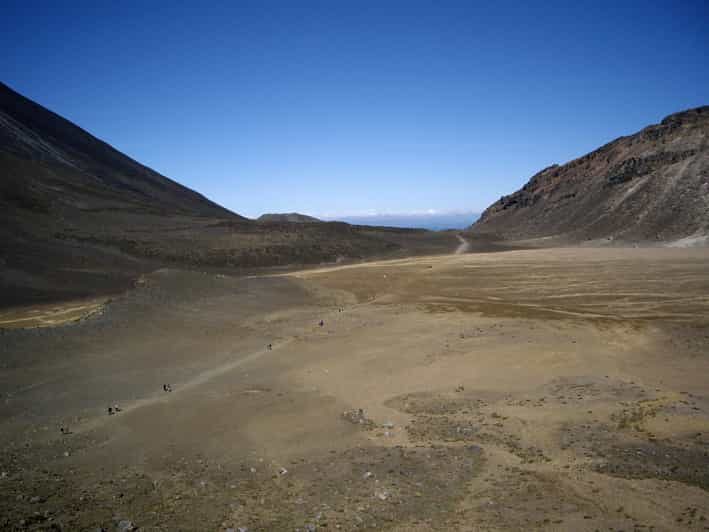
Take a $43 roundtrip shuttle to the Tongariro Alpine Crossing, with trailhead drop-off, Ketetahi pickup, and time for a demanding volcanic hike.
The Tongariro Alpine Crossing is a long, strenuous walk across volcanic terrain, with Red Crater, the Emerald Lakes, and wide views across the national park as the payoff. This roundtrip shuttle handles the awkward logistics of starting and finishing at different points, so you can focus on the walk rather than moving a vehicle.
I like two things here: the driver’s practical safety briefing helps you understand the route before setting out, and the return shuttle options give you some room to hike at your own pace. At $43, the service also includes national park fees.
The main consideration is the hike itself. Plan for roughly 6 to 8 hours, steep climbs, loose scree, and a long descent that can tire your legs and knees. The shuttle is not a guided walk, and moderate fitness alone may not be enough if you are unused to sustained uphill hiking.
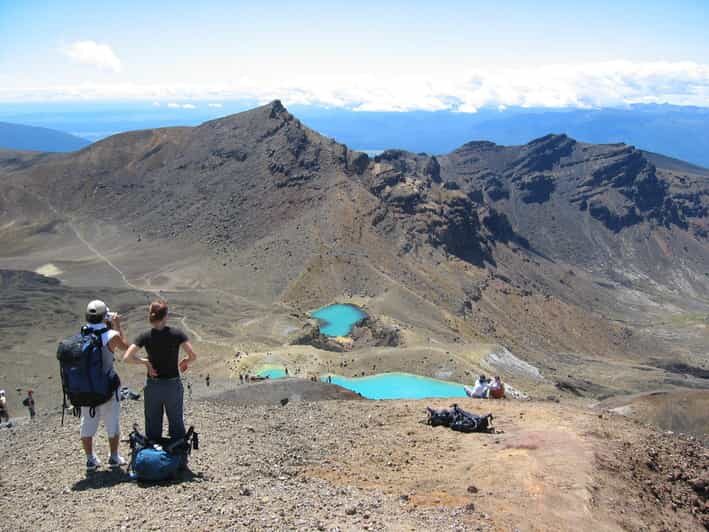
The Tongariro Alpine Crossing begins and ends at different points, which can make transport the first problem to solve. This shuttle connects a morning pickup in Waimarino or National Park Village with a drop-off at the trail start, then collects you at Ketetahi after the hike.
That matters because you do not have to finish the walk and then retrace your route to a parked vehicle. You can leave the driving to someone else and put your attention where it belongs: on the track, the weather, and how much energy you have left.
The service costs $43 per person, including the shuttle and Tongariro National Park fees. That is useful value if it saves you arranging separate transport, though the price may feel high for what is essentially a ride rather than a guided excursion. The real benefit is convenience at both ends of a demanding point-to-point walk.
You can check availability for your dates here: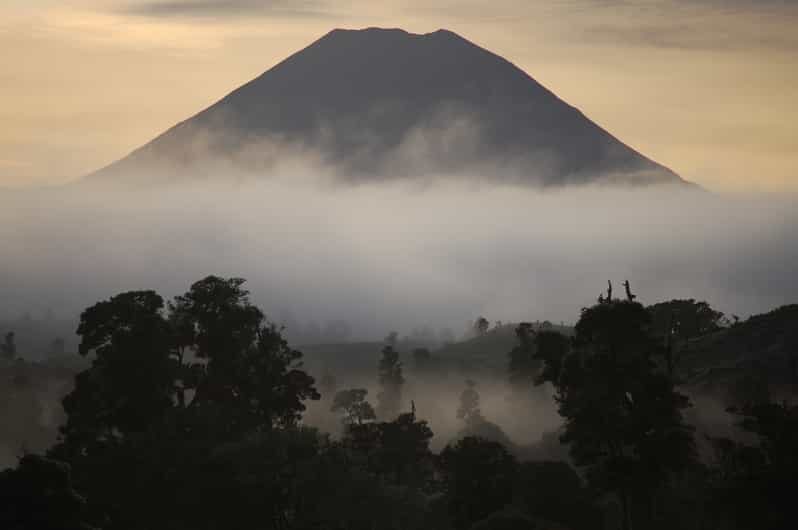
Your driver takes you from the pickup point to the start of the crossing. Drivers have given safety advice and practical information about the hike, including reminders about conditions and when it may be sensible to turn back. That briefing is valuable on a long walk with steep and slippery sections.
Still, set your expectations clearly: there is no guide walking with you. Once you leave the shuttle, you are responsible for following the route, managing your pace, and deciding whether to continue. The crossing is a marked trail, but a driver’s briefing is not a substitute for preparation or good judgment.
Choose your outbound departure carefully. Early starts leave more of the day for walking and breaks, while later departures may put pressure on your pace. The best fit depends on the available schedule and your own hiking speed. If you prefer to take your time, look for an early morning shuttle and a later return option.
The hike is commonly described as taking about 6 to 8 hours. One account puts the route at roughly 20 kilometres with about 1,200 metres of ascent. Those figures help explain why this is not a casual stroll, even if you are used to walking.
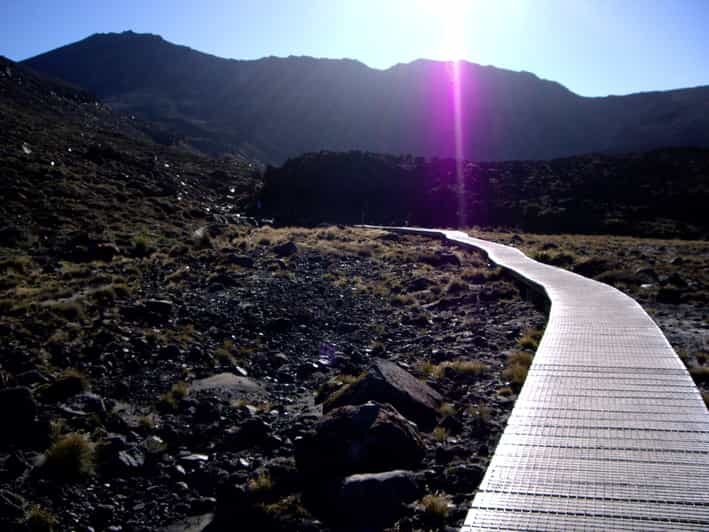
The route begins with easier walking before becoming more demanding as you climb. The ascent is a major test, and the terrain includes stones and uneven ground. Take breaks before you feel worn out, keep your pack light, and eat and drink along the way. A rushed start can make the harder sections feel harder still.
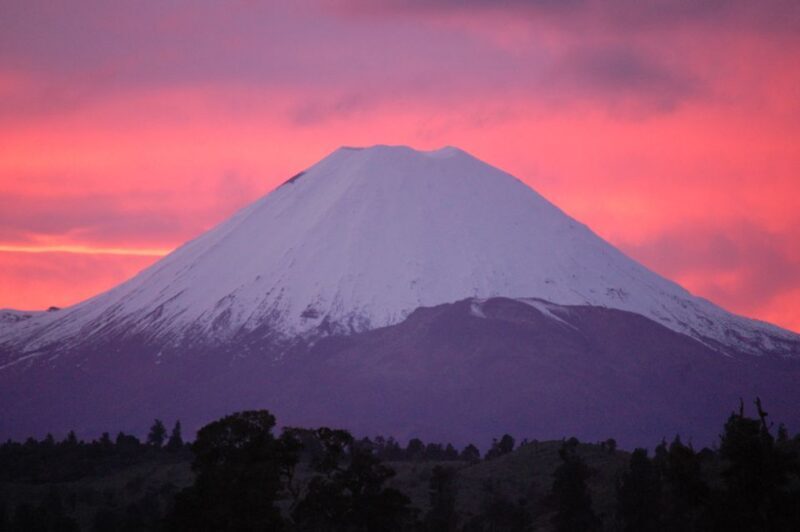
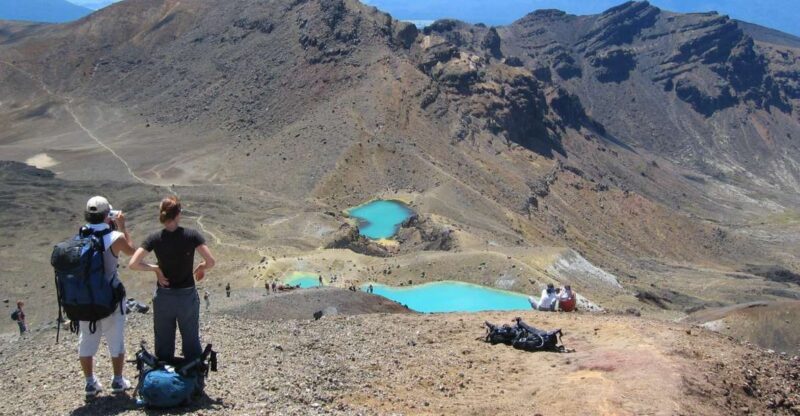
Red Crater is one of the crossing’s defining sights. Reaching the higher ground brings a striking change in view, with the crater and surrounding volcanic forms opening up around you. The Emerald Lakes add vivid colour to the route, while the broader views across Tongariro National Park make the effort feel worthwhile.
The mountain weather can change the character of the day. Clear conditions can make the views exceptional; strong winds or other poor conditions can affect whether the crossing is open or safe to hike. This is not a day to treat the shuttle booking as a promise that the trail will be walkable. Check conditions and take the driver’s safety information seriously.
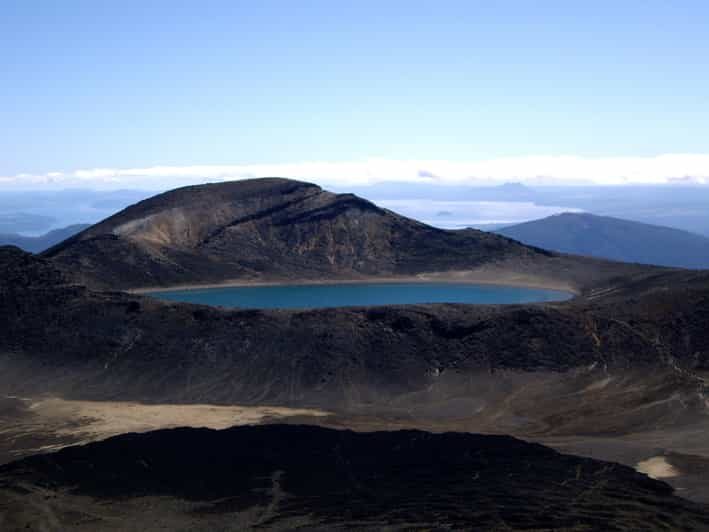
The descent from Red Crater toward the Emerald Lakes is steep and covered in loose scree. It is the section most likely to unsettle anyone who dislikes slippery footing. Good hiking shoes matter here, and walking poles may help if you already know how to use them.
Take this section slowly, leave room between yourself and other people, and choose your steps with care. Some hikers find it manageable; others find it the most uncomfortable part of the day. Either way, it is not a place to hurry simply because you can see the next landmark.
Beyond the lakes, the walk continues downhill for a long stretch. The scenery keeps changing, but the descent can be demanding in a different way: stairs and sustained downhill walking may be hard on knees and hips after the climb. Keep some energy in reserve for this final leg. The trail may be heading down, but that does not make it effortless.
Simple toilets have been reported at intervals along the route, roughly every 90 minutes. Bring your own toilet paper, and do not assume facilities will be especially comfortable or well stocked. Pack food and enough water for a full day outdoors.
At Ketetahi, you meet the shuttle for the ride back. There are multiple afternoon return times, and the available choices can vary. That flexibility is useful: a fast hiker may not need to wait as long as someone who takes a slower pace or longer breaks.
But flexibility has limits. Check the current return schedule before you set out, and keep track of the last bus. Missing it can turn a tiring hike into a much bigger transport problem. If you are uncertain about your speed, choose a schedule that gives you room rather than banking on a quick finish.
The return ride is also a good reason to be honest about your fitness. Some people complete the crossing faster than the estimated duration, while others need most of the day. Do not use another person’s pace as your target. Your job is to finish safely, not to win a race with the timetable.
More Great Tours Nearby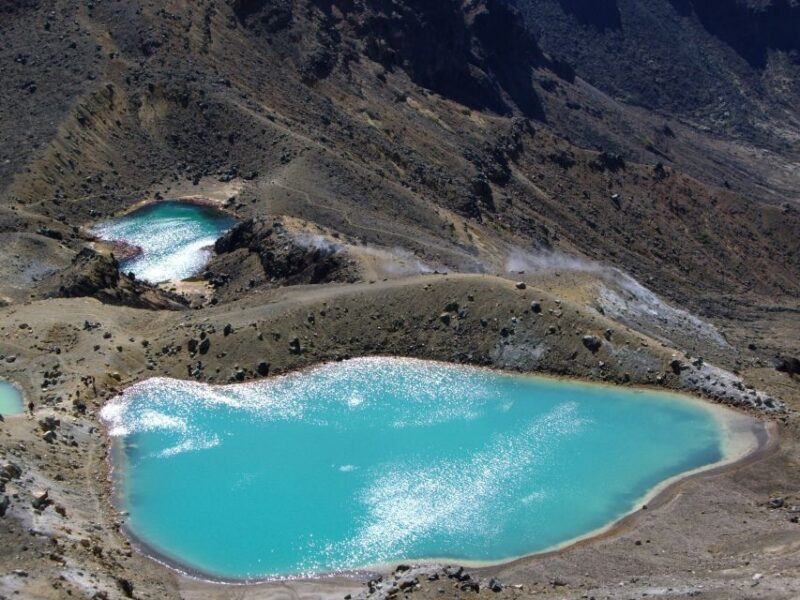
At $43 per person, the price covers roundtrip transport and national park fees. You are paying to avoid the logistics of getting between the trail’s separate start and finish points, as well as for a driver who can share useful safety guidance before you walk.
You are not paying for a guided hike, meals, hiking gear, or a personal escort along the trail. Bring your own food, water, footwear, sun protection, rain gear, and weather-appropriate clothing. The service makes the day easier to organize, but the physical work and decision-making remain yours.
The value is strongest if you do not have a convenient way to manage the point-to-point transport yourself. If you already have a vehicle and a workable plan, you may weigh the shuttle cost differently. For many hikers, though, the relief of not having to solve the return transport after a long walk is worth the fare.
Bring hiking shoes, food, water, sunscreen, rain gear, and clothing suited to the weather. The volcanic terrain can be rough underfoot, and the day is long enough that skipping food or carrying too little water is a poor bargain.
Keep your pack light, but do not cut essentials just to save weight. A spare layer and rain protection are sensible because the conditions on the mountain may differ from what you see at pickup. Check the forecast and current trail conditions before you travel, and follow any safety guidance given on the day.
Drones, bikes, and swimming are not allowed. The crossing is a serious walk, not a place to improvise with equipment or plans that do not fit the rules.
This works well if you are a reasonably fit hiker who wants to complete the crossing independently and needs a straightforward way to reach both ends. It also suits people who value a clear morning briefing and return transport more than a guided group experience.
Think carefully if you have limited mobility, are pregnant, or are bringing a child under seven: the activity is not considered suitable for those groups. It is also a poor match if you are uncomfortable with steep climbs, loose scree, or hours of walking. Moderate fitness is required, but a comfortable day depends on more than ticking that box. Experience with uneven trails and confidence on descents will help.
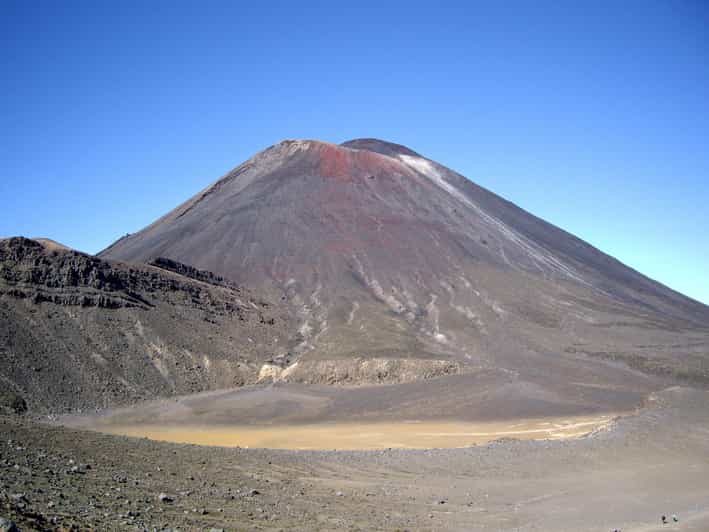
Book this shuttle if you are ready for a full-day hike and want the point-to-point transport handled for you. The route’s volcanic scenery, Red Crater, and Emerald Lakes make the effort memorable, while the driver’s practical guidance and afternoon pickup choices add real convenience.
Skip it if you expect a guided tour, an easy walk, or a guaranteed finish time. The shuttle is a useful support service, not a shortcut through the hard parts. Check the weather, choose a return time that leaves room, and go only if you are prepared for a long climb and a steep, loose descent.
“Perfect transport. The shuttle was on time. We received instructions from the driver for the hike before we set off.”
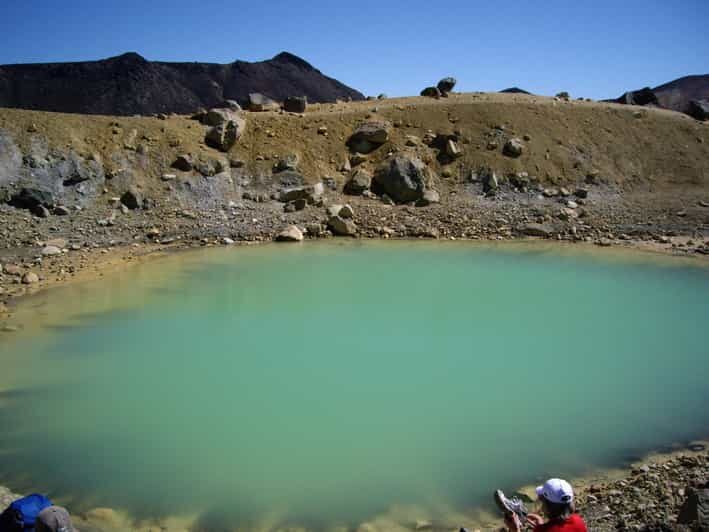
The price is $43 per person. Tongariro National Park fees and roundtrip shuttle transport are included.
Plan for about 6 to 8 hours on the trail. The time you need depends on your pace and breaks.
The morning shuttle picks up in Waimarino or National Park Village. Check the available starting points and times when you book.
The afternoon return shuttle collects you at Ketetahi, the far end of the crossing.
No. The shuttle driver may give trail and safety information, but you complete the hike independently.
Bring food, hiking shoes, sunscreen, water, rain gear, and clothing suited to the weather.
It is not suitable for children under 7 years. The hike also requires moderate physical fitness.
Yes. You can cancel up to 24 hours in advance for a full refund.
You can check availability for your dates here: