Physical Address
304 North Cardinal St.
Dorchester Center, MA 02124
Physical Address
304 North Cardinal St.
Dorchester Center, MA 02124

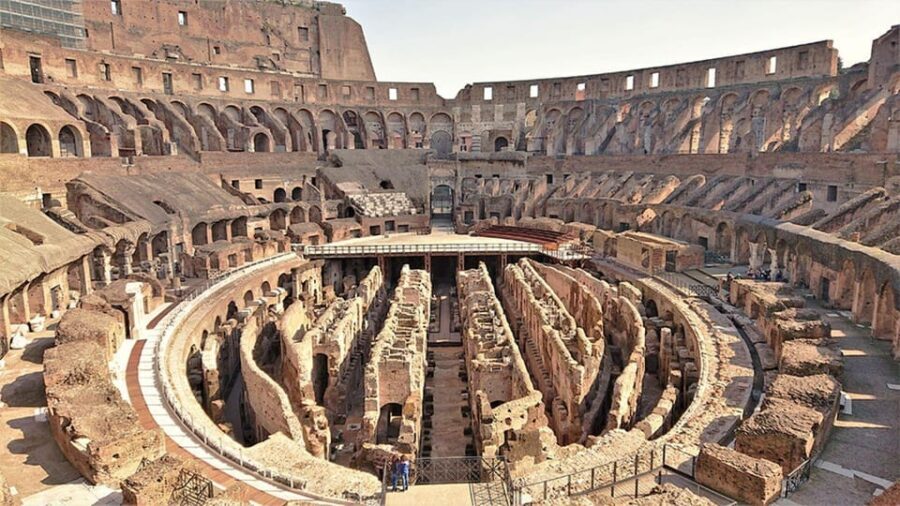
Compare this Colosseum, Forum, and Palatine Hill ticket: priority entry, guidebook, meeting point, price, and practical limits.
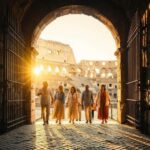
The Colosseum is the headline, but the real reward is seeing it alongside the Roman Forum and Palatine Hill. This ticket combines priority access with a guidebook, so you can connect the arena to the streets, temples, and imperial residences that made ancient Rome tick.
I like two things here: you get entry to three major sites in one booking, and you can choose a guided visit or a self-guided option. The meeting point is near the Colosseo metro station, and the published price is $20.50 per person.
One thing to weigh: priority access does not mean skipping security, and the 75 to 80 minute duration is tight for three large sites if you want time to linger. Check exactly what your selected option covers, especially how the Forum and Palatine visit is handled.
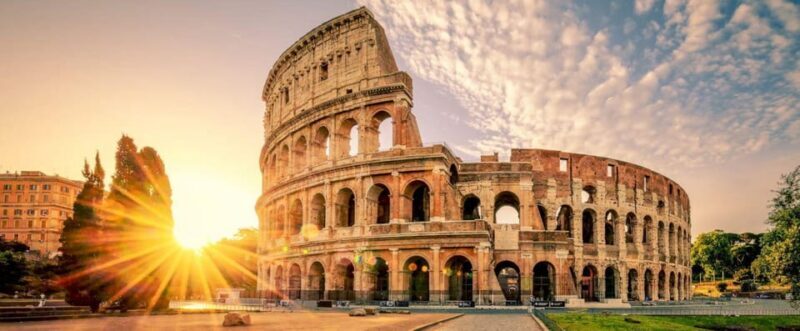
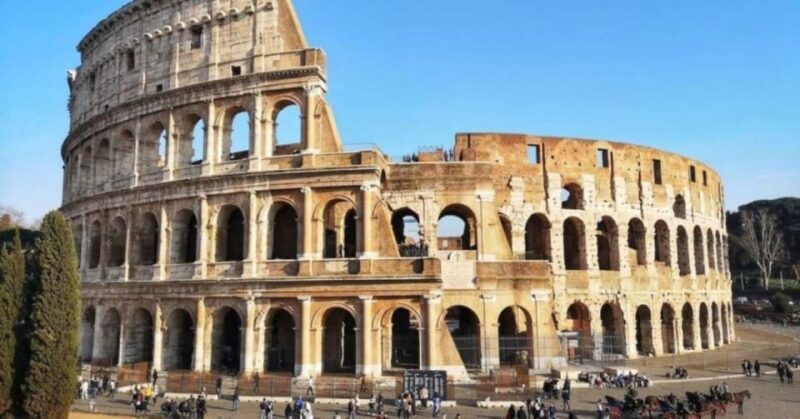
The arena is an extraordinary structure, but it makes more sense when you see it as part of a larger Roman center. This experience links the Colosseum to the Forum, where public, political, and commercial life took place, and Palatine Hill, associated with Rome’s legendary beginnings and later imperial palaces.
That sequence gives you three different views of the city’s past. The Colosseum brings the scale of Roman entertainment into focus; the Forum shows the institutions and daily life around it; the Palatine offers a quieter setting and broad views toward the Circus Maximus.
The ticket costs $20.50 per person. For comparison, the stated adult admission price for the Colosseum is €18, with free admission for children under 18. The remaining amount covers the electronic information booklet, advertising, other services, and booking fees. That makes this more than a bare admission ticket, though the value depends on whether you use the guidebook or choose a guide.
Looking for more options in Rome? Here are some other experiences worth considering.
The meeting point is on the upper level of the Colosseo metro station, near the M metro symbol and SOS sign, close to Caffe Roma. Look for Find Rome Tours staff. The location is specific, which should help you find the group, but arrive with your booking details ready and follow the latest meeting instructions carefully.
The experience includes priority access and skips the ticket line, but it does not skip security control. You should still allow for the security check and follow staff directions. The entrance area can feel disorderly when people are gathering, so stay close to your group and confirm which line or entrance applies to your ticket.
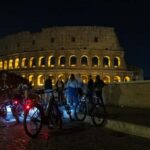
Once inside, give the Colosseum your attention before thinking about the next stop. The site is famous for good reason: its scale is difficult to grasp from pictures, and even a basic visit gives you a strong sense of the building’s presence. If you select a guided option, the guide can help give the structure a human story. Past guides named Sandro, Nefertiti, and Giovanna were praised for clear explanations, a friendly manner, and helping people find good photo spots.
A guided visit is the better fit if you want a person to explain what you are seeing and keep the history connected. One guide was especially good at making the visit fun for children, while another took time with the group rather than rushing through. These details matter at a major monument: a little explanation can turn a striking building into a place tied to emperors, citizens, and the fate of an empire.
If you choose the self-guided option, the guidebook is your tool for adding context. It is available in electronic or printed form. Keep in mind that one participant found the audio equipment unreliable, with some units not working or crackling. If your selected option uses audio equipment, check it early and tell staff promptly if it is faulty.
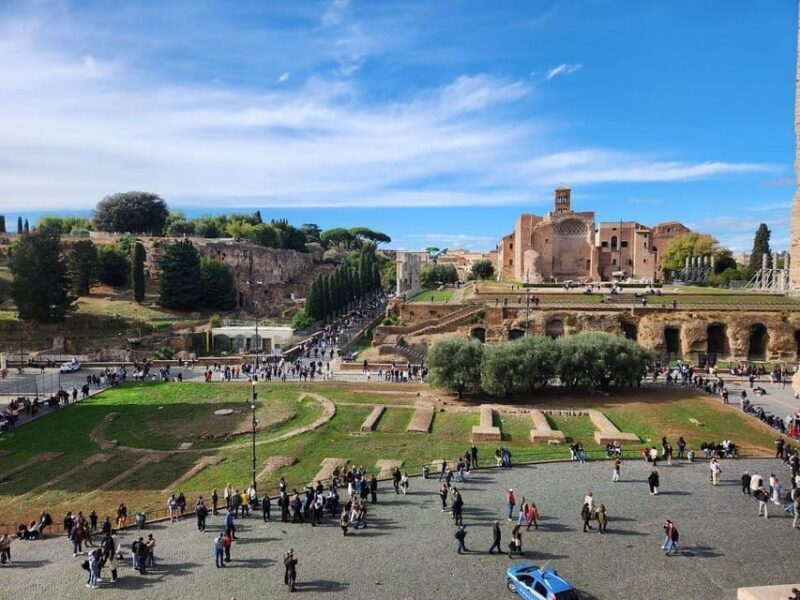
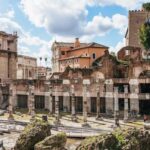
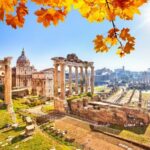
The Roman Forum was the political and commercial hub of ancient Rome. Its surviving temples and basilicas are not just a scenic field of stone; they are traces of the public spaces where Roman power and civic life took shape.
This stop can be harder to read than the Colosseum. The arena’s purpose is immediately apparent, while the Forum’s ruins reward a guidebook or a guide who explains which remains matter most and why. If you are visiting independently, use the information provided to give the site some structure rather than treating every ruin as equally significant.
Allow enough time to look around. Some guided visits may focus more heavily on the Colosseum, and the Forum’s entrance arrangements can also involve a separate line. If seeing the Forum is important to you, confirm before setting off whether your selected tour includes a guide through the grounds or only provides access. Don’t assume that a guide who has finished the Colosseum portion will continue with you.
That distinction is important when comparing options. The included Forum and Palatine access is valuable, but access alone is not the same thing as a guided explanation at every stop. If you want a guide’s help across all three sites, check that the option you book explicitly provides it.
Palatine Hill is described as the legendary birthplace of Rome, and its character differs from the crowded entrance area around the Colosseum. You can walk among the remains of imperial palaces and gardens, then take in views across the city and toward the Circus Maximus.
The hill adds a useful second layer to the visit. The Forum helps explain the public and political center; the Palatine points to the private world of Rome’s elite and the setting linked with the city’s origins. The views also give you a chance to pause and see how these major sites sit in relation to one another.
There is a practical catch: the grounds are spread out, and the activity is not suitable for people with mobility impairments or wheelchair users. Wear comfortable shoes, bring water, and check the weather forecast. In strong sun, a hat and sunscreen will make the walk more comfortable.
More Great Tours NearbyThe stated activity duration is 75 to 80 minutes, with starting times varying by availability. That is a short window for three major archaeological sites, especially if you want to stop for pictures, read the guidebook, or explore at your own pace.
Some people have found entry smooth and then explored independently, while others appreciated a guide who kept a measured pace and made details memorable. The actual rhythm depends on the option you choose and how the visit is organized that day. There have also been cases of a start time changing, with notice given in advance, so check your messages before leaving for the meeting point.
Treat the listed duration as a useful planning figure, not a promise that you will see every corner of all three sites in detail. If you have a tight schedule, prioritize the places you most want to understand. If you want a leisurely visit, confirm how long you may remain at each site and whether the tour format allows you to continue independently.
One useful question to settle beforehand is what happens at the end of the guided portion. The activity information says it ends back at the meeting point, while some guided visits may leave you to continue exploring on your own. Get clear instructions from your guide about remaining access, closing times, and the route to the next site.
At $20.50 per person, the ticket sits close to the stated €18 adult admission price once you account for the booklet, services, and booking fees. The price is easier to justify if you value priority ticket access and want a guidebook, or if you choose a guide who adds useful context. If you only want entry and plan to read nothing, compare what is included with other ticket options before paying.
The package includes Colosseum priority access, Roman Forum and Palatine Hill access, and an electronic or printed guidebook. Hotel transport, food, and drinks are not included. A guided tour is also not automatic: choose that option if a guide is important to you.
Private or small-group options are available. That can suit families or anyone who prefers a more personal pace, but check the chosen booking details for the exact group arrangement. A guide can help you understand the sites and identify worthwhile photo spots; a self-guided visit gives you more control over how you spend your time.
The overall rating is 4.5 from 975 reviews, but the practical takeaway is not simply that the experience is well liked. People value the easy check-in, the helpful guides, and the chance to visit all three sites. The recurring cautions are also worth taking seriously: timing may shift, audio equipment can be unreliable, and a guided Colosseum visit may not mean a guided Forum and Palatine visit.
Bring comfortable shoes, water, a hat, and sunscreen, and dress for the forecast. The sites involve walking outdoors, and Palatine Hill is not suitable for wheelchair users or people with mobility impairments.
Large bags, luggage, and backpacks are not allowed, so travel light. Photography is permitted, but flash photography is not. Bring a passport or ID card; a copy is accepted.
Keep the booking confirmation accessible on your phone or in print, and use the meeting point details that match your actual ticket. One person had confusion between a printed voucher and an email scan code, so check which document staff need before you arrive. If anything is unclear, ask Find Rome Tours staff at the meeting point rather than guessing where to go.
Cancellation is free up to two days in advance for a full refund. Starting times vary, so check availability for your date and review any updates before the visit.
I’d consider this ticket if you want the three headline sites in one plan, value priority access, and are comfortable using a guidebook or selecting a guided option. The best part is the contrast between the Colosseum, the Forum, and Palatine Hill: you get more than a look at the arena, and the hill’s views are a worthwhile finish.
Book with care if a guide through every site is essential, or if you need a slow, unhurried visit. Confirm whether your chosen option includes a guide at the Forum and Palatine, and don’t mistake priority entry for a way past security. For a first visit with a clear meeting point and useful historical context, it can be good value. For a deep, leisurely exploration, plan extra time beyond the stated 75 to 80 minutes.
“'Sandro was a terrific guide; knowledgeable and entertaining. The audio kit was a bit hit and miss. mine and several others' didn't work at all and…”
It includes priority access to the Colosseum, access to the Roman Forum and Palatine Hill, and an electronic or printed guidebook. A guided tour is included only if you select that option.
No. The ticket skips the ticket line, but it does not skip security control.
Meet Find Rome Tours staff on the upper level of the Colosseo metro station, near the M metro symbol and SOS sign, close to Caffe Roma.
The stated duration is 75 to 80 minutes. Starting times vary, so check availability for your date.
Not automatically. A guided option is available if selected; otherwise, you can visit with the electronic or printed guidebook.
Yes. You can cancel up to two days in advance for a full refund.
Bring comfortable shoes, a hat, sunscreen, water, and a passport or ID card. A copy of the ID is accepted.
No. It is listed as unsuitable for wheelchair users and people with mobility impairments.
You can check availability for your dates here: