Physical Address
304 North Cardinal St.
Dorchester Center, MA 02124
Physical Address
304 North Cardinal St.
Dorchester Center, MA 02124

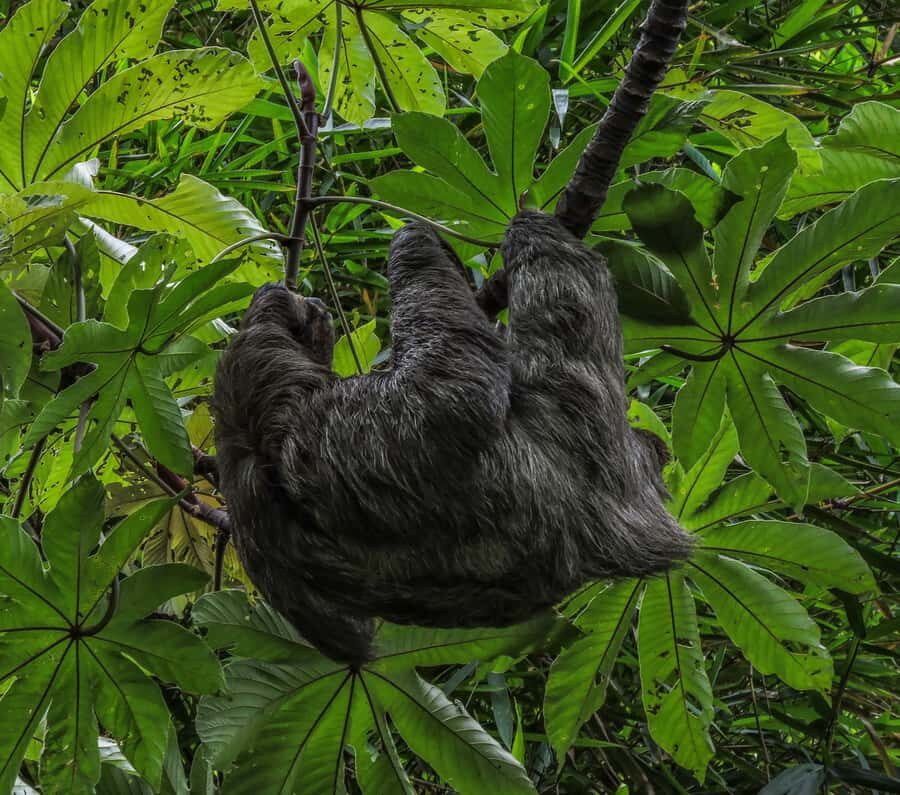
Spot wild sloths, birds, and insects on a guided 2.5-hour walk through the University of Costa Rica campus, led by a local biologist.
Wild sloths live among the trees of the University of Costa Rica, just minutes from downtown San José. On this 2.5-hour walk, a biologist helps you spot them, along with birds, insects, and flowers, while explaining how nature persists on a busy university campus.
I like two things in particular: the chance to see sloths in their natural habitat, and the way guides connect wildlife to Costa Rican plants, campus life, and culture. Guides such as Ismael, Monica, Melissa, and Luis have led walks, and their enthusiasm for the subject is a big part of the appeal.
One consideration: wildlife is wild, so sightings can’t be promised. The walk is not strenuous, but it lasts 150 minutes, includes some exposed sunny stretches, and is not suitable for wheelchair users or people with mobility impairments.
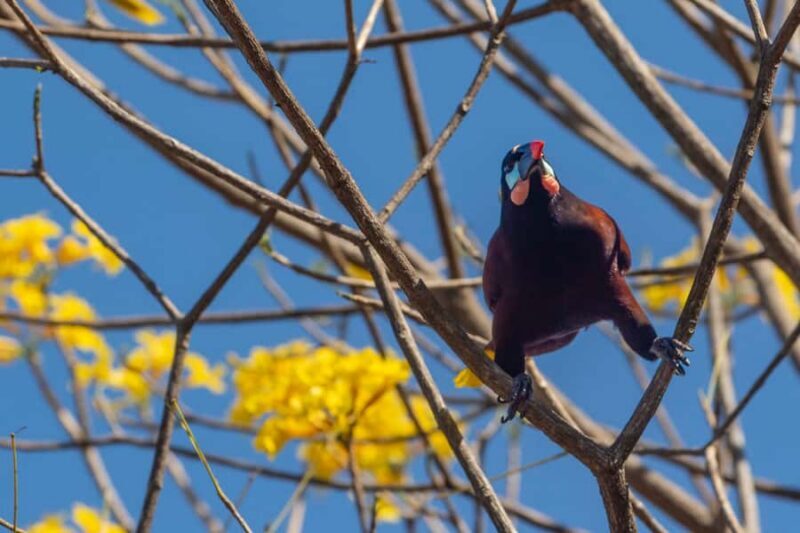
The University of Costa Rica offers a striking change of pace from the city around it. Its campus contains some of San José’s largest patches of forest, and this walk is built around the simple pleasure of slowing down enough to notice what is living there.
That setting is the tour’s main surprise. You are not heading to a remote reserve or a wildlife enclosure. You are looking for animals and plants among the campus grounds, where students and city life carry on nearby. It makes the walk a useful reminder that nature does not always require a long drive out of town.
The tour begins at a nearby meeting point and moves through campus areas where the guide looks for birds, insects, and flowering plants. Later, the group visits the main campus to search for sloths climbing freely in the trees. The exact route and sightings can vary, but the aim is consistent: learn to look closely at a place that might otherwise seem like an ordinary university.
I like this format for a first day in Costa Rica, or for a spare morning in San José. It gives you an introduction to local wildlife and plant life without taking up a full day or requiring a trip beyond the city.
If you enjoy exploring San Jose Costa Rica on foot, these walking tours might also suit your style
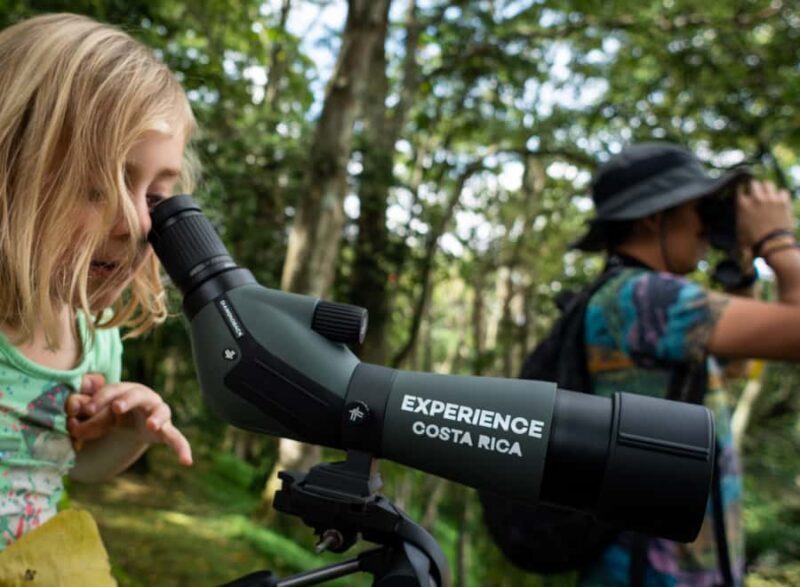
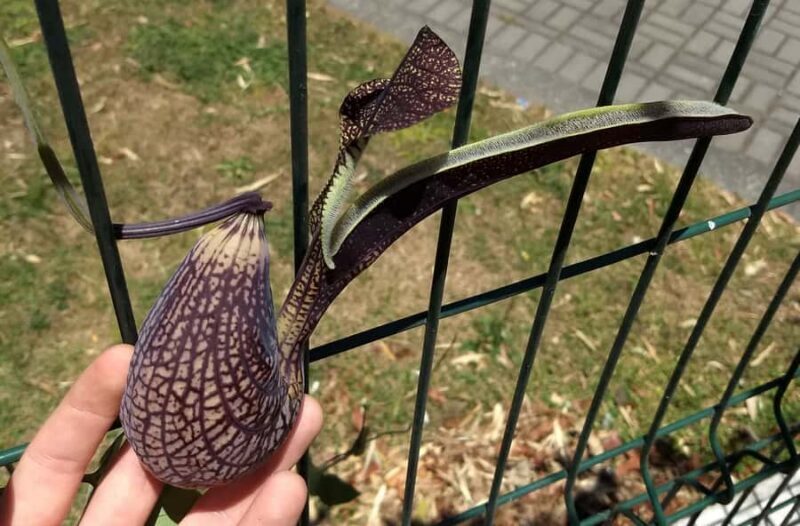
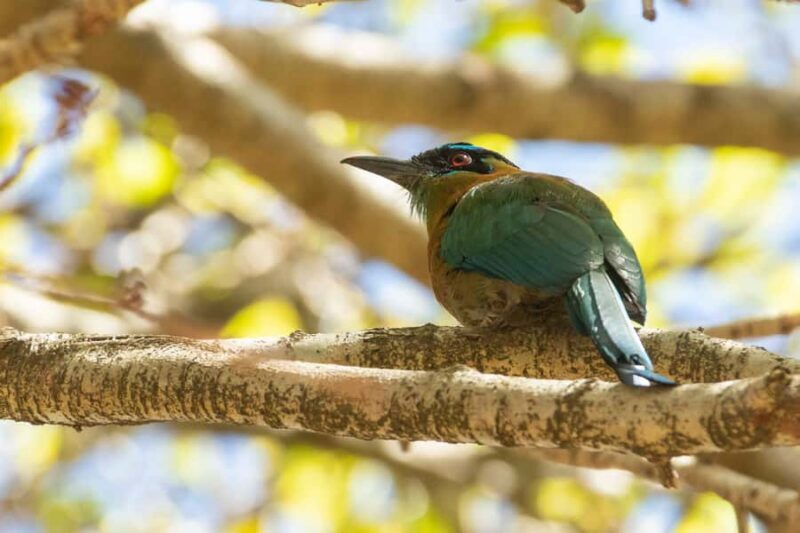
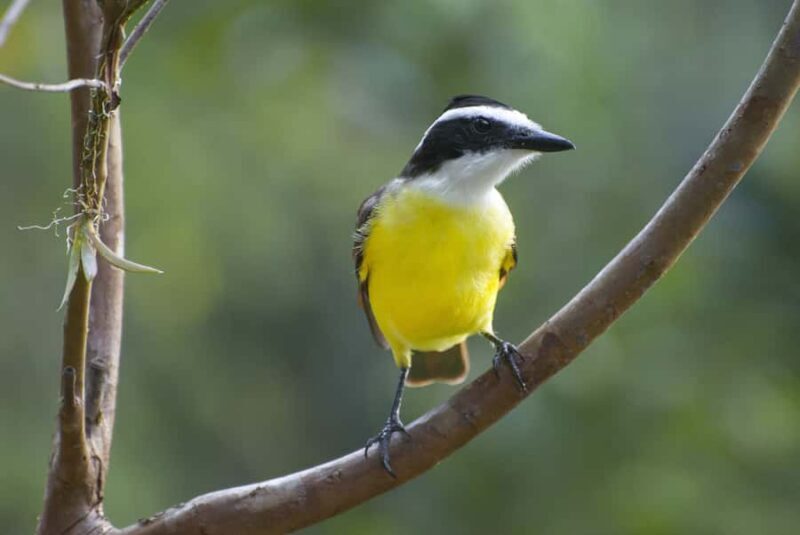
The early part of the walk focuses on the campus’s smaller and more varied residents. Your guide may point out local and migratory birds, insects, flowers, and trees. The telescope is included, and it can help bring a distant bird or a high-up sloth into clearer view.
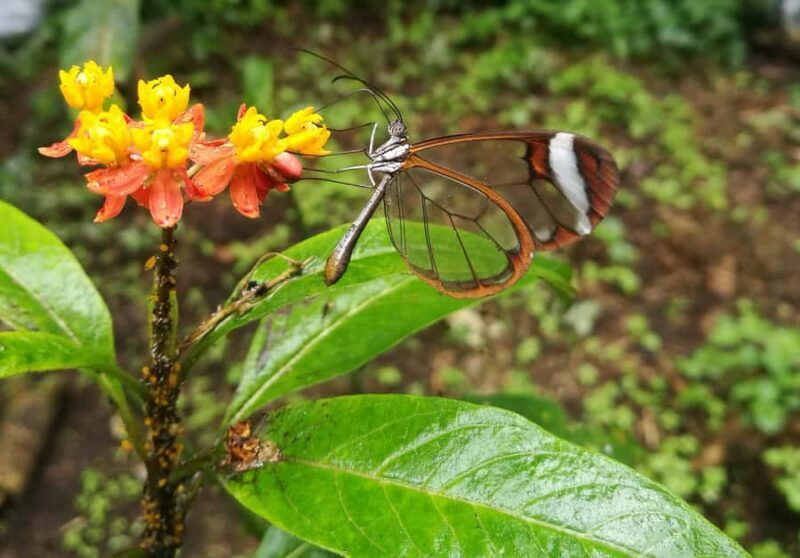
The biologist-led approach matters here. A casual walk might take you past a tree without a second look; a guide can explain what you are seeing and help you notice details you would likely miss on your own. Past walks have included a range of birds, butterflies, spiders, and other insects. The species you see on your day will depend on what is active and where it is found.
You may also hear about plants that are native to Costa Rica as well as non-native species growing on campus. The point is not to turn the walk into a formal lecture. Guides such as Melissa, Meli, David, and Raquel have been praised for making explanations lively and welcoming, and for taking time to answer questions.
The tour also weaves in subjects beyond wildlife. Conversations can touch on art, history, indigenous culture, and conservation. That broader view helps make the campus feel like more than a green patch: it is a place where Costa Rican society, research, and nature meet.
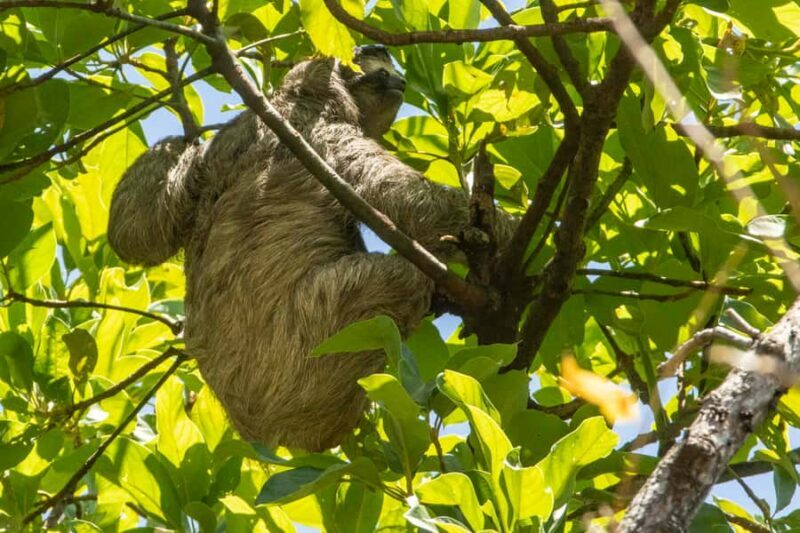
The sloths are the big draw, and the final part of the walk focuses on finding them in the trees of the main campus. Some are high up and hard to spot without a trained eye. Guides use the telescope to help the group see animals more clearly, and some have also helped people take photos through it using their phones.
Sightings can be memorable. People have seen both two-toed and three-toed sloths, including young animals and a mother with a baby. Some sloths are resting; others may be moving, which can make for a particularly exciting pause in the walk. But no guide can promise a particular number or guarantee that a sloth will be visible. These are wild animals, and the experience depends on luck as well as the guide’s ability to spot them.
That uncertainty is worth keeping in mind when you book. If you would be disappointed by a walk that included birds, insects, and plants but no sloth, this may not be the right wildlife outing for you. If you enjoy learning about a place and its smaller details, the walk still has plenty to offer.
The telescope is a helpful inclusion, especially when animals are high in the canopy. It also makes the experience easier to share with a small group: you can take turns looking instead of crowding around a distant tree and guessing at a shape in the branches.
The guides are young biologists, and their role goes well beyond pointing out animals. Their training helps them explain what the group is seeing, while their enthusiasm makes it easier to stay curious when wildlife is quiet or the weather turns wet.
Several guides have been singled out for their skill at spotting animals before the group notices them. Ismael, Monica, Melissa, Meli, Luis, David, Raquel, Mario, and Sara are among the names associated with walks. The guide assigned to your date may differ, but the experience is designed to be led by a biologist.
The small-group limit of 10 is a real advantage for this kind of outing. It gives you more space to ask questions and makes it easier for everyone to take a turn with the telescope. Guides have also been described as patient with different paces and interests, including people keen to spend longer looking at wildlife.
This approach supports young scientists, researchers, and local entrepreneurs. That goal gives the tour a local purpose beyond selling a wildlife stop: you pay for a guided walk while helping create opportunities for people working in Costa Rica’s nature and research fields.
More Great Tours NearbyAt $16 per person, the walk is a low-cost way to spend two and a half hours with a guide who can help you find and understand wildlife. The price includes the biologist-led walk and a telescope for bird and sloth watching. It does not include snacks or water.
The value comes from more than the chance of seeing a sloth. You also get context about the campus, its plants and animals, and parts of Costa Rican culture and conservation. Since the walk is relatively short, it can fit into a city stay without replacing a full day trip.
Bring your own water and a small snack if you need one. Sunscreen, insect repellent, closed-toe shoes, and rain gear are also on the recommended list. Open-toed shoes are not allowed, so leave sandals for another outing.
The walk lasts 150 minutes. It is not described as a heavy trek, but you should be comfortable walking for that length of time. Some stretches are exposed to strong sun, and the route is not suitable for wheelchair users or people with mobility impairments.
May through November is the rainy season. Bring bug spray and rain gear, and be ready for wet conditions. A morning departure is recommended during these months, though afternoons can also be enjoyable. Rain does not necessarily end the wildlife search: groups have seen birds and sloths even in mostly rainy weather.
Meet in front of Ondina Café & Restaurant. The café is closed on weekends, but the guide will still be waiting outside, so a closed door is no reason to panic. Look for a guide wearing an Oropopo Experience T-shirt and carrying a telescope.
Tours run in English and Spanish. Availability and start times can vary, so check the time that suits your plans before booking. Free cancellation is available up to 24 hours in advance, and you can reserve without paying immediately.
This is a good fit if you want a close look at Costa Rican nature without leaving the city, or if you are curious about wildlife beyond the familiar sloth. It suits adults and children who can manage a 2.5-hour walk, and its mix of animals, plants, and cultural context gives the guide plenty to talk about even when a particular species stays out of sight.
It is less suitable if you need step-free access, cannot walk for the full duration, or expect a guaranteed sloth encounter. The setting is a campus, not a controlled wildlife center, so the reward is seeing animals where they live, with the uncertainty that comes with that.
I would book it if you have a free morning or afternoon in San José and want an affordable, small-group introduction to local nature. Bring water, closed-toe shoes, sun protection, and rain gear in wet months. Most of all, arrive ready to look up, look closely, and let the guide set the pace.
“Maribel (?) was excellent! Very friendly and knowledgeable. Despite a mostly rainy time, we saw many bird species, learned about some of the trees …”
The walking tour lasts 150 minutes, or two and a half hours.
The price is $16 per person.
The tour looks for sloths, resident and migratory birds, insects, flowers, and other plants. Specific sightings are not guaranteed.
Yes. A telescope is included for bird and sloth watching.
The live tour guide can lead the walk in English or Spanish.
The group is limited to 10 participants.
Bring water, sunscreen, insect repellent, closed-toe shoes, and rain gear. Snacks and water are not included.
Meet in front of Ondina Café & Restaurant. The café is closed on weekends, but the guide will still be waiting outside, wearing an Oropopo Experience T-shirt and holding a telescope.
No. It is not suitable for wheelchair users or people with mobility impairments.
You can check availability for your dates here: