Physical Address
304 North Cardinal St.
Dorchester Center, MA 02124
Physical Address
304 North Cardinal St.
Dorchester Center, MA 02124

Review of the Auschwitz-Birkenau guided tour: what you see, how the two camps fit together, what $21 includes, and how to plan your visit.
Auschwitz-Birkenau is not a place to see quickly and neatly. This 210-minute guided visit takes you through Auschwitz I, with its preserved barracks and exhibitions, then to Birkenau, where the rail tracks, open ground, and scale of the camp make the history feel starkly immediate.
I like two things about this tour: a professional guide gives context to a site that can be hard to interpret alone, and the visit includes both Auschwitz I and Birkenau. The main drawback is the short break between camps: transportation is not included, so you need to plan how you’ll cover the two kilometers between them.
The tour costs $21 per person and includes fast-track entry, a museum guide, and headsets. Treat it as a guided visit to a memorial, not a casual sightseeing stop. The guide’s explanations and the site’s preserved remains help you understand what you are seeing, while the subject matter calls for time, attention, and a little preparation.
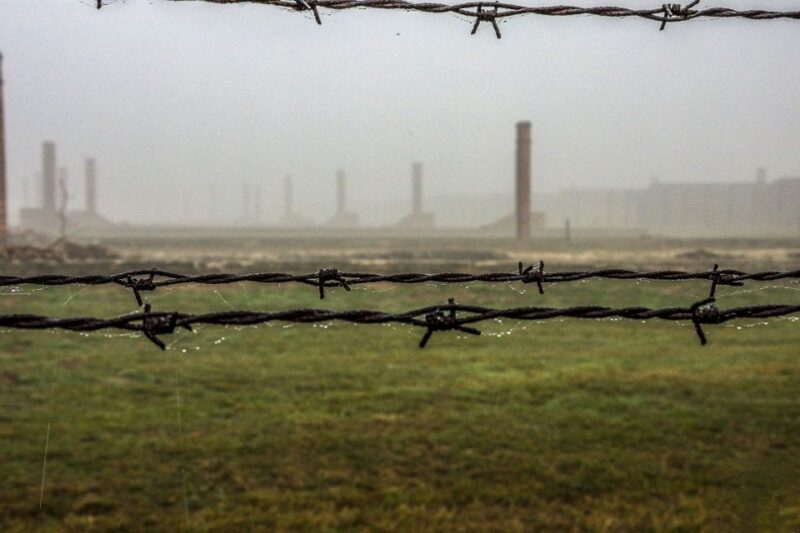
The visit begins near the museum entrance, where you meet the tour representative and receive your ticket before going through security. The meeting point can vary by booking option, so read the final instructions carefully. Some tour groups send messages with precise directions, but people have occasionally had trouble spotting the representative. If you cannot see your group, use the contact details supplied for the tour rather than wandering off.
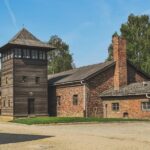
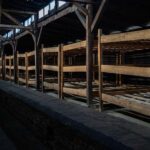
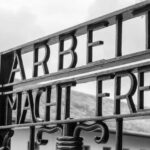
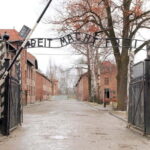
Once inside Auschwitz I, you pass through the familiar Arbeit macht frei gate and enter the original camp grounds. It is a sobering transition from the entrance area to a place where history is not abstract. The preserved buildings, including the barracks, show the setting in which prisoners were held and help make the conditions more legible than a book or photograph can.
Your guide explains the history of the complex and the events that took place there. That context matters: a camp building can look like an empty structure until someone explains its use and the human reality behind it. Guides have been praised for clear explanations, careful language, and taking questions. Past guides have included Marta, Magda, Jacob, Margherita, and Oscar Crespo, though you should not assume a particular person will lead your departure.
The group moves through a series of areas at a set pace. That keeps the visit organized, but it can limit how long you have to read or look closely at every exhibition. Some visitors have wanted more time inside certain buildings, while others found the pacing clear and manageable. If a particular exhibit matters to you, keep in mind that this is a group tour rather than a self-guided visit at your own speed.
Headsets are included, which help you hear the guide as the group moves. Equipment can occasionally be patchy, and a guide’s English may be easier for some people to follow than others. If you have trouble hearing, say so early. There may be little chance to catch up once the group has moved on.
You can check availability for your dates here: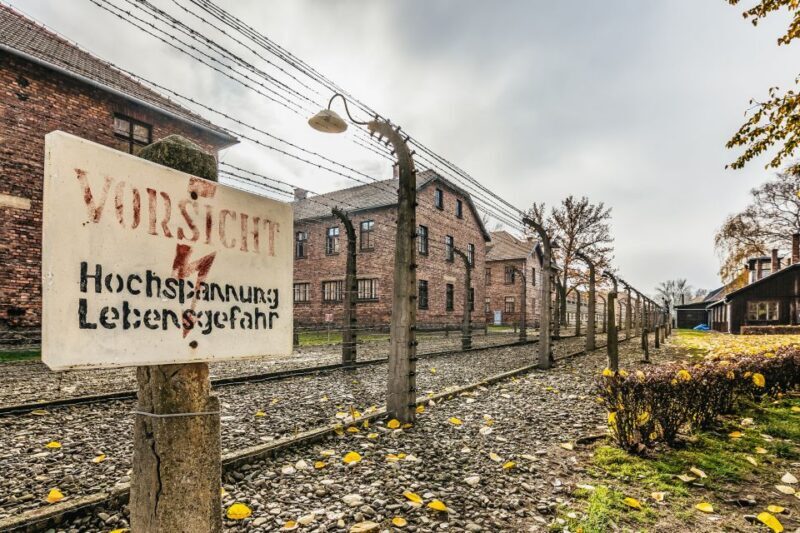
After Auschwitz I, there is a break of about 15 minutes before the visit continues at Birkenau. The camps are two kilometers apart, and transportation between them is not included in the tour price. The directions say to go to the parking area in Brzezinka by your own transport. If you arrive by public transport, tell the tour leader before the visit starts so they can help you work out how to reach the second camp.
Do not treat this transfer as a small footnote. It is the practical wrinkle most likely to affect your day, especially if you are relying on a bus or have a fixed return journey. Some visitors have used the museum shuttle between the sites, which is described as frequent, but the tour does not include a transfer. Check current arrangements and leave yourself enough time rather than assuming your group will provide a ride.
The break is also a useful moment to drink water, use the restroom if available, and prepare for more walking outdoors. Keep your phone charged and your group’s contact details handy. If you are driving, pay attention to where your vehicle is parked and where the group plans to meet at Birkenau.
You might also be interested in these Oswiecim experiences
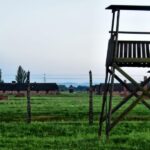
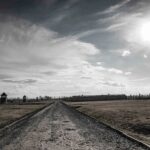
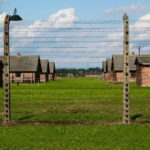
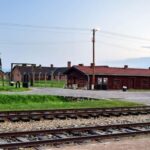
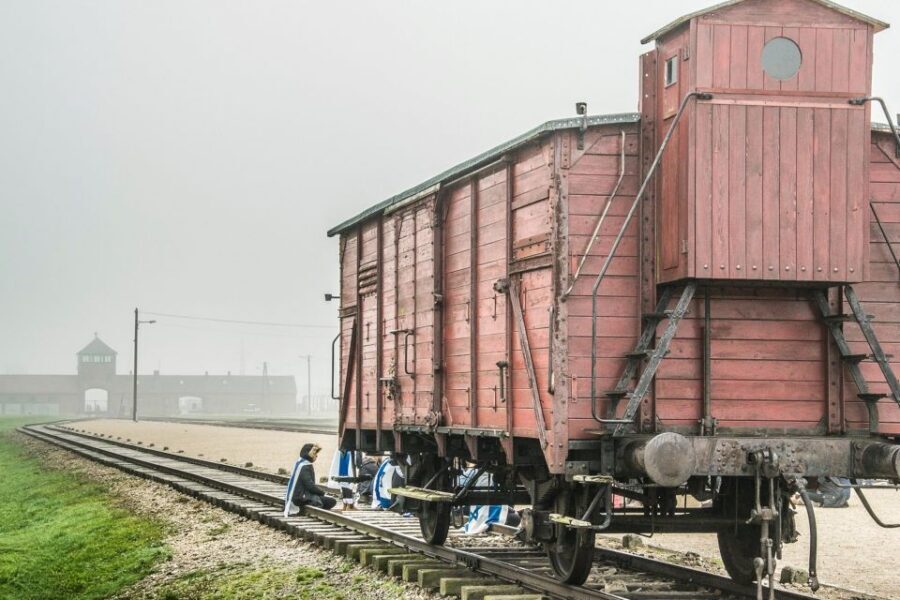
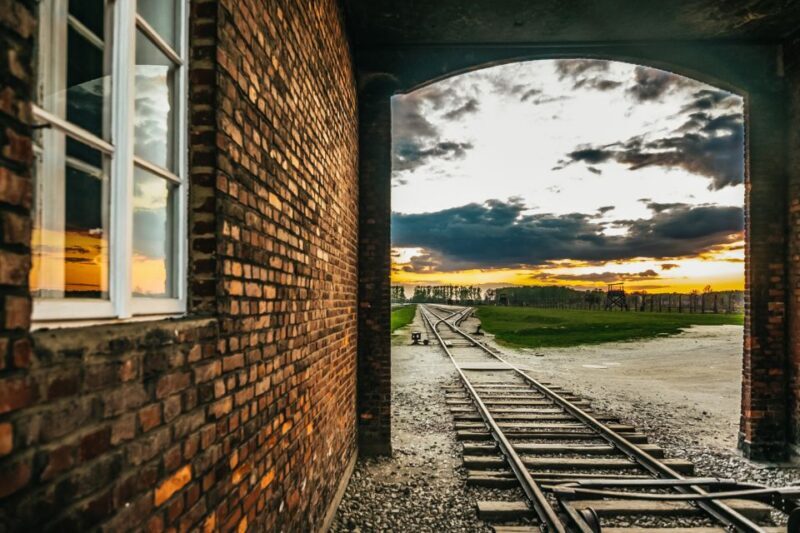
Birkenau, also known as Auschwitz II, is where the physical scale of the camp becomes especially hard to take in. The site includes railway tracks and barracks across a vast area. Its open ground gives you a different sense of the complex from the enclosed buildings at Auschwitz I: you can see how much space it occupied, while the barracks make the inhuman conditions of imprisonment more tangible.
The guide explains the camp’s role in mass murder as part of the Nazi Final Solution. This is the most emotionally demanding part of the visit for many people. The distance between the buildings, the visible tracks, and the sheer size of the grounds can leave you with a clearer sense of scale than a display panel alone. You may find the quiet between explanations as affecting as the facts themselves.
The Birkenau portion is largely outdoors, so weather matters. In winter, expect cold conditions while standing and walking; in warmer months, bring water and be prepared for exposure to sun. The tour’s total duration is about three and a half hours, but your time at each point can feel longer because the subject is heavy and the group keeps moving.
The pace has drawn mixed reactions. Many people value a guide who keeps the group together and explains the site in detail. A few have found the pace too quick, particularly when walking through Birkenau, or have struggled to locate their guide after making their own way between camps. If walking speed is a concern, tell the guide at the start. The information provided does not describe this tour as wheelchair accessible, and wheelchair users are listed as unsuitable.
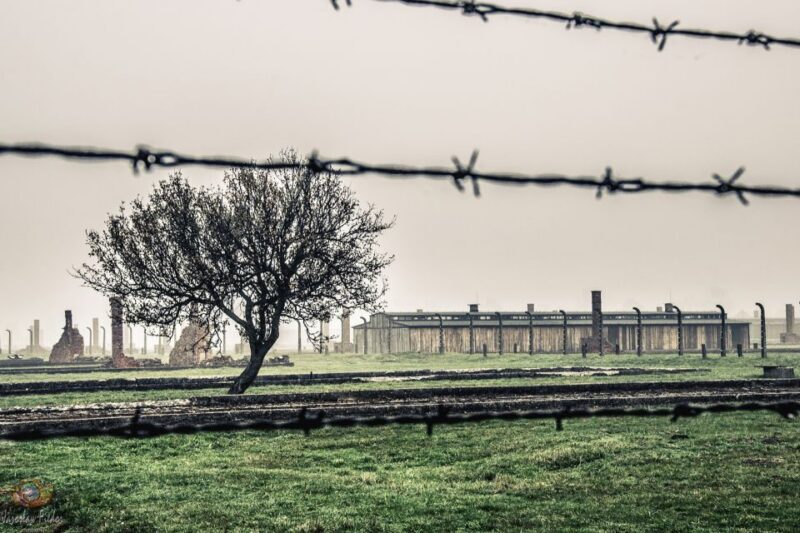
At $21 per person, the main value is the combination of fast-track entry, a live museum guide, and headsets. The guide is not an optional extra in the practical sense: the site is powerful on its own, but expert explanation helps connect the buildings and grounds to the history you came to understand. The tour’s price is modest for a guided visit of both camps, though it does not cover transport between them, parking, or travel to and from the museum.
The advertised duration is 210 minutes. That gives you a useful half-day estimate, but do not make a tight onward connection based on the scheduled length alone. The exact starting time arrives the day before, and some departures have shifted later than first expected. One visitor found a changed start left little time to catch a bus home. Build in a cushion, especially if you have a train or bus to catch.
The tour is offered in English, German, French, Spanish, and Italian. A live guide and headsets are included, and the group size is not specified. If you need a highly flexible visit, the fixed group pace may feel limiting. If you want structure and historical explanation without arranging a private guide, it is a strong-value option.
The tour has a 4.4 rating from 1,038 ratings. The praise centers on guides who explain the site clearly, answer questions, and handle a difficult subject with care. Communication before the visit has also been a strong point for many, including messages about meeting details or changes to the start time. The practical weaknesses are equally worth knowing: meeting points can be confusing, audio can be inconsistent, and some people want longer inside the buildings.
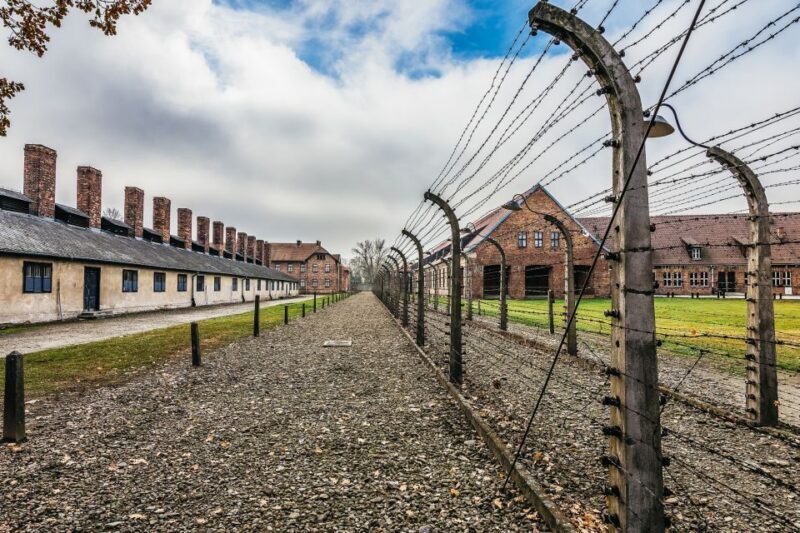
Bring your passport or ID card, as required, along with water and a packed lunch if you need one. Large bags and backpacks are not permitted. The stated maximum bag size is 20 by 30 centimeters, so a small bag is the safest choice. Leave luggage elsewhere rather than hoping it can be stored at the entrance.
Dress for a long walk and the weather, with clothing that respects the memorial setting. Short skirts and sleeveless shirts are not allowed. Smoking, pets, alcohol, and drugs are prohibited, and smoking is also not allowed in the vehicle. Follow instructions about photography and restricted areas. This is a memorial, and the way you behave affects the experience for everyone around you.
The tour is not suitable for children under 12. It is also not suitable for wheelchair users. Families with very young children should not assume a stroller can be taken inside; one parent with a toddler found they had to carry the child. If mobility, stamina, or accessibility is a concern, check directly with the operator before booking.
It helps to prepare emotionally as well as practically. Reading a reliable guide to the site beforehand can give you names and historical context to hold on to during the visit. You do not need to arrive with specialist knowledge, but a little reading may help you follow the guide and make better use of the limited time in each building. Give yourself quiet time afterward, too. This is not the sort of visit most people want to follow immediately with a crowded attraction.
More Great Tours Nearby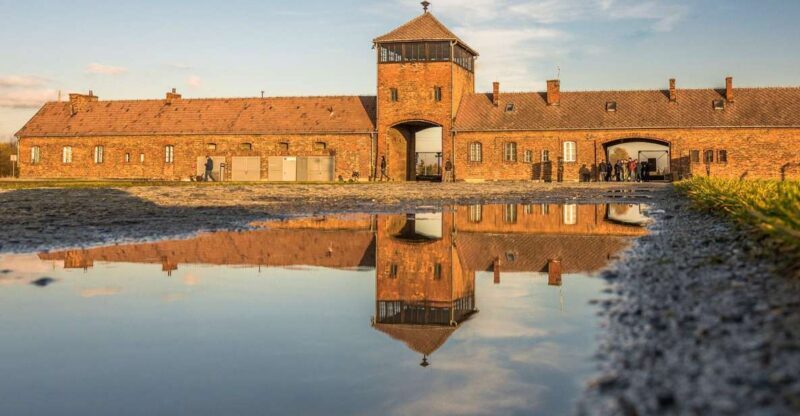
Book it if you want a guided, structured visit to both Auschwitz I and Birkenau for a modest price, and you are comfortable with a fixed pace and a serious subject. The guide, fast-track entry, and headsets give you useful support at a site where context matters. It is especially suited to people who want a clear overview in one visit and are willing to plan their own transfer between the camps.
Think twice if you need extra time at every exhibition, depend on a very tight return connection, or need wheelchair access. The biggest practical job is sorting out the two-kilometer transfer during the brief break. Confirm your meeting point, keep your phone available, and tell the tour leader if you are arriving by public transport. With those details handled, this is a low-cost way to approach a place that deserves patience and respect.
If you prefer having a local expert, these guided Oswiecim experiences could work well
“The guides were absolutely fantastic, communication was second to none from initial booking to completion of the tour. Highly recommended 5 stars”
The tour lasts about 210 minutes, or three and a half hours.
Live guides are available in English, German, French, Spanish, and Italian.
The price includes fast-track entry to the Auschwitz-Birkenau Museum, a museum guide, and headsets.
No. Transportation between the two camps is not included. They are about two kilometers apart, and visitors arriving by public transport should tell the tour leader before the tour begins.
Bring a passport or ID card, drinks, and a packed lunch if needed. Large bags are not allowed, and the maximum permitted bag size is 20 by 30 centimeters.
Tours can take place between 7:30 AM and 3:00 PM. You can select a preferred start time, but the exact time is sent the day before the tour.
No. The tour is listed as unsuitable for children under 12 and wheelchair users.
You can check availability for your dates here: