Physical Address
304 North Cardinal St.
Dorchester Center, MA 02124
Physical Address
304 North Cardinal St.
Dorchester Center, MA 02124

Compare three Gyeongju day-tour routes from Busan, from Silla tombs and Bulguksa to traditional villages and evening palace views.
Gyeongju’s Silla-era tombs, temples, and palace grounds make a striking contrast with modern Busan, and seeing them in one day is the draw here. The evening stop at Donggung Palace and Wolji Pond is a fitting finale on two of the three routes, when the old palace grounds take on a different character under the lights.
I like that you can choose between a traditional village visit and a museum-focused route, and that guides such as Bobby Kim, Jun-a, and Olivia have been praised for clear explanations, practical help, and good photo tips. The trade-off is the length: with two roughly 100-minute coach rides and several stops, this is a full day with plenty of walking.
KTOURSTORY offers three package choices, each built around Bulguksa and key parts of historic Gyeongju. The main difference is the middle portion of the day and the final stop, so check the route carefully before booking rather than assuming every listed site is included in every option.
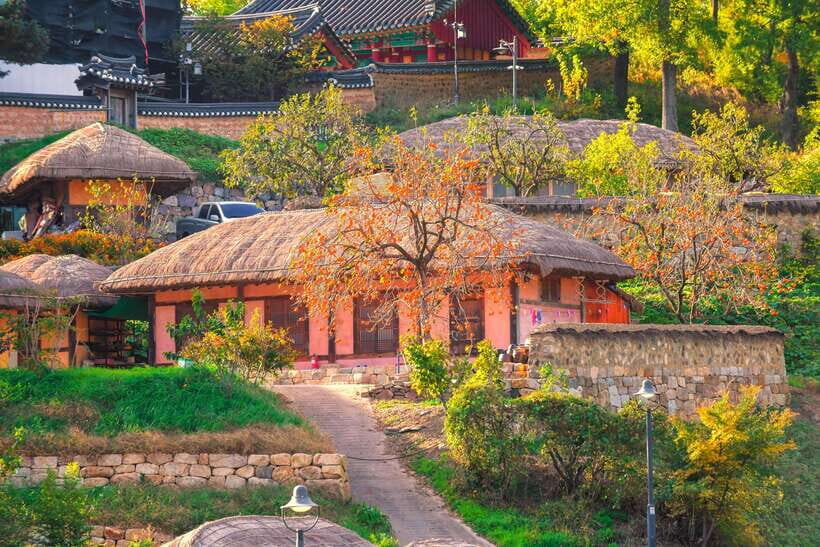
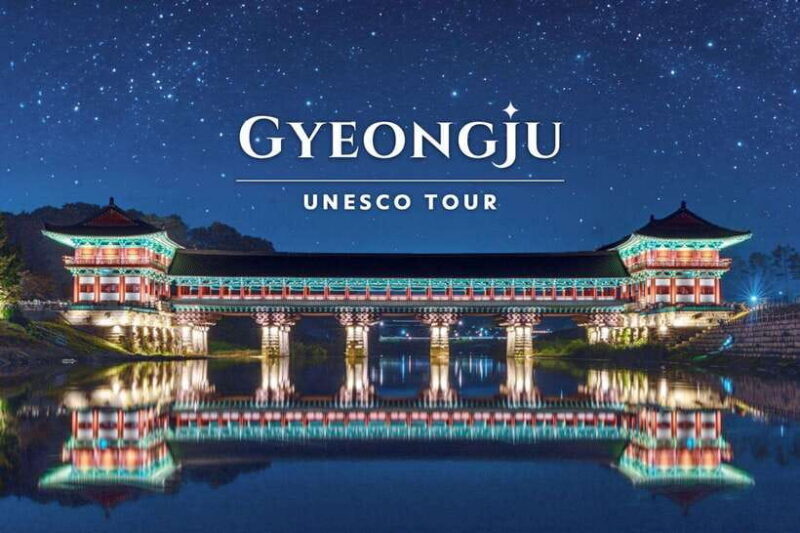
Package A, Gyeongju UNESCO Tour, visits Yangdong Folk Village, Bulguksa Temple, Daereungwon Tomb Complex and Hwangridan Street, then Woljeong Bridge and Donggung Palace and Wolji Pond. It suits you if traditional homes and an evening visit to the palace grounds are priorities.
Package B, Echoes of Silla Tour, swaps Yangdong for Gyeongju Gyochon Traditional Village. It also includes Bulguksa, Daereungwon and Hwangridan Street, followed by the bridge and pond at night. Choose this route if you want a traditional village closer to the city’s historic center.
Package C, Gyeongju Museum Tour, includes Bulguksa, Hwangridan Street and the Daereungwon area, with Cheomseongdae named as part of the route, followed by Gyeongju National Museum. It does not list the evening bridge and pond visit. This option makes more sense if museum collections appeal more than an after-dark stop.
The route descriptions and stop timings can vary by package, and the activity’s general itinerary lists the village alternatives separately. Confirm the exact stops and meeting point for your chosen option before you set out.
If you prefer having a local expert, these guided Busan experiences could work well
The trip begins at one of several Busan meeting points: Seo-myeon Station Exit 12, Haeundae Station or Exit 5, and KTX Busan Station Exit 1. The return drop-off points are the same set of locations. Since the meeting point depends on the option booked, check your confirmation closely and allow time to reach the right station exit.
The coach journey to Gyeongju takes about 100 minutes, with a similar ride back. That is a substantial part of the day, but it turns a multi-stop visit into a straightforward outing without asking you to coordinate transport between sites yourself. Transport is included, and the tour is rated highly for it, though the trip’s overall length is worth considering if you prefer a slower pace.
Groups can range from one to 43 people. A larger group may mean more time gathering and moving between stops, while some past outings have run ahead of schedule when the group was small. Either way, listen carefully to the guide’s meeting times at each site. A packed route leaves little room to miss the bus and catch up later.
The tour runs for 8 to 12 hours, depending on timing, traffic, weather, and route. Busan traffic and busy dates can affect the schedule, so keep your plans for later that day flexible.
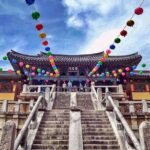
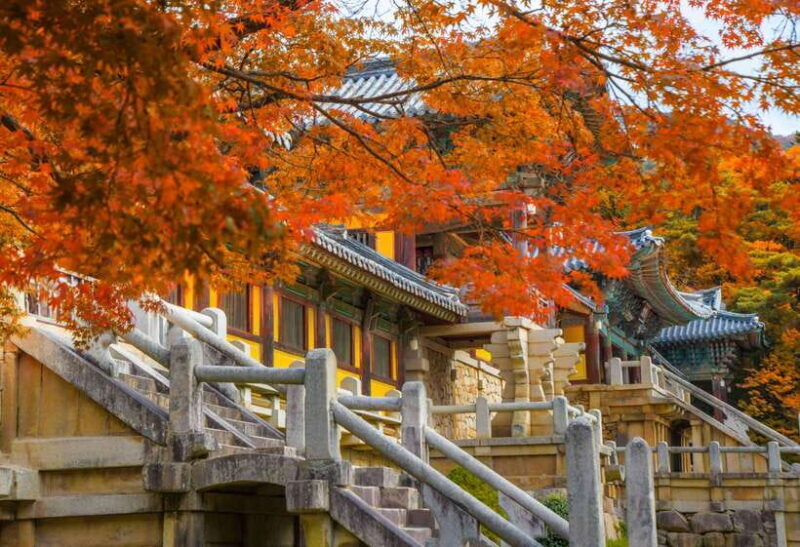
Bulguksa is the first major stop on all three routes, with about 70 minutes for a guided visit and time to look around. Its wooden buildings sit on raised stone terraces, a setting that makes the temple complex as interesting for its layout and craftsmanship as for its religious role.
A guide adds useful context here. Instead of just moving from one building to another, you can hear how the temple fits into the Silla period and what to notice as you explore. Guides on past trips, including Song, Bobby Kim, and Jun-a, have been singled out for clear explanations and answers to questions. Your guide is not guaranteed to be one of them, but the tour operates in English, Chinese, and Korean.
Seventy minutes is enough for a guided introduction and a look around, but it is not an unhurried temple visit. Wear comfortable shoes: the day includes several stops, and the walking adds up.
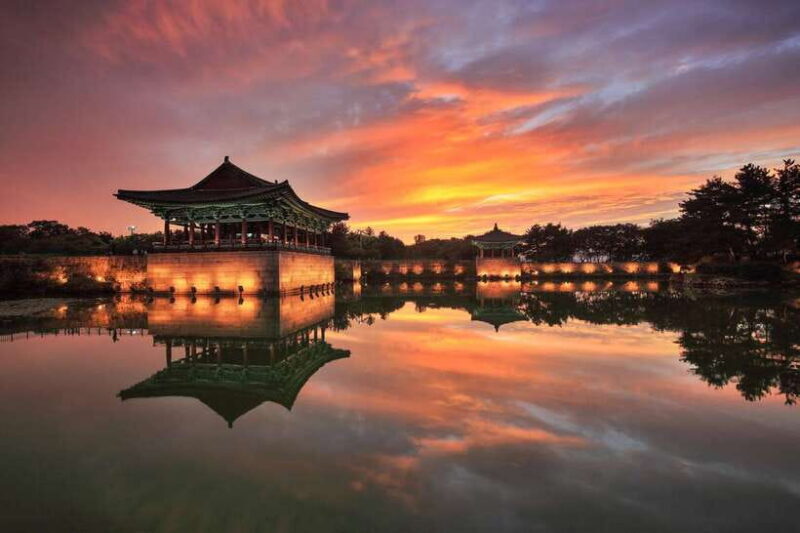
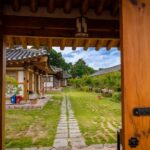
Package A takes you to Yangdong Folk Village for about an hour and a half. This UNESCO World Heritage site is known for traditional Korean hanok houses and offers a different angle on Korea’s past from the Silla tombs and temple. If you want to see historic homes in a village setting, it is the stronger fit.
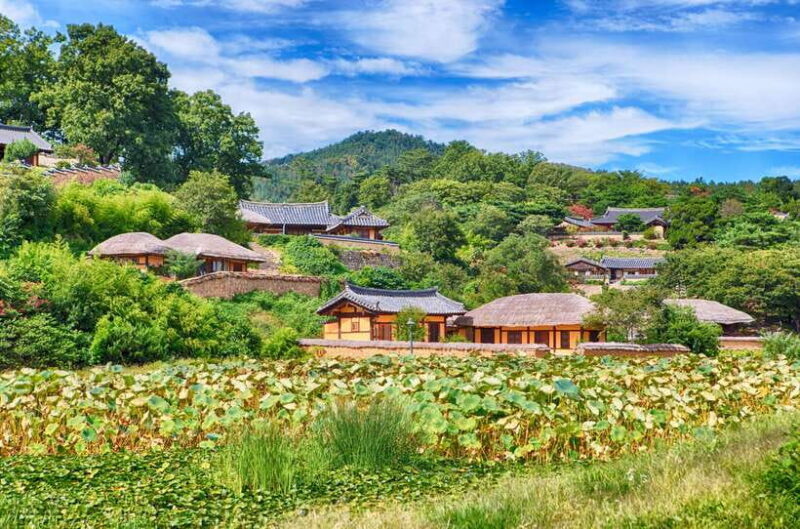
Package B visits Gyeongju Gyochon Traditional Village for about 100 minutes. The village is associated with the ancestral homes of the Gyeongju Choi clan. It gives you a closer look at local heritage within the Gyeongju area, and it pairs naturally with the city-center stops that follow.
These are alternatives, not two visits in one tour. Both add variety to a day otherwise centered on major historic sites, but you should choose based on which setting interests you more. Package A also includes the Yangdong Village entry fee; the inclusions do not list that fee for Package B.
More Great Tours Nearby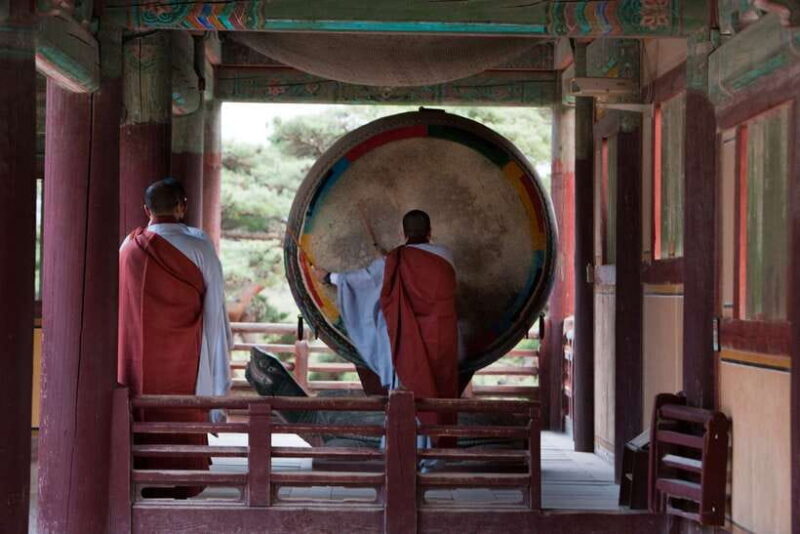
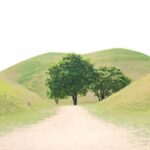
On Packages A and B, Daereungwon Royal Tomb takes about 75 minutes. The grassy burial mounds are a distinctive sight, and the stop helps explain why Gyeongju is often called an open-air museum: remains of the Silla capital sit within the present-day city rather than being tucked away in a distant archaeological park.
The tour includes the Cheonmachong Tomb entry fee on Package A. The stated inclusions do not promise that entry fee for the other packages, so check the package details if going inside the tomb matters to you.
Next comes Hwangridan-gil, with about 30 minutes of free time. This street mixes cafes, small shops, and food stalls with the area’s historic character. It is a welcome change of pace after guided visits, though half an hour is a short window. Use it for a quick snack, a few photos, or a brief look around rather than expecting time for a long meal or a leisurely browse.
Package C includes Hwangridan Street and the Daereungwon area, with Cheomseongdae also named in its route description. The museum-focused itinerary gives you a different balance from the two routes that continue to the evening palace sites.
History buffs will find these Busan heritage tours enlightening
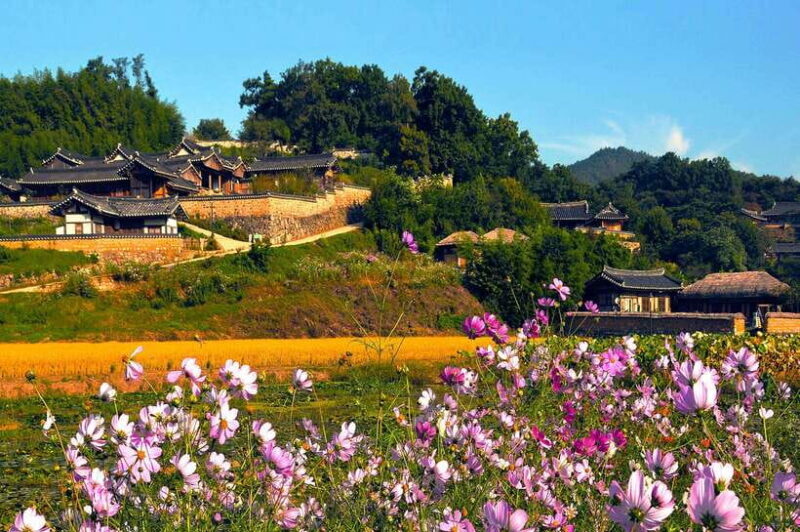
Packages A and B end with two evening stops. Woljeong Bridge gets about 20 minutes for a visit and photos. Its reconstructed wooden form makes an appealing riverside pause, and the short stop is best treated as a chance to take in the structure rather than a long exploration.
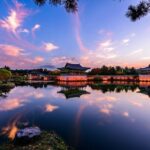
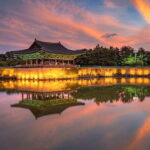
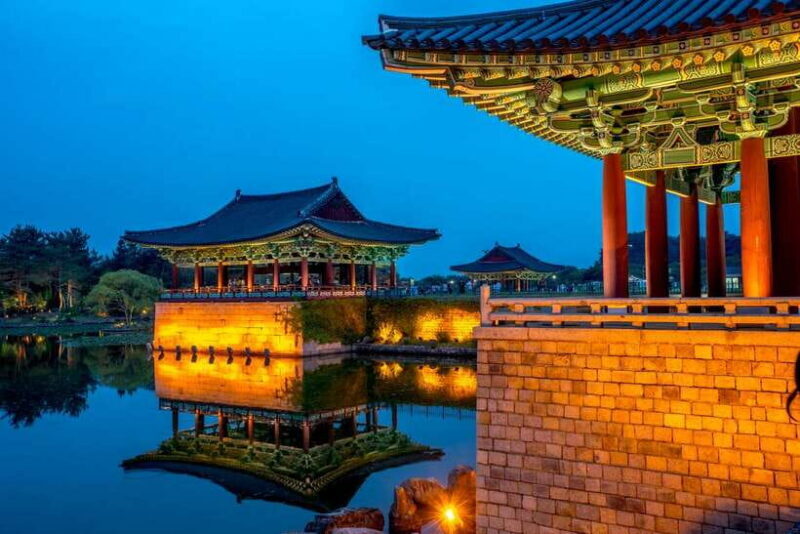
Donggung Palace and Wolji Pond follow, with about an hour to see the former palace complex. The pond’s reflections are the main attraction after dark, and the night setting gives the day a quieter finish after the coach rides and busy daytime sites. Past guides have helped groups find good photo spots, a practical plus if you want a picture without spending the whole stop working out where to stand.
Entry to Donggung and Wolji is included for Packages A and B. Package C instead visits Gyeongju National Museum, so do not book that option expecting the pond at night. The museum visit is about an hour, with free time to see collections of Silla artifacts, including golden crowns and Buddhist relics. It is a worthwhile alternative if you want objects and historical context in a museum setting, but it does not provide the same outdoor evening finish.
At $52 per person, the tour offers a practical way to see several Gyeongju sites from Busan in a single day. You are paying for round-trip transport and guided visits, not just a ride between cities. A guide can connect the temple, villages, tombs, and palace grounds into a clearer story than a string of independent photo stops.
The package-specific entry fees matter when comparing options. Yangdong Village and the Cheonmachong Tomb entry are included for Package A, while Donggung and Wolji entry is included for Packages A and B. Meals, travel insurance, and other personal expenses are not included. Some past groups have stopped for a traditional Korean lunch, but food is not part of the stated price, so budget separately and ask about meal arrangements if you have dietary needs.
The overall rating is 4.8 from 1,250 ratings, and the most consistent strengths are guide quality, organization, and the number of sites covered. Past guides named in feedback include Bobby Kim, Jun-a, Olivia, Song, Brian, and Victoria. Their strengths have included explaining history clearly, helping with photos, and managing a tight schedule. Names and guide assignments vary, so treat these as examples of the tour’s guiding style, not a promise about who will lead your trip.
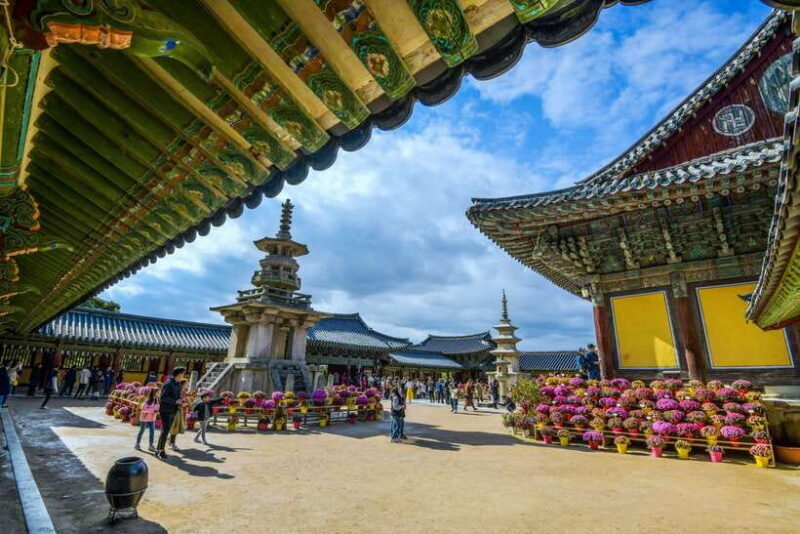
This tour suits you if you are based in Busan and want a guided introduction to Gyeongju without arranging each connection yourself. It also works well if you value history and want a guide to explain what you are seeing, especially at Bulguksa and the Silla tombs.
It is less suited to anyone hoping for a slow, open-ended day. Stops have fixed durations, Hwangridan-gil is brief, and the total outing can reach 12 hours. The group limit is 43, so it may not feel intimate at full capacity, although the guide team helps keep people moving and past groups have included both English- and Chinese-speaking staff.
Bring comfortable shoes and be ready for a lot of walking. If you plan to bring a stroller, notify the activity provider 48 hours in advance. Infants aged 0 to 2 can join free if they do not occupy a seat. Weather and traffic can change the itinerary, so keep that in mind when choosing a date.
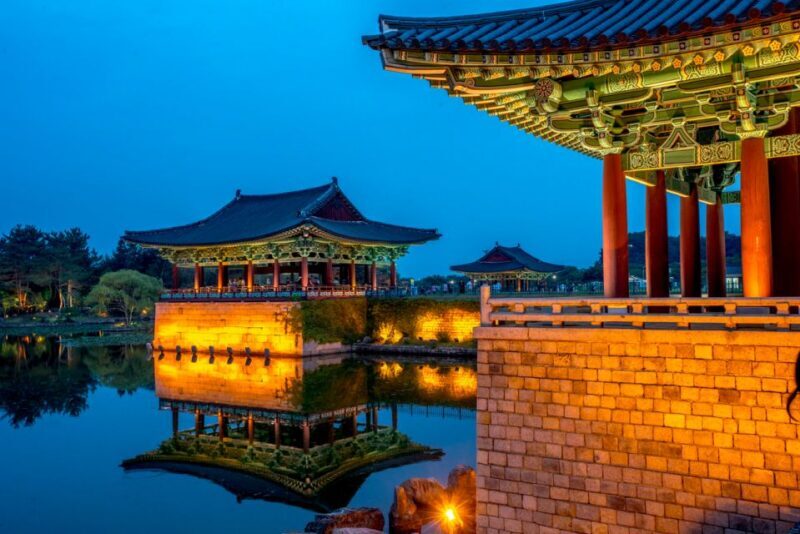
I would book this if you want a well-organized introduction to Gyeongju, value round-trip transport from Busan, and are happy to spend most of the day moving between sites. Package A is the clear pick for Yangdong Village and the evening pond; Package B offers Gyochon instead; Package C is for you if the museum matters more than the night views.
Before paying, compare the precise route, included entry fees, and meeting point for your chosen package. If you want long visits, a flexible lunch, or time to linger at each stop, plan an overnight stay in Gyeongju instead. If your priority is to see several of its defining sites in one day, this is a strong-value option.
“It was a nice experience Bobby Kim & Alice were excellent guides they provided interesting information of all the places. He also took some nice ph…”
The tour lasts 8 to 12 hours. Traffic, weather, and the day’s timing can affect the schedule.
Possible meeting points include Seo-myeon Station Exit 12, Haeundae Station or Exit 5, and KTX Busan Station Exit 1. The meeting point depends on the option booked, so check your booking details.
Live tour guides or staff are available in English, Chinese, and Korean.
Package A includes Bulguksa Temple, Yangdong Folk Village, Daereungwon and Hwangridan Street, Woljeong Bridge, and Donggung Palace and Wolji Pond.
Package B includes Bulguksa Temple, Gyeongju Gyochon Traditional Village, Daereungwon and Hwangridan Street, Woljeong Bridge, and Donggung Palace and Wolji Pond.
No. Packages A and B include the palace and pond. Package C visits Gyeongju National Museum instead.
No. Meals are not included in the tour price. Personal expenses and travel insurance are also excluded.
Comfortable shoes are recommended. The tour includes multiple stops and walking.
Infants aged 0 to 2 can join free if they do not occupy a seat. If you are bringing a stroller, inform the activity provider 48 hours in advance.
You can check availability for your dates here: