Physical Address
304 North Cardinal St.
Dorchester Center, MA 02124
Physical Address
304 North Cardinal St.
Dorchester Center, MA 02124


Eat your way through Shinsekai on a three-hour Osaka tour of five local eateries, with takoyaki, kushikatsu, two drinks, and a small group.
Shinsekai is best understood at eating pace: walk its arcades and side streets, then step into small Japanese-run eateries for dishes you may not know how to order on your own. This three-hour tour visits five different places and serves a generous spread of Osaka specialties, from takoyaki and kushikatsu to udon, gyoza, and tonpeiyaki.
I like the mix of local food and neighborhood context, and the small group size, capped at nine, gives you room to ask questions and get to know the people around you. One consideration: the menu leans heavily on meat, wheat, and other common allergens, so the tour is not suitable for vegans or people with gluten intolerance.
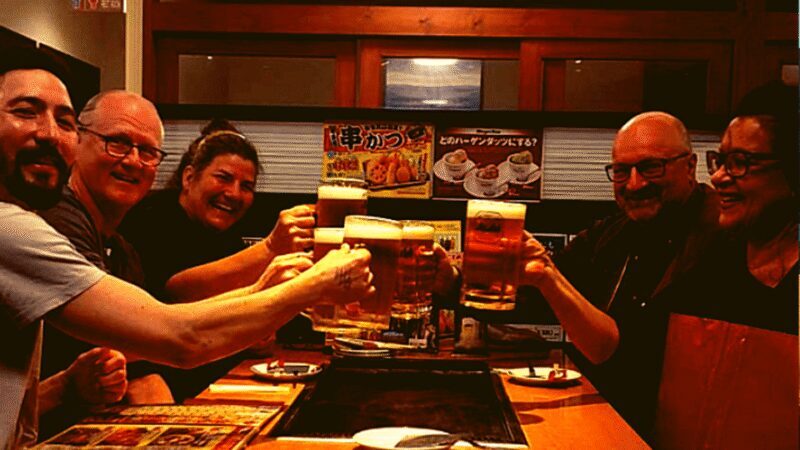
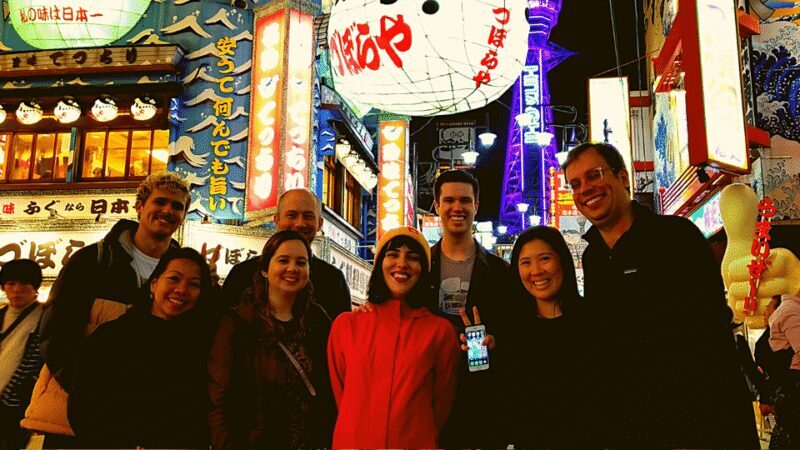
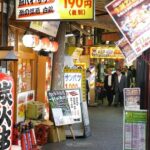
Shinsekai is known for its mix of old and new, and this tour uses food to help you read the neighborhood. Instead of spending the evening in one restaurant, you move among five small establishments, with arcades and side alleys linking the stops. The route makes the district part of the experience, not just a backdrop for dinner.
That approach is useful if you are new to Osaka’s food culture. A plate of kushikatsu or a bowl of kitsune udon may be easy to find on a menu, but the tour adds context about the dishes, the area, and the people who make them. Guides such as Taka, who is Osaka-born and raised, have shared local customs and ideas for places to visit afterward. Guide assignments vary, but past tours have also been led by Kevin, Mio, Paul, Tommy, and others.
You will walk between stops, so this is not a sit-down tasting with long gaps between courses. One visitor described it as a good way to explore the area while working up an appetite for the next plate. In cold weather, that steady movement can be welcome. Still, wear comfortable shoes and be ready for a full three hours on your feet.
For more Osaka culinary adventures, you might enjoy these food and drink experiences
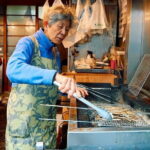
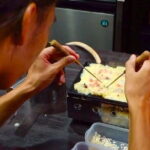
The evening begins at a stall serving takoyaki and oden. Takoyaki are battered octopus balls, a familiar Osaka specialty; oden is a comforting assortment of ingredients simmered in broth. Starting with these gives you two very different ways into local comfort food, one hot and snack-like, the other more gently simmered.
The second stop is an izakaya, a casual Japanese place for food and drinks. The sample spread here includes kitsune udon, yakitori, chicken wings, and nagaimo. Kitsune udon pairs noodles with sweet fried tofu, while yakitori is grilled skewered chicken. Nagaimo, a type of mountain yam, brings a different texture to the meal. This is a useful point to ask your guide what you are eating and how locals tend to enjoy it.
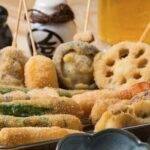
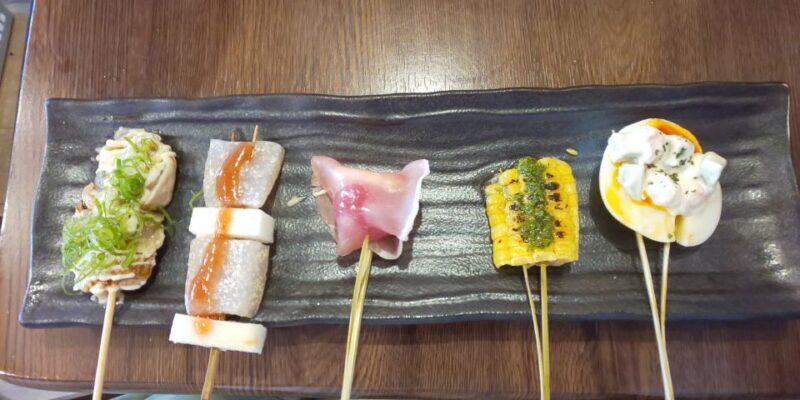
Kushikatsu is another Osaka classic on the menu: meat and vegetables lightly deep-fried on skewers. It is a good example of the city’s hearty, informal cooking. The exact ingredients can vary, and the dishes are subject to restaurant availability, but the range should give you a better sense of the local style than a single specialty dish would.
A cozy traditional restaurant follows, with sample dishes including nikudoufu, a beef and tofu stew, and yakitori made with beef skewers. Mochi and a drink are also included. The appeal here is the contrast with the first two stops. You get a chance to sit down over more substantial, homestyle food rather than simply sampling street snacks.
The fourth stop is a gyoza specialist. Gyoza are Japanese dumplings, and this dedicated visit is a chance to try a version you may not have found on your own. One guide has taken groups for Osaka-style crispy gyoza, but you should not count on a particular preparation every time. As with the rest of the menu, what is served can depend on the restaurant and the day.
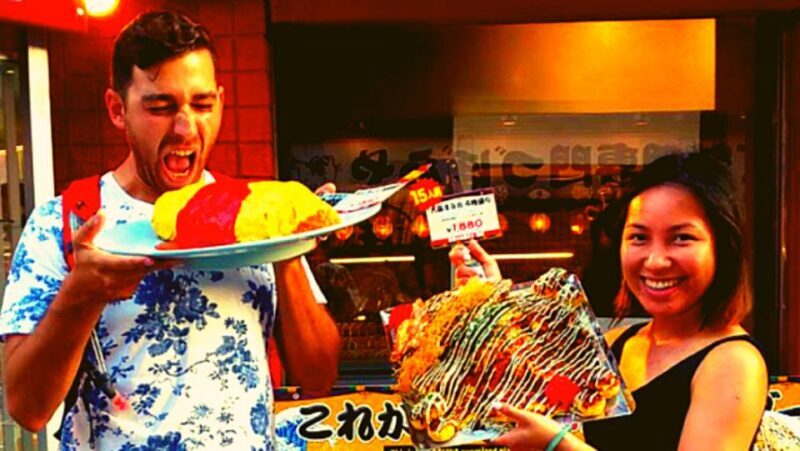
The final eatery brings out tonpeiyaki, a pork omelette, alongside edamame, karaage, and Japanese pancake or fruit. Karaage is Japanese fried chicken seasoned with spices. Another drink is included here, giving you a final chance to choose an alcoholic or non-alcoholic option. The order and exact menu may shift, but the overall plan is clear: several kinds of food, from quick bites to filling plates, across multiple local businesses.
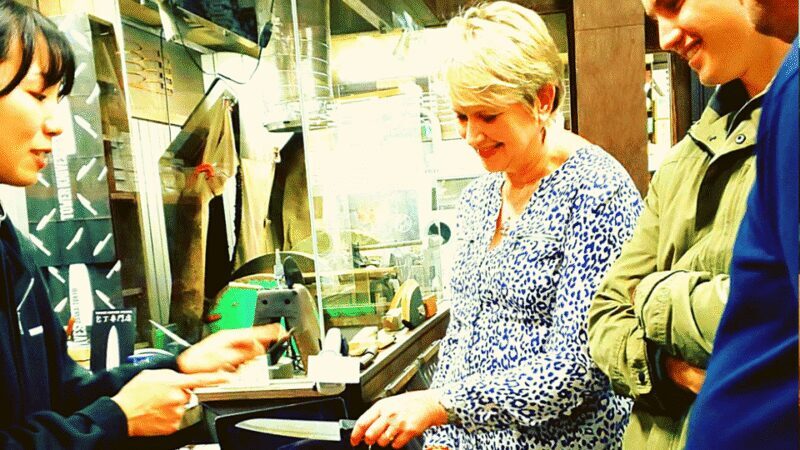
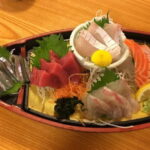
Thirteen dishes over five stops is more than a light tasting. The tour is a good fit if you want to make dinner the main event and like trying several small plates rather than choosing one entrée. The listed count is 13 dishes, while the tour name gives a range of 13 to 15. Since dishes vary by season and restaurant availability, think of the number as a guide rather than a promise of a fixed menu.
The portions are plentiful enough that many people finish the tour full. That is part of the value, but it is also worth planning around: a large lunch just before the start is likely to make the later stops less enjoyable. If you are traveling with children or have a smaller appetite, note that one family found the guide was able to order fries for the children. That is a kind gesture, not a guaranteed menu option.
The selection is broad enough to suit many curious eaters without being a dare-based food challenge. You will meet familiar things, such as fried chicken and dumplings, alongside dishes that may be new to you, like nagaimo or nikudoufu. The guide can explain what is on the table, but the tour is not suitable for vegans or people with gluten intolerance. If you have another dietary restriction, check with the operator before booking rather than assuming substitutions will be possible.
Food is the main attraction, but the guide can make the difference between a sequence of restaurant visits and a neighborhood introduction. The best guides keep the evening moving while making space for questions, explaining dishes, and sharing stories about Osaka. Past guides named by participants include Taka, Kevin, Mio, Paul, Tommy, Kiko, and Mario. You cannot choose a particular guide from the information provided, so treat the names as examples, not a booking guarantee.
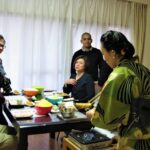
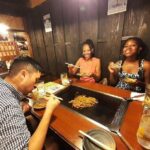
A group of no more than nine helps keep the format personal. In small eateries, a large tour can feel awkward or take over the room. Here, the group size makes it easier to settle in, listen to explanations, and talk with the other people at the table. Some groups have even carried on together after the tour, though that is a happy extra rather than part of the plan.
The guide also helps bridge language gaps. The eateries may have Japanese-only menus, and having someone explain the dishes and handle the sequence of stops can make the evening much easier than trying to order your way through unfamiliar places alone. The experience is especially helpful early in an Osaka visit, when you can use the area tips and food explanations for the rest of your stay.
More Great Tours Nearby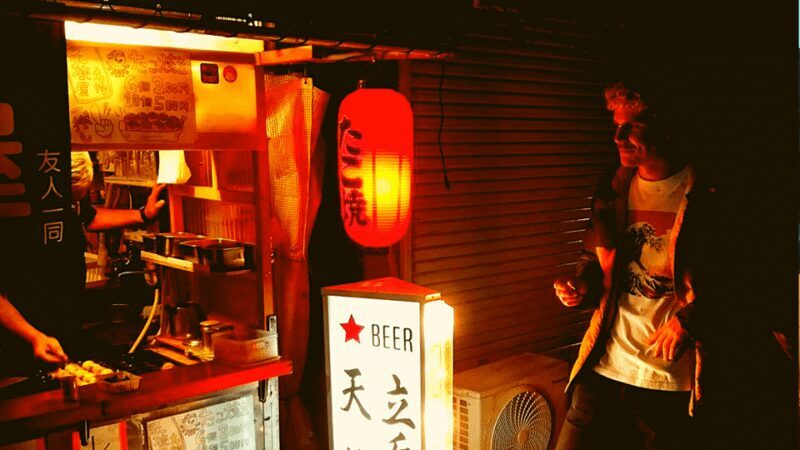
At $53 per person, you get five restaurant stops, 13 dishes, two drinks, and an English-speaking guide for three hours. That is strong value if you would otherwise pay for dinner and want an introduction to local specialties. You are also paying for access and explanation: the guide takes you into small establishments that can be hard to identify or navigate when menus are only in Japanese.
The value depends on your appetite and interests. If you prefer one leisurely meal in a single restaurant, this walking format may feel too busy. If you like sampling many dishes and learning where they fit into local food culture, the variety is the point. The small-group cap also gives the tour a more personal feel than a large bus-style outing.
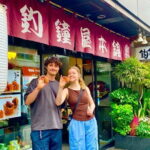
Keep in mind that the stated price does not include hotel pickup or drop-off. The meeting point is outside the 15 wall lanterns of Daiichi Building, by Exit 1 of Dobutsuen-mae Station on the Midosuji Line. Check the exact start time when you book, and leave enough time to find the meeting spot.
Bookings can be canceled up to 24 hours in advance for a full refund, and a reserve-now, pay-later option is available. Occasionally, a planned restaurant may be closed or fully booked, in which case the tour uses an alternative. That flexibility makes sense for small local businesses, but it means the exact lineup is not fixed.
You might also be interested in these Osaka experiences
I would put this tour high on the list for food lovers, first-time visitors to Osaka, and anyone who wants to try several local dishes without having to decode menus alone. It is also a good choice if you enjoy walking, informal eateries, and the social side of a small group. The guides’ mix of food explanations, neighborhood stories, and practical suggestions can make the evening useful beyond the meal itself.
It is less suitable if you need vegan or gluten-free food, want a quiet dinner in one place, or prefer to know every dish in advance. The menu can change, the stops are small, and the meal is substantial. For most other eaters, the combination of variety, guidance, and five local settings makes $53 a fair price.
“The tour was fantastic! The food was excellent, and it was so nice to walk into small places and either have the whole place, or tables reserved fo…”
The tour lasts three hours, including visits to five eateries and walking between them.
The tour includes 13 dishes. It is also described as offering 13 to 15, and the exact selection can vary by season and restaurant availability.
Yes. Two drinks are included, and you can choose alcoholic or non-alcoholic options.
Meet outside the 15 wall lanterns of Daiichi Building, at Exit 1 of Dobutsuen-mae Station on the Midosuji Line.
No. The tour is not suitable for vegans or people with gluten intolerance because there are too few suitable dishes available.
The small group is limited to nine participants.
No. Hotel pickup and drop-off are not included.
You can check availability for your dates here: