Physical Address
304 North Cardinal St.
Dorchester Center, MA 02124
Physical Address
304 North Cardinal St.
Dorchester Center, MA 02124

Visit the 3rd Tunnel, Dora Observatory and Gamaksan Suspension Bridge on a full-day Seoul tour with an English-speaking guide.
The 3rd Tunnel is the kind of place that makes the Korean peninsula’s division feel physical: you descend underground, then walk through a narrow passage built beneath the border. This nine-hour trip also takes you to Dora Observatory for a look north and to Gamaksan’s suspension bridge, near a battlefield where British troops fought during the Korean War.
I like the mix of historical sites and firsthand-feeling geography, and the guides are a major part of the day. Winnie, Kenny, Sophie, Grace and Lucky are among the guides praised for clear English, lively explanations and personal stories. One caution: the 3rd Tunnel has a steep slope, and reaching the bridge means a 40-minute hike, so this is not an easy day for everyone.
At $65 per person, this tour packs several distinct stops into one day: Imjingak Park, the Freedom Bridge, the DMZ, the 3rd Tunnel, Dora Observatory and Gamaksan Suspension Bridge. Round-trip shared transport, entrance fees and a licensed English-speaking guide are included, which makes the price reasonable if you want the logistics and historical context handled for you.
The day is not a quiet museum visit. You’ll spend several hours on a bus or minivan, walk at multiple sites, and follow a schedule shaped by security rules. The listed journey includes an 80-minute bus ride, a 40-minute transfer between sites, and another 80-minute return leg. Traffic and military procedures can affect the pace, so leave some flexibility around plans after the tour.
The experience’s strongest thread is the guide’s commentary. Guides such as Winnie, Kenny, Sophie, Grace and Lucky have been singled out for their ability to explain complex history in accessible English, keep the group engaged, and share personal or family connections to the conflict. You cannot count on a particular guide when booking, but the emphasis on a professional, English-speaking guide matters here: the places make much more sense when someone explains what happened and what you are looking at.
You can check availability for your dates here: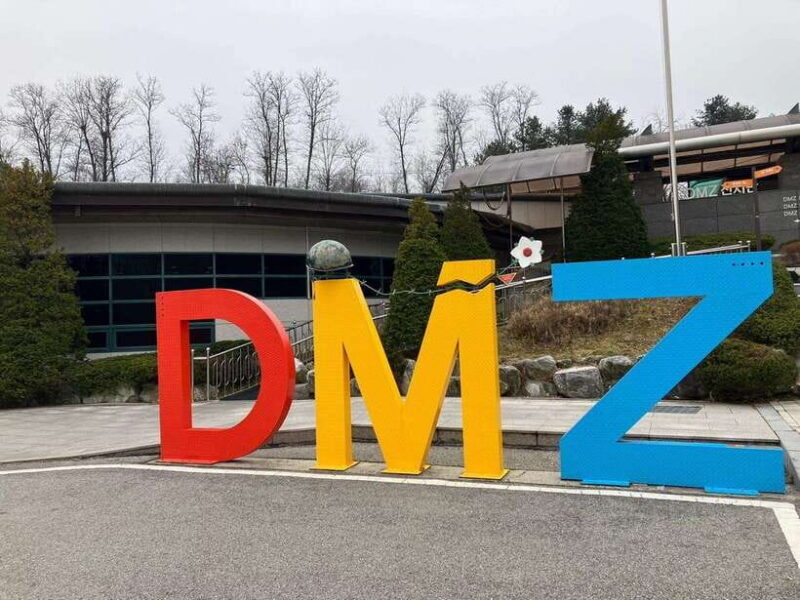
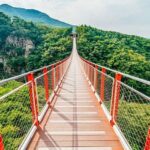
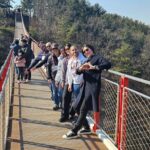
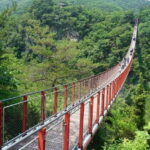
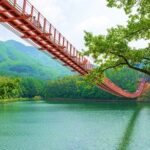
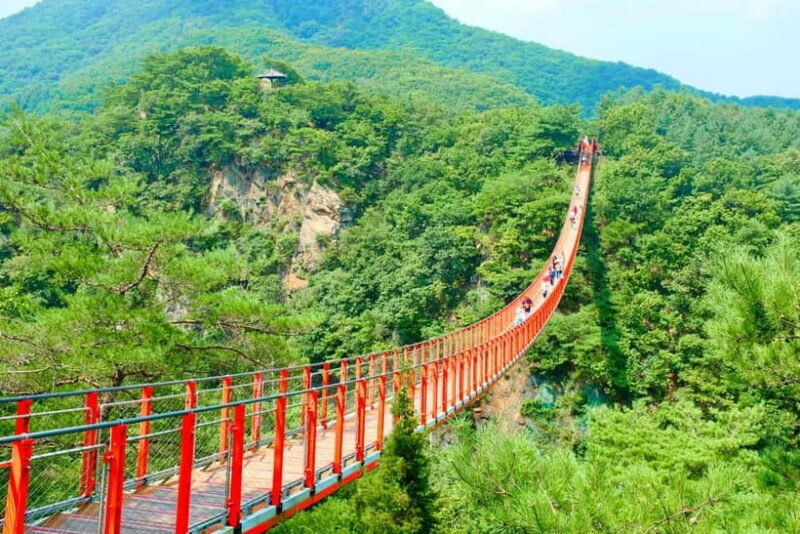
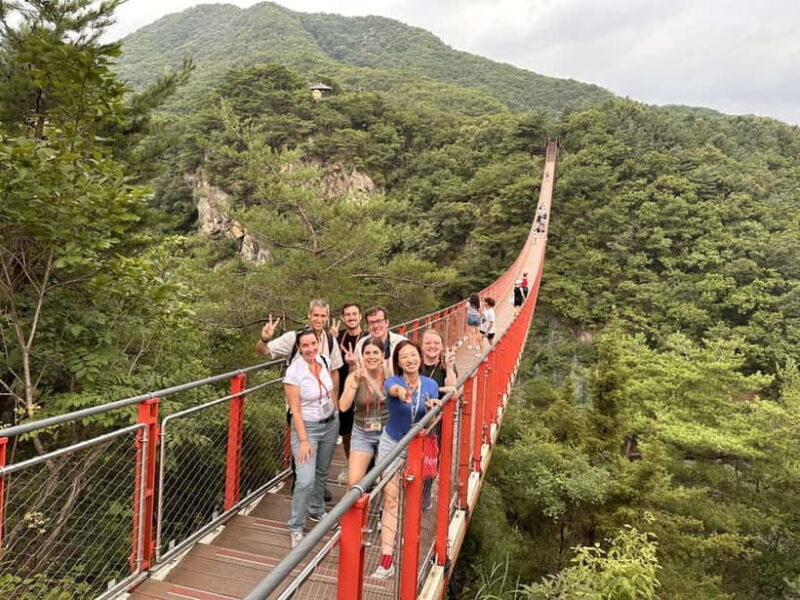
The itinerary begins with a bus ride of about 80 minutes to Gamaksan Mountain, where you’ll visit the Red Suspension Bridge. It sits in an area associated with the Battle of Solma-ri, a Korean War battle in which British troops fought. That connection gives the stop more meaning than a scenic bridge visit alone.
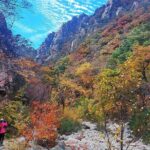
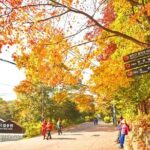
The bridge is a chance to take in the views and get photos, but getting there requires a hike of about 40 minutes. Comfortable walking shoes are essential. The tour specifically advises against heels, flip-flops and slippers, and the climb may be a poor fit if you have limited mobility or want a day with little exertion.
This stop is also the tour’s most debatable inclusion. If you enjoy a short mountain hike and want a change of scenery from the war sites, it adds variety. If your main reason for booking is the DMZ, the bridge may feel like extra time and effort before you reach the central sites. One visitor specifically felt the tour was good but would not necessarily recommend the bridge portion, so consider whether the walk appeals to you before choosing this version.
Looking for more options in Seoul? Here are some other experiences worth considering.
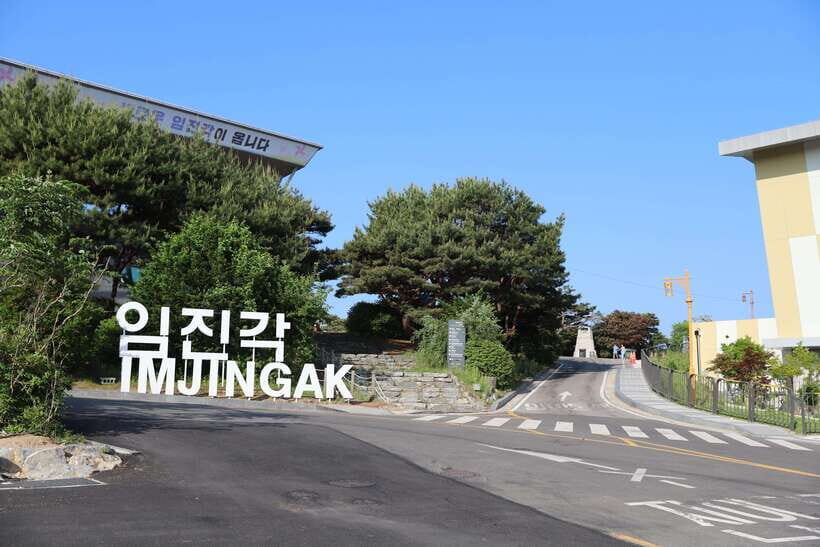
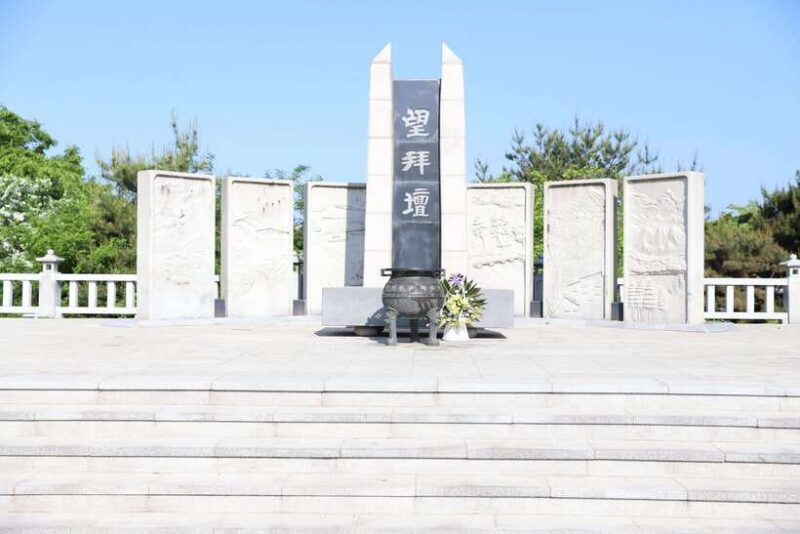
After about 40 minutes on the bus, the group reaches Imjingak, roughly seven kilometers from the Military Demarcation Line. The park is closely tied to the Korean War and the division of the peninsula. Its Mangbaedan Altar and the Bridge of Freedom offer a place to think about the human consequences of a border that remains in place.
The Bridge of Freedom is a key stop, with about 30 minutes set aside for a guided visit. Nearby, Dokgae Bridge was destroyed during the war and later rebuilt. These are not simply scenic structures: they are physical traces of conflict, and your guide can help explain why the sites matter to Koreans today.
Imjingak is also a useful point to pause and take stock before entering the more controlled DMZ area. The tour includes a guided visit of about an hour at Imjingak, plus time at the Freedom Bridge. The exact flow may shift with the day’s schedule, but expect a steady pace rather than a long, unstructured stop.
There are shops and places to get food around the area, with options at different price points. Food and drinks are not included, so bring money for a meal or snack. The schedule includes a short break at Imjingak, but this is not a food-focused excursion; keep your expectations practical and eat when you have the chance.
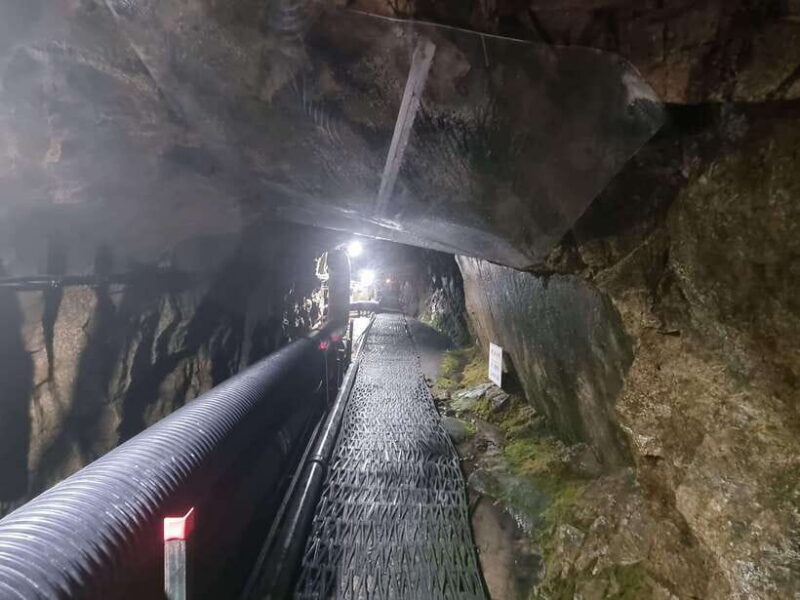
The Demilitarized Zone is the buffer separating North and South Korea. The word demilitarized can sound reassuring, but this is a tightly controlled frontier, and access depends on military and government rules. Your guide will lead the group through the permitted areas and explain how the border works.
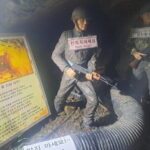
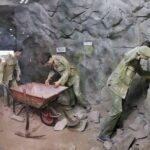
The 3rd Infiltration Tunnel is the day’s most tangible encounter with that tension. It is 1,635 meters long and about two meters wide and two meters high, and lies roughly 52 kilometers from Seoul. The tunnel was built beneath the border, and walking into it gives you a direct sense of the underground route and the narrow space involved.
Allow about an hour for the guided tunnel stop, though the walk itself takes around 30 to 40 minutes round trip. The route has a steep slope, so it can be strenuous for children and older people. If you do not want or cannot manage the descent, you may wait near the tunnel entrance instead. This is not a wheelchair-accessible experience, and people with heart problems are advised not to take the tour.
Wear supportive shoes and be prepared to walk at the group’s pace. The tunnel is an unusual and memorable part of the day, but it is not a comfortable stroll. For many, the physical effort is part of what makes the visit feel real; for others, the slope may be the deciding factor.
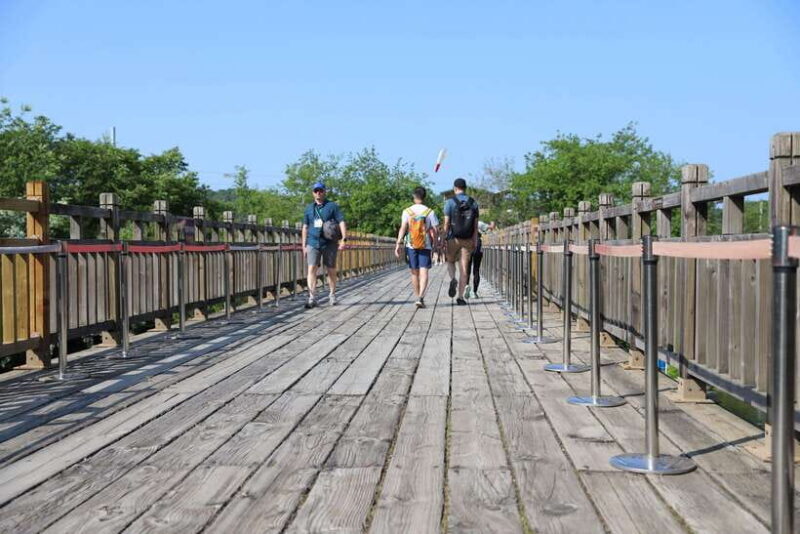
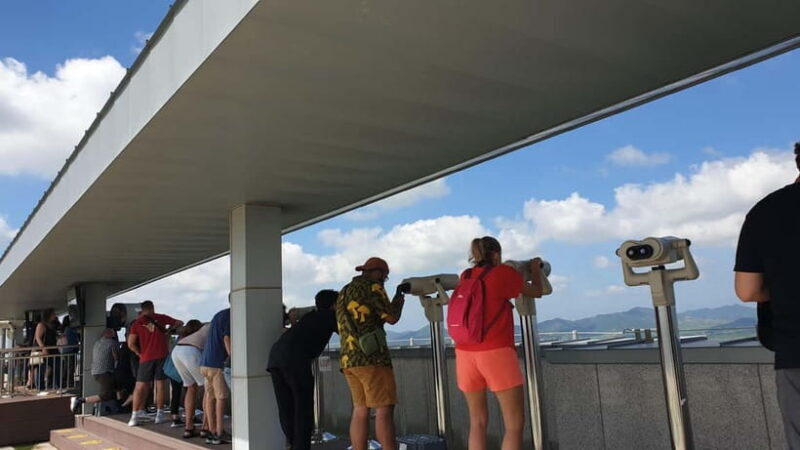
At Dora Observatory, you’ll have about an hour to look toward North Korea and several significant locations. On a clear day, you may even see people going about daily life. The view is weather-dependent, so clouds or haze can limit what you can make out. Treat the observatory as a chance to understand the geography, not a promise of a close-up view.
The guide’s explanation is especially useful here. A distant view across a heavily controlled border can otherwise be hard to interpret. With the political and historical context in place, the observatory becomes more than a lookout point: it helps you grasp how close the two Koreas are and how much separates them.
This tour does not include the Joint Security Area at Panmunjom. If visiting the JSA is your main goal, this is not the right itinerary. Its focus is the tunnel, observatory and other sites included in the DMZ area, rather than access to the JSA.
More Great Tours Nearby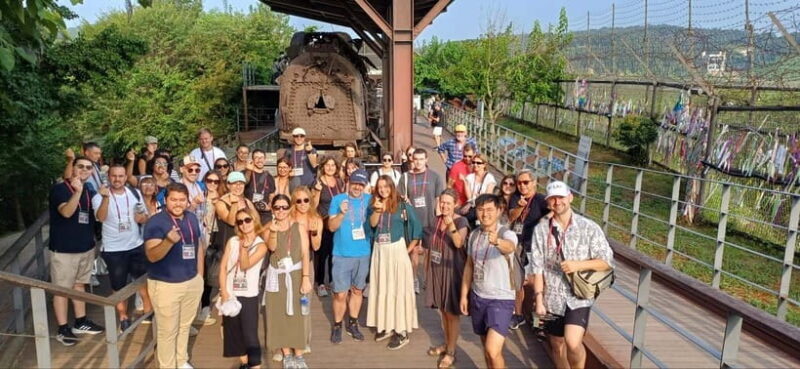
Transport is by air-conditioned bus or minivan, with round-trip shared transfers included. Pickup depends on the option you book. Optional pickup is offered at centrally located Seoul hotels in areas such as Gangnam, Myeongdong, Gwanghwamun, Itaewon and Dongdaemun. If your accommodation is hard to reach or outside the central area, you may be asked to meet at a central hotel or nearby subway station instead.
Check your email the day before the tour for the confirmed pickup time. The schedule can change: cold weather has prompted a later pickup on some days, and the tour may adjust its order or timing. One account of a changed start time still found the day on schedule, but you should not plan a tight flight connection or another fixed appointment immediately afterward.
There is an additional government-policy wrinkle: if the vehicle has fewer than 30 people, a transfer to a DMZ shuttle bus is required. That extra change of vehicle is worth knowing about before you set out, especially if you prefer uninterrupted transport.
The DMZ is operated by the military, so access can be canceled without prior notice. Weather, military decisions and government regulations can also change the route. If the planned DMZ visits cannot go ahead, the alternate program may include Imjingak, Art Space BEAT 131, Odusan Unification Observatory and the War Memorial of Korea. The stated policy says there is no refund for this itinerary change, so book with the understanding that access to the exact sites is not guaranteed.
This works best for you if you want a guided introduction to the Korean War and the division of the peninsula, and you are comfortable with a long day that includes bus travel and walking. Families can find the subject matter and guided format worthwhile, but the tunnel’s steep slope may be hard for younger children. Infants under 24 months can join free, but they do not receive a seat.
The tour is a poor choice if you need wheelchair access, have a heart condition, or want to avoid hills and stairs. Unaccompanied minors are not allowed, and intoxicated passengers will not be admitted. Smoking in the vehicle, alcohol and drugs are prohibited.
Bring your passport. Wear comfortable shoes suitable for both the tunnel and the mountain path, and carry some money for food and drinks. Travel insurance is not included, and neither is hotel drop-off. Free hotel pickup is available only for groups of 10 or more when arranged at least 24 hours in advance.
For $65, the value comes from combining several sites with transport, entrance fees and a licensed guide in a single day. Getting to the DMZ independently is not the simple part; the military-controlled setting, transfers and historical context all make an organized tour useful. The guide’s role is particularly important, and the consistently warm response to guides such as Winnie, Kenny and Sophie points to the kind of clear, personable commentary that can turn a series of stops into a coherent story.
The trade-off is the packed schedule and the uncertainty of access. You pay for the planned tour, but military rules and weather may substitute other sites, and the suspension bridge adds a hike that not everyone will value. If your priorities are a guided history lesson, the 3rd Tunnel and a chance to look toward North Korea, the price is fair. If you only want to see the DMZ quickly or avoid physical activity, look for a shorter or less strenuous option.
I would book this tour if you want the history explained as you go and can manage the walking. Choose it with open eyes: the tunnel can be strenuous, the bridge hike takes effort, and a clear view from Dora Observatory is never guaranteed.
“We had a wonderful trip with Winnie! She was so informative, humorous and spoke great English! We learned so much about North and South Korea and h…”
The tour lasts about nine hours, including bus travel and guided stops.
Entrance fees, round-trip shared transport, an air-conditioned bus or minivan, and a licensed professional DMZ guide are included.
Pickup depends on the option booked. Centrally located hotel pickup is offered, and free hotel pickup is available for groups of 10 or more with at least 24 hours’ advance booking.
Yes. You should bring your passport.
The tunnel has a steep slope, and the round trip on foot takes about 30 to 40 minutes. It can be challenging for children and older people, who may wait near the tunnel entrance.
The walk to the Gamaksan Suspension Bridge takes about 40 minutes. Comfortable shoes are recommended.
No. A visit to the JSA, also known as Panmunjom, is not included.
The itinerary may change because of weather, military decisions or government rules. The alternate sites may include Imjingak, Art Space BEAT 131, Odusan Unification Observatory and the War Memorial of Korea. The stated policy does not offer a refund for this change.
You can check availability for your dates here: