Physical Address
304 North Cardinal St.
Dorchester Center, MA 02124
Physical Address
304 North Cardinal St.
Dorchester Center, MA 02124


Skip ticket lines at the Vatican Museums, hear the stories behind the Sistine Chapel, and add direct entry to St. Peter’s Basilica.
The Vatican Museums are less a single museum than a long procession of rooms, courtyards, and masterpieces. A guide helps you find your way through the highlights, then sets the scene for Michelangelo’s ceiling in the Sistine Chapel, where the art rewards a little context.
I like two things especially: skip-the-ticket-line entry saves time at a very popular sight, and an expert guide turns the paintings and sculptures into more than a blur of famous names. Add the Basilica option and you can also see the Pietà and Bernini’s Baldachin.
The main consideration is the crowds. Even with quicker entry, the museums can feel packed, and three hours only covers selected highlights. Check the day and time carefully, too, because Basilica access is not available on Wednesdays or for tours starting after 2:00 PM.
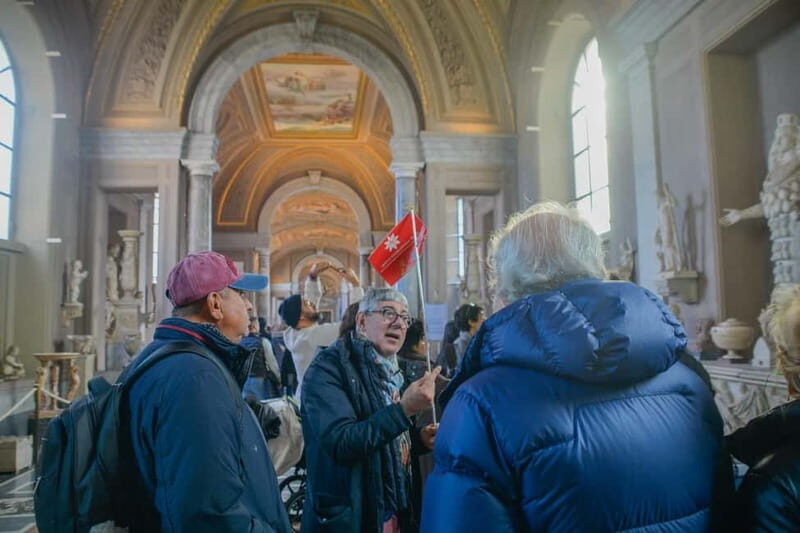
At $73 per person, this tour’s main value is not just getting through the ticket line. It’s having someone help you make sense of a vast collection before the art and crowds start to run together. The Vatican Museums hold far more than you can see in a short visit, so a guide’s route gives you a manageable introduction to the rooms that many people most want to see.
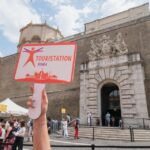
The tour starts near Via Vespasiano, at one of two possible addresses: number 26 or 28. Check your booking for the exact meeting point, since it can vary by option. A local assistance team is available there, and free WiFi is provided at the meeting point.
Inside, you’ll wear a headset so you can hear the guide in busy galleries. That matters in rooms where people are moving in every direction. One person did find the headset equipment poor, so don’t expect perfect sound quality, but the headsets are intended to keep the guide audible without everyone having to crowd around.
Guides are a recurring strength of this experience. Patricia, Valentina, and Antonio are among the names that visitors have singled out for their clear explanations, warmth, humor, and ability to keep a group together. Your own guide will depend on the departure and language you choose, but the tour is offered in English, Italian, Spanish, French, German, and Portuguese.
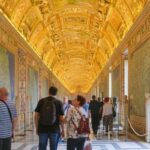
A good guide is especially useful here because the collection is so dense. You may be looking at a sculpture, a ceiling, or a wall of maps while people stream past. A short explanation can give you a reason to pause and a detail to remember, without asking you to read every label.
Culture seekers can explore more Rome museums and galleries
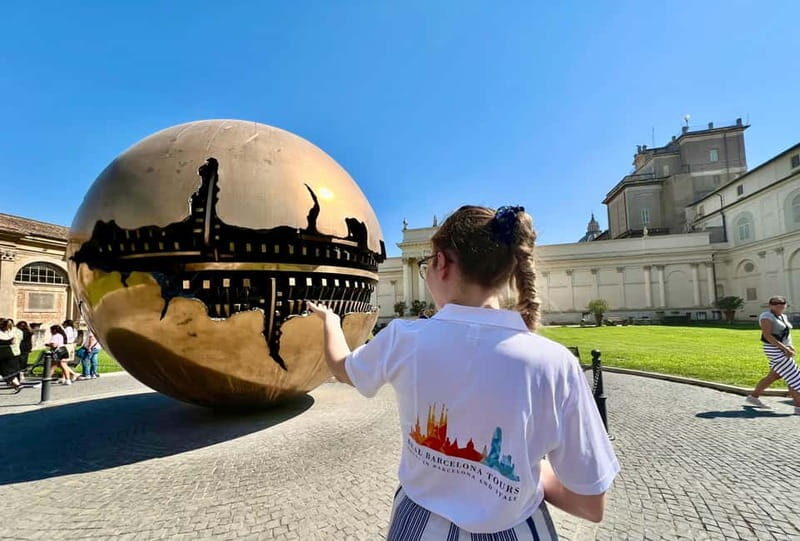
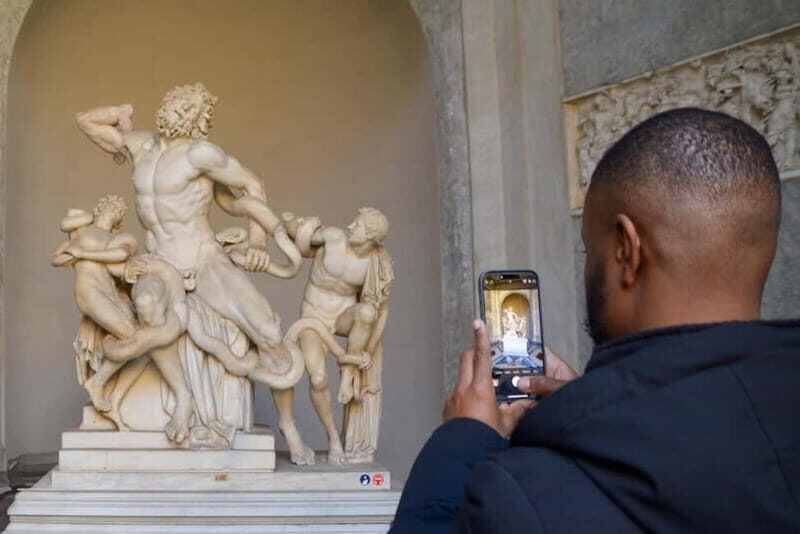
The route includes the Cortile del Belvedere, the Gallery of Tapestries, the Gallery of Maps, and other parts of the Vatican Museums. The exact flow through the complex can shift, but these galleries give you a sense of its range: open-air architecture, finely worked fabric, painted maps, and ancient Roman sculpture.
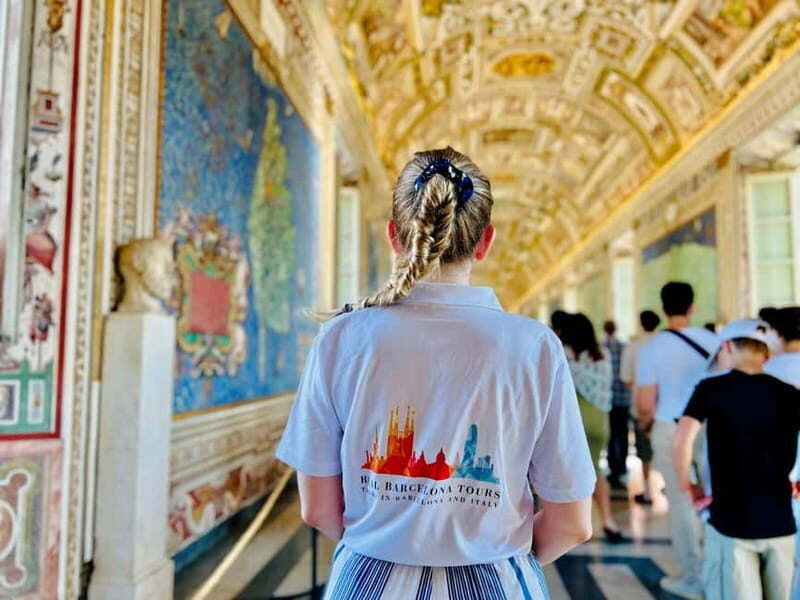
The Gallery of Maps is a natural highlight. Its long walls are covered with detailed maps of Italian regions, painted in the 16th century. Think of it as a period view of the peninsula, made for the eye rather than a phone screen. A guide can point out how these maps combine geography and decoration, and why the gallery is more than a convenient corridor.
The Gallery of Tapestries offers a different kind of close looking. The woven scenes have fine detail and texture, but it is easy to keep walking without taking in the workmanship. Your guide can help focus your attention and explain what you are seeing.
The Gallery of the Candelabra and the ancient Roman sculptures add further variety. These rooms are not just a warm-up for the Sistine Chapel. They show how broad the museums’ collection is, and how much art and history sits along the route. The trade-off is that the tour has a set pace. If you want to spend a long time with one particular object, you may need to return later on your own.
The Vatican Museums are large enough that a guided visit necessarily leaves things out. One visitor noted how much more there was to see, including Egyptian and Etruscan collections and objects given to the popes. If you have time and want to explore beyond the tour’s main route, ask your guide what you can revisit or continue seeing afterward. One visitor was told they could stay in the museums until 8:00 PM, but hours can vary, so confirm the day’s rules rather than relying on that timing.
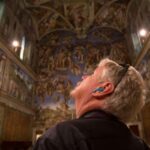
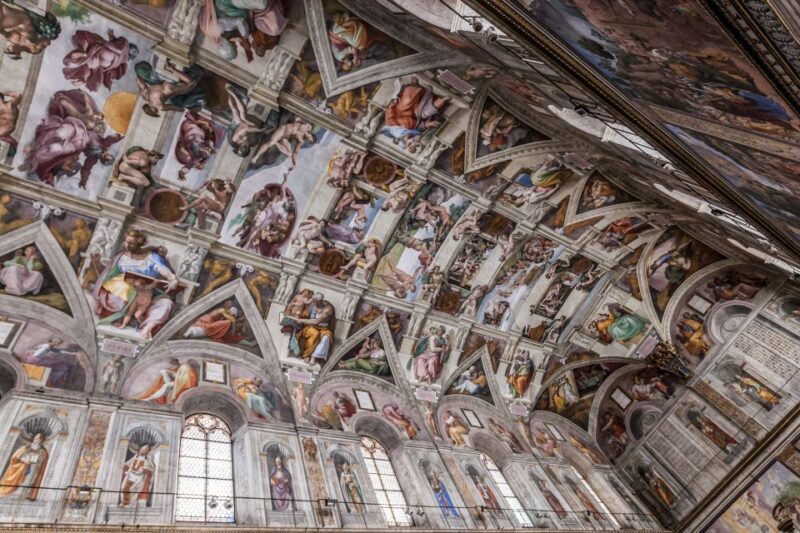
The Sistine Chapel is the moment many people have been waiting for. Michelangelo’s ceiling includes the famous Creation of Adam, and the wall behind the altar is dominated by The Last Judgment. These are not small pictures in a quiet gallery. You stand beneath an entire painted world, with details spread across the ceiling and walls.
A guide’s explanation before you enter is particularly useful. The chapel is a sacred space, and guides cannot give the same spoken tour inside that they can elsewhere. A briefing beforehand helps you know what to look for, so you’re not trying to identify the main scenes while craning your neck in a crowded room.
Some guides also share tips for reading the frescoes. Susana, for example, was praised for pointing out ways to identify figures in the chapel. That sort of practical cue can help you orient yourself amid the scale and detail. Give your eyes time to adjust, and remember to look beyond the most familiar image of Adam reaching toward God.
The chapel can be crowded, and the visit may feel brief if you hoped for a quiet, unhurried look. Photography is not permitted according to a guide’s account, and speaking is restricted. Those rules are worth accepting as part of the setting: this is a place to observe quietly, not to stop for a long explanation or take a series of pictures.
On rare occasions, the Sistine Chapel may close without notice. If that happens, the guide will take you through other parts of the Vatican Museums instead. It is an unusual possibility, but worth knowing before you book.
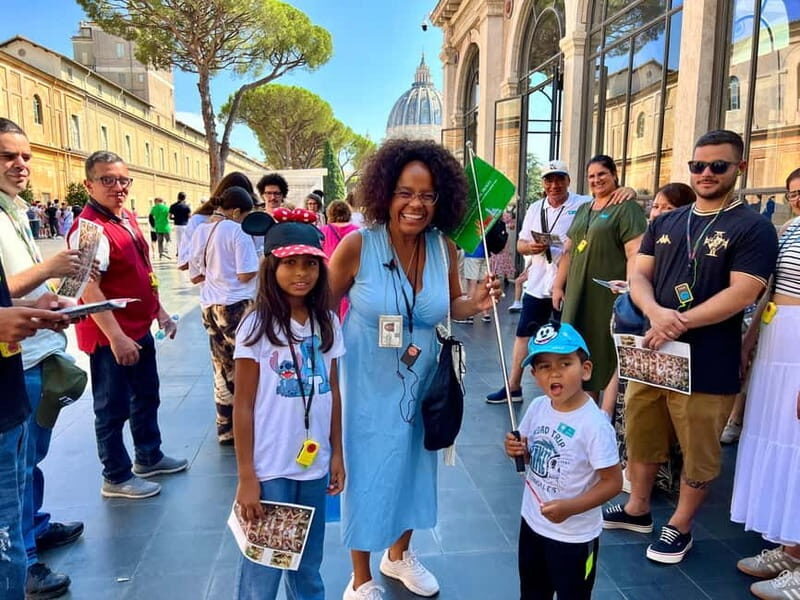
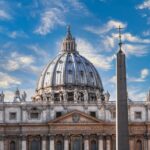
If you choose the option with Basilica entry, the tour continues from the Sistine Chapel directly into St. Peter’s Basilica. The benefit is practical as well as artistic. The Basilica entrance can involve a long wait, and one visitor described saving up to two hours by choosing the version with the direct route. That time saving is not guaranteed, but when the queue is long, the upgrade can be worth the extra cost.
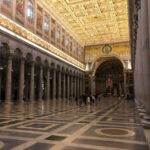
Inside, look for Michelangelo’s Pietà and Bernini’s towering Baldachin. The building itself is immense, and its scale is part of the experience. The Basilica is an active religious site, so access can change around ceremonies. Even with the appropriate option, entry may be restricted without notice, particularly during the Jubilee Year.
The Basilica option is not available on Wednesdays, when the building is closed to the tour, or on certain religious holidays. Tours starting after 2:00 PM do not include Basilica access. Check those conditions before booking if the church is a priority.
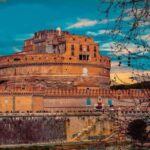
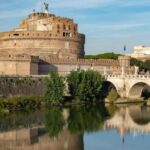
Without the Basilica option, the tour ends at the Sistine Chapel or in St. Peter’s Square, depending on the version booked. You can still enjoy the square and decide what else to see nearby at your own pace. Castel Sant’Angelo is mentioned as one nearby possibility, but transportation is not included in the tour.
More Great Tours Nearby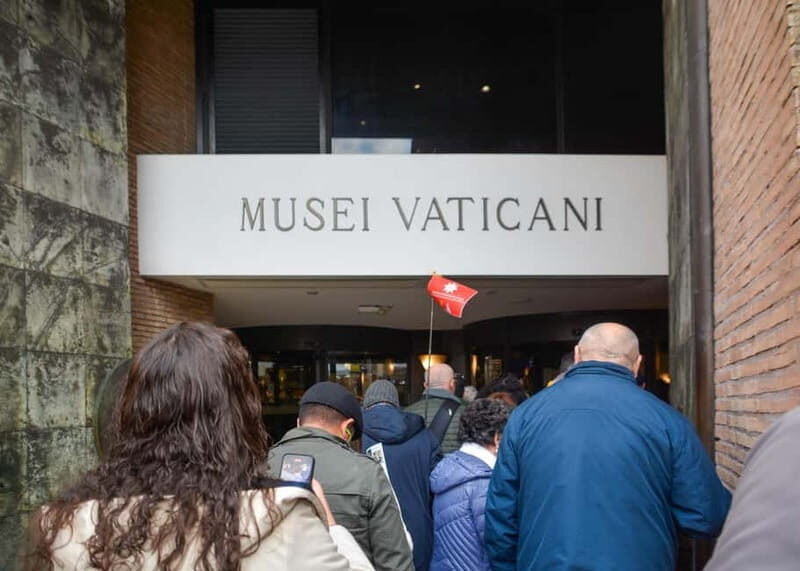
The $73 starting price covers skip-the-ticket-line entry to the Vatican Museums and Sistine Chapel, a licensed guide, headsets, and assistance at the meeting point. It does not include transportation. Entry to St. Peter’s Basilica is optional, so compare the available options rather than assuming it is part of every ticket.
The price makes most sense if you value your time and want an expert to lead you through the main sights. You are paying for more than entry: the route and commentary can reduce the stress of figuring out where to go in a large, crowded complex. If you’re comfortable exploring museums independently and prefer to set your own pace, a guided tour may feel restrictive.
Skip-the-line access means you avoid the standard ticket line, not that the Vatican will be empty. The galleries can still be very busy once you’re inside. One of the tour’s clearest advantages is a smoother start; it cannot create a private viewing of the art.
The tour lasts about 2.5 to 3 hours. That is enough to get a guided overview, but not enough to see every collection in depth. If you want a slower visit, treat the tour as an introduction and leave time to explore more independently, if the day’s rules and opening hours allow.
Wear comfortable shoes. You’ll cover ground through galleries and large public spaces, and the tour is not suitable for wheelchair users. Bring a valid photo ID, since all visitors must show identification for security checks. A passport or ID card is listed as something to bring.
Dress for the Vatican’s rules: shoulders and knees must be covered. Shorts, short skirts, and sleeveless shirts are not allowed. This is an easy detail to overlook in Rome’s summer heat, but it can affect your entry.
Be punctual. Museum admission is strictly timed, and late arrivals will not be admitted or refunded. Confirm the meeting point and arrive with enough time to find the correct address. Because the meeting point varies by option, the number alone is not enough; check your booking details.
The tour offers free cancellation up to 24 hours ahead, and you can reserve now and pay later. Those options give you some flexibility, but they do not change the need to select the right tour version and start time.
Disabled visitors may be eligible for free entry to the Vatican Museums. If that applies, contact the operator when booking so they can help with arrangements. The tour itself is not suitable for wheelchair users, so clarify your needs before making plans.
I’d choose this tour if you want a guided introduction to the Vatican’s major sights, prefer to avoid the standard ticket queue, and would rather hear the story behind the art than work it out room by room. The Basilica add-on is especially useful if seeing the Pietà and Baldachin is part of your plan, and you’re visiting at a time when Basilica access is included.
I’d think twice if you want a quiet, flexible museum day or need a wheelchair-accessible route. The crowds, timed entry, dress rules, and set pace take some planning. For most first-time visitors who want context and a clear route through the highlights, though, this is a sensible way to begin. Check your date, choose the Basilica option if it fits, and arrive ready to look up.
“Great fast, no queue access to the Vatican museum. We had an official Vatican tour guide was very passionate and knowledgeable, which really helped…”
The tour takes about 2.5 to 3 hours.
Skip-the-ticket-line entry to the Vatican Museums and Sistine Chapel, a licensed guide, headsets, and assistance at the meeting point are included.
Only if you select the option that includes Basilica entry. Tours starting after 2:00 PM do not include access.
No. St. Peter’s Basilica is closed to the tour on Wednesdays and on certain religious holidays.
Tours are offered in English, Italian, Spanish, French, German, and Portuguese.
Bring a valid photo ID and wear comfortable shoes.
Your shoulders and knees must be covered. Shorts, short skirts, and sleeveless shirts are not allowed.
Vatican Museums entry is strictly timed. Late arrivals will not be admitted or refunded.
No. The activity is listed as not suitable for wheelchair users. Disabled visitors may be eligible for free Vatican Museums entry, and should contact the operator when booking to discuss arrangements.
You can check availability for your dates here: